
Blocked drains are a common household plumbing issue, often causing slow drainage, unpleasant smells and inconvenience during everyday activities. When a single sink or shower becomes blocked, the problem may be caused by a localised accumulation of hair, soap residue, grease or other debris. However, when several drains throughout the home begin experiencing similar problems, the cause may be more serious. Multiple blocked fixtures can indicate an obstruction or structural issue within the main sewer line, which carries wastewater away from the property. Understanding how household drainage systems connect can help homeowners recognise when a plumbing problem requires professional attention.
Ignoring widespread drainage problems can increase the risk of wastewater backups, property damage and unsanitary conditions. While some minor blockages can be resolved through straightforward maintenance, problems affecting multiple fixtures often require a more detailed investigation. Consulting experienced professionals such as Raeco Plumbing, your local Newcastle plumbers can help homeowners determine whether the issue involves an individual drain or a larger section of the wastewater system. Recognising the warning signs early can help prevent repeated blockages and ensure that the underlying cause is addressed rather than temporarily clearing the symptoms.
Understanding How Household Drainage Systems Connect
A residential drainage system consists of several interconnected pipes that transport wastewater from sinks, showers, toilets, baths and other plumbing fixtures. Individual fixture drains generally connect to larger branch pipes, which eventually lead to the property’s main sewer line. This main pipe carries wastewater towards the public sewer network or an approved onsite wastewater treatment system, depending on the property.
Because these drainage pipes are connected, a blockage in one section can affect multiple fixtures located upstream from the obstruction. For example, a restriction in a bathroom branch pipe may cause problems with both the shower and basin, while a blockage further along the main sewer line can affect several areas of the home. The location of the obstruction determines which fixtures experience symptoms. Understanding this relationship helps explain why widespread drainage problems may indicate a deeper issue rather than several unrelated blockages occurring at the same time.
Why Several Drains Can Become Blocked at the Same Time
When multiple household drains begin emptying slowly, the problem may involve a shared section of pipework. Wastewater normally flows through the drainage system under gravity, but an obstruction can restrict its movement. As water accumulates behind the blockage, fixtures connected to the affected pipe may begin draining slowly or experience wastewater backups.
One common warning sign is water appearing in a lower fixture when another fixture is used. For example, flushing a toilet may cause water to rise in a nearby shower drain if both connect to a blocked section of pipe. Gurgling sounds may also occur as air moves through the restricted drainage system. These symptoms do not automatically confirm a main sewer line blockage, as branch pipe problems and ventilation issues can sometimes produce similar effects. However, when several fixtures are affected, professional investigation is generally more appropriate than repeatedly attempting to clear individual drains.
Common Causes of Main Sewer Line Blockages
Main sewer lines can become blocked for several reasons, including accumulated debris, tree root intrusion and damage to underground pipes. Grease, food waste, wipes and other materials that should not enter the drainage system may gradually collect inside the pipework. Over time, these deposits can reduce the available space for wastewater to flow, increasing the likelihood of recurring blockages.
Tree roots are another common concern, particularly in established residential areas with mature vegetation. Roots naturally seek moisture and may enter drainage pipes through cracks, damaged joints or other openings. Once inside, they can expand and trap additional debris. Older pipes may also experience corrosion, joint displacement or structural deterioration that restricts wastewater flow. In some cases, ground movement can cause sections of pipe to become misaligned or develop low points where waste accumulates. Identifying the actual cause is important because clearing a blockage without addressing damaged pipework may only provide temporary relief.
Warning Signs of a Damaged Underground Sewer Pipe
Underground sewer pipes are difficult to inspect without specialised equipment, which means damage can develop before homeowners become aware of a problem. Recurring blockages are one possible warning sign, particularly when the same fixtures continue experiencing drainage issues despite previous cleaning. Persistent unpleasant smells around drains or outdoor inspection openings may also suggest wastewater is not moving through the system as intended.
Other symptoms can include wastewater overflowing from an external drainage point, unusually damp ground or localised settlement around buried pipes. However, these signs may have causes unrelated to sewer damage and should not be treated as conclusive evidence. A damaged sewer line may also produce few visible symptoms until a significant blockage occurs. If sewage begins backing up into the home, affected fixtures should not be used until the problem has been assessed. Wastewater can contain harmful microorganisms, making prompt professional attention important for protecting household hygiene and reducing potential property damage.
How CCTV Drain Inspections Identify Hidden Problems
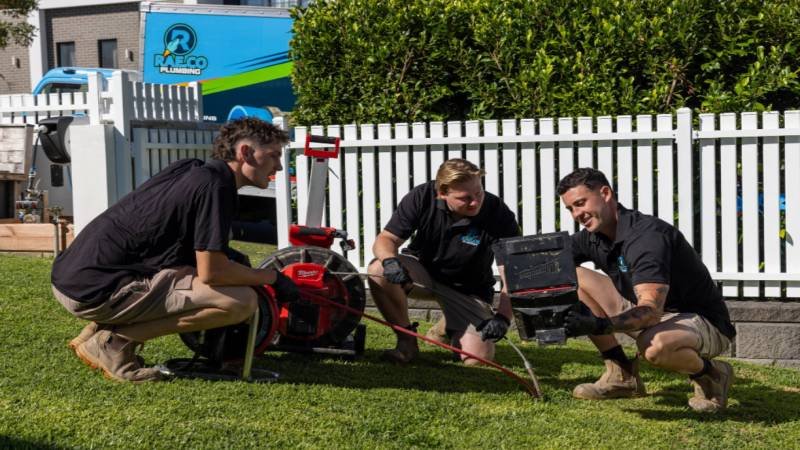
When repeated blockages suggest an underground drainage problem, a CCTV drain inspection can help identify what is happening inside the pipework. This process involves inserting a specialised waterproof camera into the drainage system through a suitable access point. The camera transmits images that allow the plumber to examine the internal condition of accessible sections of pipe.
CCTV inspections can reveal tree roots, accumulated debris, cracked pipes, displaced joints and other visible defects that may be contributing to drainage problems. The equipment can also help determine the approximate location of an obstruction, reducing the need for unnecessary excavation. However, heavy blockages or standing wastewater may limit visibility, meaning the drain may need to be cleared before a complete inspection is possible. The findings help plumbers recommend an appropriate solution based on the condition of the pipe rather than relying on assumptions. This approach is particularly useful when homeowners have experienced repeated blockages or previous clearing attempts have failed to provide lasting results.
When Drain Clearing Is Enough and When Repairs Are Necessary
Some main sewer line blockages can be resolved through professional drain clearing. High-pressure water jetting is commonly used to remove accumulated grease, debris and certain root intrusions from suitable drainage pipes. Mechanical drain cleaning equipment may also be appropriate in particular situations. The chosen method depends on the nature of the blockage, pipe material and condition of the drainage system.
However, clearing the obstruction may not resolve the underlying issue if the pipe is cracked, collapsed or structurally damaged. In these cases, further repairs may be required to restore reliable wastewater flow. Depending on the extent and location of the damage, options may include targeted pipe replacement, excavation or trenchless pipe relining. Pipe relining can sometimes restore a damaged section without extensive excavation, although not every pipe is suitable for this method. A professional assessment helps determine whether cleaning alone is sufficient or whether repairing the affected pipe offers a more appropriate long-term solution.
How Homeowners Can Reduce the Risk of Recurring Blockages
Preventing drainage problems begins with understanding what should and should not enter household pipes. Cooking oils, grease, food scraps, wipes, sanitary products and other unsuitable materials can contribute to obstructions when disposed of through sinks or toilets. Even products labelled as flushable may not break down quickly enough to pass through the drainage system without causing problems.
Homeowners can also reduce the risk of localised blockages by using appropriate drain strainers and removing accumulated hair or debris from accessible fixtures. Properties with mature trees near underground drainage lines may benefit from professional assessment if root intrusion has previously been identified. Regular maintenance can be particularly valuable for older homes or properties with a history of recurring blockages. However, preventative habits cannot correct existing structural damage. If several drains continue to block despite careful use, the underlying pipework should be investigated rather than relying on repeated chemical drain cleaners or temporary clearing methods.
Conclusion
Multiple blocked drains can indicate a problem within a shared drainage pipe or the property’s main sewer line. While an isolated blockage may be caused by debris near a single fixture, widespread symptoms such as slow drainage, gurgling sounds and wastewater backups can suggest a restriction further along the system. Common causes include accumulated waste, tree root intrusion, damaged pipe joints and deteriorating underground drainage pipes.
Understanding these warning signs allows homeowners to respond before drainage problems become more disruptive. Professional inspections, including CCTV drain assessments when appropriate, can help identify the source of recurring blockages and determine whether cleaning or repairs are necessary. By following sensible drainage habits and addressing persistent problems early, homeowners can reduce the likelihood of wastewater backups, protect their properties and maintain a more reliable household drainage system. See more.
