
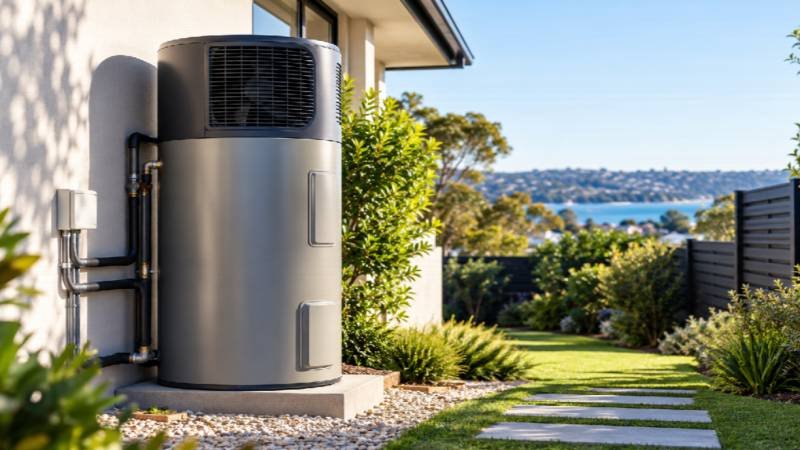
Heat pump hot water systems have become an increasingly popular option for Australian homeowners looking to improve energy efficiency and reduce household electricity consumption. Unlike conventional electric resistance water heaters, heat pumps extract thermal energy from the surrounding air and transfer it into water stored in a tank. This process allows them to deliver hot water using less electricity under suitable operating conditions. However, the performance of a heat pump depends on more than the technology itself. Where the system is installed can influence its efficiency, reliability, operating noise and long-term maintenance requirements.
Choosing the right installation location is therefore an important part of planning a heat pump hot water upgrade. Homeowners comparing heat pump hot water systems for Sydney homes should consider factors such as available outdoor space, airflow, surrounding temperatures, drainage and proximity to neighbouring properties. A suitable location helps the equipment operate as intended while reducing the likelihood of unnecessary installation complications. Understanding how placement affects performance can help homeowners make informed decisions before purchasing a system or arranging professional installation.
How Heat Pump Hot Water Systems Use Surrounding Air
Heat pump hot water systems operate by collecting heat from the surrounding air and transferring it into the water supply. A fan draws air across an evaporator, where refrigerant absorbs thermal energy. The refrigerant then passes through a compressor, increasing its temperature before transferring heat to the water through a heat exchanger. This process allows the system to produce hot water without relying entirely on direct electrical resistance heating.
Because heat pumps depend on surrounding air as their primary heat source, installation conditions can affect their performance. A system positioned where airflow is restricted may struggle to access sufficient fresh air, potentially reducing efficiency. Similarly, an unsuitable enclosure may allow cooled discharge air to circulate back towards the unit. Proper placement helps maintain the airflow conditions required for effective heat transfer. Although individual models have different operating requirements, adequate ventilation is a fundamental consideration for most air-source heat pump hot water systems.
Why Adequate Airflow and Ventilation Are Essential
Airflow is one of the most important factors when selecting a heat pump installation location. During operation, the system draws in surrounding air, extracts heat and releases cooler air. This process requires sufficient space around the equipment to prevent airflow restrictions. Installing a unit too close to walls, fences or other structures may interfere with the movement of air through the system.
Manufacturers specify minimum clearance distances that should be followed during installation. These requirements vary depending on the model, airflow direction and equipment configuration. For example, a heat pump positioned inside a small enclosed area may experience reduced performance if the space cannot provide enough fresh air. Similarly, placing objects directly in front of the air outlet can interfere with normal operation. A qualified installer can assess the proposed location and determine whether it meets the manufacturer’s ventilation requirements. Providing suitable airflow from the beginning can help maintain efficiency and reduce avoidable operational problems.
How Outdoor Temperatures Influence Heat Pump Performance
Ambient air temperature affects how efficiently an air-source heat pump can extract heat. When outdoor temperatures are relatively mild, the system generally has more accessible thermal energy available for water heating. During colder conditions, the heat pump may need to work harder to achieve the required water temperature, which can increase electricity consumption or extend heating times.
Sydney’s climate is generally suitable for many modern heat pump systems, but seasonal temperature changes still need to be considered. Some models are designed to operate effectively across a broad temperature range, while others may use supplementary heating or defrost functions under particular conditions. Installation location can also influence the temperatures experienced by the equipment. However, placing a heat pump in direct sunlight does not automatically guarantee better performance, and excessive heat exposure may be undesirable for some components. Homeowners should prioritise manufacturer-approved installation conditions rather than assuming that the warmest available location is always the most efficient.
Managing Noise Around Living Areas and Neighbouring Properties
Heat pump hot water systems contain mechanical components, including a compressor and fan, that produce noise during operation. Although many modern systems are designed to operate relatively quietly, sound levels vary between models and operating conditions. Placement becomes particularly important when equipment is installed near bedrooms, outdoor entertaining areas or neighbouring homes.
A unit positioned close to a bedroom window or a boundary fence may create more noticeable noise than one installed in a less sensitive location. Hard surfaces and enclosed spaces can also influence how sound travels or reflects around the property. Homeowners should review the manufacturer’s published sound specifications and consider local noise requirements before choosing an installation position. Where practical, selecting a location away from frequently occupied areas can improve comfort. Appropriate mounting and installation practices may also help limit vibration. Professional advice is particularly valuable for properties with limited outdoor space or neighbouring buildings positioned close together.
Space, Clearance and Accessibility Requirements
Heat pump hot water systems require sufficient physical space for the equipment itself, along with the clearances needed for airflow, connections and servicing. All-in-one systems combine the heat pump and storage tank within a single unit, while split systems position the heat pump components separately from the storage tank. These configurations can create different installation requirements, making property layout an important consideration.
A suitable installation area should allow technicians to access essential components for inspection, maintenance and potential repairs. Placing equipment behind permanent structures or in extremely confined spaces may make future servicing difficult and increase labour requirements. The supporting surface must also be appropriate for the equipment’s weight, particularly when a storage tank is filled with water. Homeowners with smaller courtyards, narrow side passages or limited outdoor access may need to consider alternative configurations. Reviewing dimensions and manufacturer clearances before purchasing a system can help prevent installation difficulties and unnecessary relocation costs.
Drainage and Electrical Connections Affect Installation Choices
Heat pump systems can produce condensate as moisture from the surrounding air collects during the heat extraction process. This water needs to be managed through a suitable drainage arrangement. If condensate is allowed to accumulate around the equipment, it may create slippery surfaces, contribute to localised moisture problems or affect nearby building materials.
Electrical supply requirements are another important placement consideration. Heat pump hot water systems need an appropriate power connection, and some installations may require electrical modifications depending on the existing infrastructure and selected model. Locating the system a considerable distance from suitable services can increase the amount of work and materials required. Plumbing connections, pressure relief discharge arrangements and other installation requirements must also be considered. A professional site assessment can identify suitable drainage and connection options while ensuring the installation complies with applicable standards. Planning these details early can help avoid unexpected expenses and support safe operation.
Why Professional Site Assessment Matters
Every property has different characteristics that can influence heat pump installation. Factors such as available outdoor space, existing hot water connections, building layout, access restrictions and surrounding structures all affect where the equipment can be positioned. A location that works well for one household may be unsuitable for another, even when both properties use the same heat pump model.
A professional site assessment helps determine whether the proposed location meets the manufacturer’s requirements and supports the household’s hot water needs. An installer can review ventilation, clearances, drainage, electrical supply and access for future servicing. They can also identify potential noise concerns and explain whether modifications are required before installation. This assessment is especially useful when replacing a conventional storage system with a heat pump, as the existing installation area may not provide the necessary airflow or space. Choosing a suitable location before purchasing equipment can reduce the risk of compatibility problems and additional installation work.
Conclusion
Heat pump placement plays an important role in the efficiency, performance and practicality of a household hot water system. Adequate airflow allows the equipment to extract heat effectively, while suitable clearances, drainage and electrical connections support reliable operation. Considering ambient temperatures, operating noise and maintenance accessibility also helps ensure that the installation works well within the property’s layout.
For Sydney homeowners considering a heat pump hot water upgrade, selecting the right system should go hand in hand with choosing an appropriate installation location. Following manufacturer requirements and obtaining professional advice can help avoid preventable performance issues and unexpected installation costs. With careful planning, a properly positioned heat pump can provide an energy-efficient hot water solution that suits the household’s needs while supporting reliable operation over time. See more.