
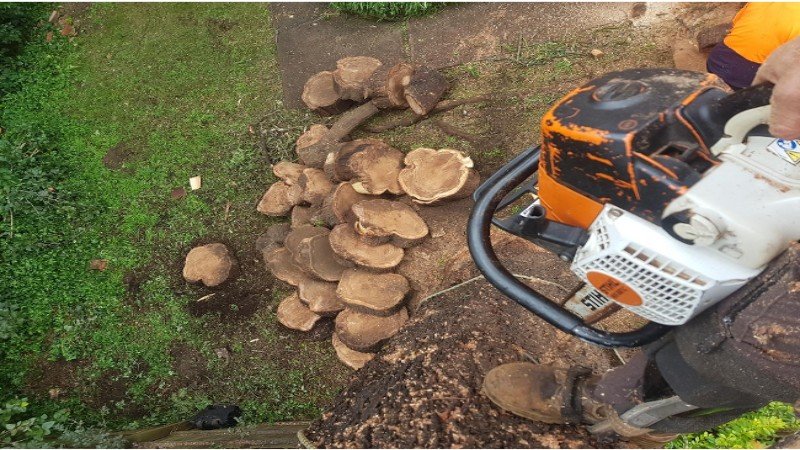
Trees contribute significantly to the appearance, comfort and environmental value of residential properties across Sydney. They provide shade, support local wildlife, improve privacy and create attractive outdoor spaces. However, there are circumstances where removing a tree becomes necessary due to structural instability, disease, storm damage or conflicts with surrounding buildings and infrastructure. While tree removal may seem straightforward, the process involves several important considerations, including safety, council regulations, property access and the condition of the tree. Understanding these factors can help homeowners make informed decisions before arranging removal work.
Removing a tree without proper planning can create unnecessary risks and potentially lead to legal or financial consequences. Different Sydney councils have specific requirements regarding protected trees, removal approvals and acceptable reasons for removal. Homeowners considering professional tree removal across Sydney should understand the potential risks, local council requirements and practical steps involved before arranging the work. A professional assessment can help determine whether removal is necessary or whether alternatives such as pruning, structural management or ongoing monitoring may be more appropriate.
Understanding When Tree Removal May Be Necessary
Not every damaged or ageing tree needs to be removed. Many trees can remain healthy and structurally sound for decades with appropriate maintenance. However, certain conditions may make removal necessary, particularly when a tree presents an unacceptable risk to people, buildings or surrounding infrastructure. Severe structural damage, extensive decay, significant root instability and irreversible decline are among the circumstances that may justify removal.
Trees affected by storms, pests or disease should be assessed before any decision is made. A tree with dead branches may only require pruning, while one with extensive trunk decay or major structural defects may present a more serious concern. Homeowners should also consider whether the tree interferes with essential construction work or has caused damage that cannot reasonably be managed through other methods. A qualified arborist can evaluate the tree’s condition and recommend suitable options based on its health, structural stability and surrounding environment.
Checking Local Council Rules and Tree Protection Requirements
Tree removal in Sydney is regulated through planning controls that vary between local government areas. Depending on the property’s location, tree species, dimensions and applicable planning rules, homeowners may need council approval before removing a tree. Some trees are protected because of their environmental, heritage or landscape significance, while others may be subject to exemptions under specific circumstances.
Before arranging removal, homeowners should check the relevant council’s tree management policies and any applicable development controls. Properties located within heritage conservation areas or subject to additional environmental protections may have further requirements. In some situations, an arborist report or formal application may be necessary to support a removal request. Unauthorised removal of protected trees can result in substantial penalties, making it important to confirm the rules before work begins. Homeowners should also avoid assuming that a tree can be removed simply because it is located entirely within their property boundaries.
Assessing the Condition and Safety of the Tree
A professional tree assessment helps determine whether a tree presents a genuine safety concern. Arborists examine visible characteristics such as trunk condition, branch structure, root stability, canopy health and signs of decay. They may also consider the tree’s species, age, previous pruning history and exposure to environmental stresses.
Certain warning signs can indicate structural problems, including large cracks in the trunk, significant deadwood, fungal growth associated with decay or recent movement around the root plate. However, these symptoms do not always mean a tree is immediately dangerous. Similarly, a leaning tree may be structurally stable if it has developed that way naturally over time. The level of risk depends on several factors, including the likelihood of failure and what could be affected if a branch or tree were to fall. Professional assessment helps distinguish manageable concerns from conditions that may require removal.
How Tree Size and Location Affect the Removal Process
The size and location of a tree influence how removal work must be planned and completed. Small trees growing in open areas may be relatively straightforward to remove, while large mature trees positioned close to homes, fences, garages or neighbouring properties require more complex procedures. Limited access can also affect the equipment and techniques available to the tree removal team.
In established Sydney neighbourhoods, trees often grow close to buildings, overhead services and landscaped areas. These conditions may prevent a tree from being felled in one piece. Instead, arborists may need to dismantle it progressively, removing individual branches and trunk sections in a controlled manner. Ropes, rigging systems, elevated work platforms or cranes may be used where appropriate. The removal method depends on the tree’s structure, surrounding obstacles and site conditions. Careful planning helps minimise the risk of damage to nearby property and ensures that the work can be completed safely.
Why Professional Equipment and Safety Procedures Matter
Tree removal involves significant physical hazards, particularly when working at height or handling heavy branches and trunk sections. Falling timber, unstable limbs, chainsaw operation and unexpected movement can create serious risks for workers and anyone nearby. These hazards become more complicated when the tree is damaged, leaning or located in a confined residential area.
Professional tree removal teams use specialised equipment and established work procedures to manage these risks. Depending on the project, equipment may include climbing systems, chainsaws, rigging devices, wood chippers and elevated access machinery. Workers must also consider exclusion zones, ground conditions and the safe handling of cut materials. Trees located near electrical infrastructure require additional precautions, and work within restricted distances from power lines must be undertaken by appropriately authorised personnel. Homeowners should avoid attempting to remove large or unstable trees themselves, as incorrect cutting techniques can cause unpredictable movement and serious injury.
Preparing Your Property Before Tree Removal
Preparing the property before tree removal can help the work proceed more efficiently and reduce the likelihood of unnecessary disruption. Homeowners should discuss access requirements with the contractor and identify any obstacles that may affect equipment movement. Vehicles, outdoor furniture, garden decorations and other movable items may need to be relocated from the work area.
It is also important to consider nearby structures, underground services and landscaping features that require protection. Contractors may need access through driveways, side passages or neighbouring properties, depending on the tree’s location. If access through another property is necessary, permission should be arranged beforehand. Homeowners should also confirm whether the quoted service includes removing branches, processing timber and cleaning the work area. Clear communication about the scope of work helps establish expectations and reduces the chance of unexpected costs or delays.
What Happens After the Tree Has Been Removed?
Once the main tree has been removed, the remaining work depends on the services included in the removal agreement. Branches may be processed through a wood chipper, while larger trunk sections can be cut into manageable pieces for transport or disposal. Some homeowners choose to retain suitable timber for firewood or landscaping purposes, although this should be discussed with the contractor before work begins.
Tree removal also leaves a stump and root system that may require further attention. Stump grinding is commonly used to reduce the remaining stump below ground level, making the area easier to landscape or maintain. However, stump grinding does not necessarily remove the entire root system, and remaining roots may gradually decompose over time. Homeowners planning construction, paving or new planting may need additional site preparation. It is also worth considering replacement planting where appropriate, particularly when council approval includes conditions relating to new trees. Planning the next use of the area helps ensure the removal contributes positively to the property’s long-term landscape.
Conclusion
Removing a tree from a residential property in Sydney requires more consideration than simply arranging for it to be cut down. Homeowners need to understand why removal may be necessary, whether council approval is required and how the tree’s size, condition and location affect the work involved. Professional assessment is particularly important when trees show signs of structural damage or grow close to buildings and essential infrastructure.
By checking local regulations, obtaining appropriate advice and preparing the property beforehand, homeowners can make informed decisions about tree removal. It is equally important to consider alternatives when a tree can be safely retained through pruning or other management measures. When removal is necessary, engaging qualified professionals and understanding the complete scope of work can help protect surrounding property, manage safety risks and support responsible long-term landscape management. See more.
