
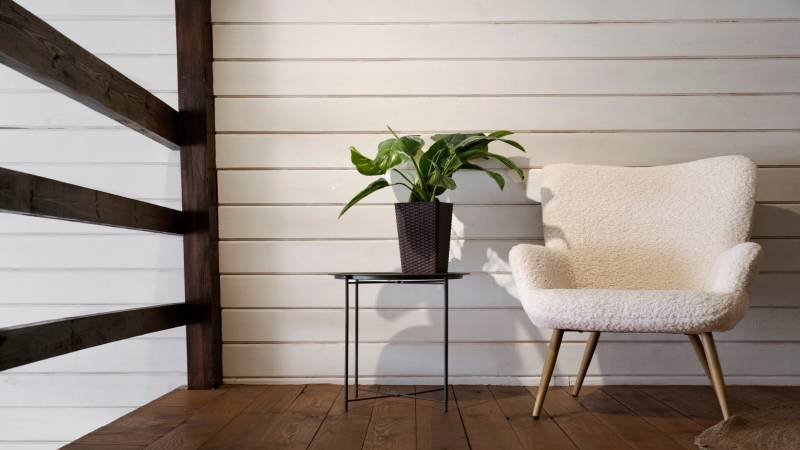
Choosing the right wall finish is one of the most important decisions when designing or renovating an interior. Wall surfaces influence the overall appearance of a room, contribute to its functionality, and help create the atmosphere homeowners or businesses want to achieve. While traditional finishes such as painted plaster, wallpaper, tiles, and rendered walls remain popular, timber wall panels have become an increasingly sought after option for modern interiors.
Architects, interior designers, and homeowners are embracing timber because it combines timeless natural beauty with durability and versatility. Alongside decorative wall panels, wood wall panels, and interior wall cladding, timber solutions provide an elegant way to transform ordinary spaces into stylish and welcoming environments.
If you are deciding between timber wall panels and more conventional wall finishes, understanding the advantages of each option will help you make the right choice for your project.
The Evolution of Interior Wall Finishes
For decades, painted plaster walls have been the standard choice for residential and commercial interiors. They offer a simple, clean appearance and can be refreshed easily with a new coat of paint.
Wallpaper has also remained popular for adding colour, texture, and patterns, while ceramic tiles are commonly used in kitchens, bathrooms, and laundries because of their water resistance.
However, modern design trends have shifted towards natural materials that create warmth and character. Timber has become one of the most desirable finishes because it introduces texture, depth, and a sense of authenticity that painted walls often cannot achieve.
As interior design increasingly focuses on comfort, wellbeing, and sustainability, timber continues to stand out as a premium choice.
The Natural Beauty of Timber
One of the biggest advantages of timber wall panels is their unique appearance.
Every timber board features its own grain, texture, and colour variation, ensuring that no two installations look exactly the same. This natural variation adds personality and visual interest that manufactured finishes often struggle to replicate.
Whether you prefer light oak, rich walnut, warm spotted gum, or contemporary black finishes, timber complements a wide range of interior styles.
From minimalist homes to luxury apartments, coastal residences, offices, restaurants, and hotels, timber creates a welcoming atmosphere that remains timeless rather than following short lived design trends.
Creating Depth and Texture
Traditional painted walls provide a smooth, flat surface that works well in many settings, but they often lack visual dimension.
Decorative wall panels introduce texture and architectural interest by adding depth to otherwise plain surfaces.
Timber slats, grooves, and patterned profiles create subtle shadow lines that change throughout the day as natural light moves across the room.
This layered appearance adds sophistication while making spaces feel more inviting and carefully designed.
Even a single feature wall finished with timber can become the focal point of an entire room.
Versatility Across Different Interior Styles
One reason wood wall panels have become so popular is their remarkable flexibility.
They suit a wide variety of interior styles including contemporary, Scandinavian, coastal, industrial, Hamptons, rustic, and luxury modern homes.
Light coloured timber creates bright, airy interiors, while darker species add warmth and elegance.
Timber also pairs beautifully with other natural materials such as stone, concrete, glass, marble, and metal, allowing designers to create balanced interiors with lasting appeal.
Traditional painted walls can also adapt to different styles through colour selection, but timber offers a richer visual experience that continues to age beautifully.
Durability and Long Term Performance
When comparing wall finishes, durability is an important consideration.
Painted walls are susceptible to scratches, dents, stains, and scuff marks, particularly in busy family homes or commercial environments. Frequent repainting may be necessary to maintain a fresh appearance.
Wallpaper can peel, tear, or fade over time, especially in areas exposed to moisture or direct sunlight.
Timber wall panels provide a more robust solution. High quality finishes protect the timber from everyday wear while allowing it to maintain its appearance for many years.
Minor marks can often be repaired without replacing the entire installation, making timber an excellent long term investment.
Easy Maintenance
Maintenance requirements vary considerably between different wall finishes.
Painted walls usually require regular cleaning and occasional repainting to remove marks and restore their appearance.
Wallpaper may require specialist cleaning products, while damaged sections often need complete replacement.
Timber requires relatively little maintenance. Routine dusting and occasional wiping with a suitable cleaner are generally sufficient to keep the surface looking its best.
Modern protective coatings also help resist fading, moisture, and everyday wear, reducing ongoing maintenance requirements.
Improved Acoustic Comfort
Modern homes frequently feature open plan layouts with hard flooring, large windows, and high ceilings.
While these design features create spacious interiors, they can also increase echo and background noise.
Interior wall cladding made from timber can help soften sound reflections and improve acoustic comfort throughout the home.
Some timber panel systems also include acoustic backing materials that further reduce unwanted noise, making them particularly suitable for living areas, home theatres, offices, and meeting rooms.
Traditional painted plaster offers little acoustic benefit by comparison.
Sustainability Matters
Environmental responsibility has become an important factor for many homeowners and designers.
Responsibly sourced timber is a renewable building material that supports more sustainable construction practices.
Many manufacturers produce decorative wall panels using certified timber from responsibly managed forests, helping reduce environmental impact while maintaining premium quality.
In contrast, some synthetic wall coverings rely on petroleum based materials or manufacturing processes that have a greater environmental footprint.
Choosing sustainably sourced timber allows homeowners to combine attractive design with environmentally conscious decision making.
Adding Value to Your Property
Interior finishes play a significant role in how buyers and visitors perceive a property.
Timber is often associated with premium quality, craftsmanship, and timeless design.
Installing wood wall panels in key areas such as living rooms, bedrooms, hallways, dining areas, or home offices can enhance the overall appeal of a property and create memorable interiors.
Feature walls finished in timber also photograph exceptionally well, making homes more attractive in online property listings.
While painted walls remain practical, timber often provides a stronger impression of quality and attention to detail.
Suitable for Residential and Commercial Spaces
Timber is no longer limited to residential homes.
Commercial designers increasingly specify timber wall panels for offices, hotels, retail stores, restaurants, healthcare facilities, and educational buildings.
The combination of visual warmth, durability, and acoustic performance makes timber suitable for high traffic environments where appearance and functionality are equally important.
Interior wall cladding can also be customised to suit different commercial branding requirements through various timber species, finishes, profiles, and installation patterns.
Design Flexibility
One of the greatest advantages of decorative wall panels is the freedom they offer designers.
Panels can be installed vertically, horizontally, diagonally, or in custom geometric layouts to create unique architectural features.
Different timber species, stains, and finishes allow homeowners to achieve either bold statement walls or subtle textured backgrounds.
Lighting can also be integrated into timber installations, highlighting the natural grain while creating warm ambient illumination throughout the room.
Traditional painted walls offer unlimited colour choices, but they rarely achieve the same level of visual depth and architectural character.
Installation Considerations
Traditional painted walls generally require plaster preparation, sanding, priming, and multiple coats of paint before completion.
Wallpaper installation also demands careful surface preparation and precise application.
Many modern timber wall panel systems are designed for efficient installation, reducing project time while delivering a high quality finish.
Professional installation ensures accurate alignment and seamless joins, particularly for feature walls or large commercial projects.
Although timber may involve a higher initial investment, the long term durability and reduced maintenance requirements often provide greater overall value.
Which option is best?
The answer depends on the goals of your project.
If you are seeking a simple, low cost solution for a spare room or temporary renovation, painted walls may be sufficient.
However, if you want to create interiors that feel warm, sophisticated, and visually distinctive, timber wall panels offer clear advantages.
They provide natural beauty, excellent durability, improved acoustic comfort, design flexibility, and lasting appeal that many traditional finishes cannot match.
Decorative wall panels also allow homeowners and designers to introduce texture and architectural interest without overwhelming the overall design.
Bringing Modern Interiors to Life
Modern interiors are increasingly defined by natural materials that create inviting, comfortable spaces while maintaining clean contemporary aesthetics.
Timber wall panels have emerged as one of the most effective ways to achieve this balance. Their ability to add warmth, texture, and timeless character makes them a valuable addition to both residential and commercial interiors.
Combined with decorative wall panels, wood wall panels, and interior wall cladding, timber provides endless design possibilities for creating feature walls, enhancing acoustics, and elevating everyday living spaces.
Whether you are renovating a family home, designing a luxury apartment, fitting out a commercial office, or creating a welcoming hospitality venue, timber offers a premium wall finish that combines beauty, functionality, and long term performance. As modern Australian interiors continue to embrace natural materials, timber remains one of the most versatile and enduring choices available. See more: decoradhouse.org.