
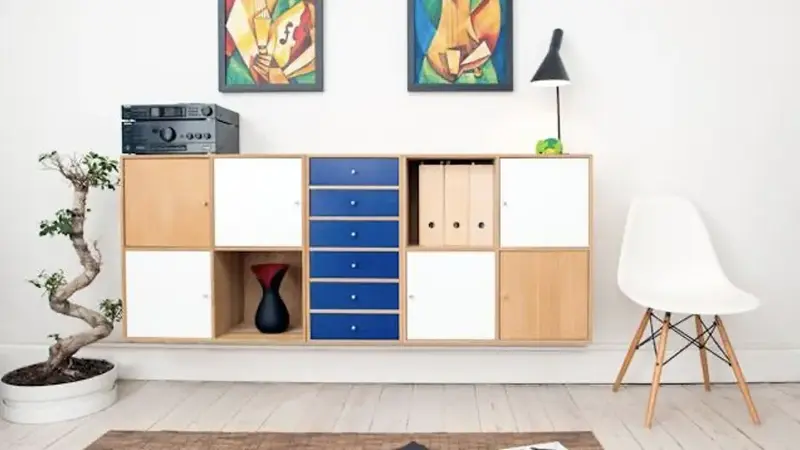
Alt-Tag: Living room with functional storage cabinet, modern decor, and simple furniture demonstrating decorating for real life with practical design choices.
Decorating for real life starts with honest needs. Many homes look good in photos but fail during daily use. Families spill drinks, kids drop toys, and pets stretch out on every surface. A home should support these moments, not fight them. This guide shares clear steps and ideas to transform your home so you can create rooms that look warm and work well, even on busy days.
Decorating for Real Life: Create Spaces That Support Your Routine
Homes feel better when they match actual habits. Showrooms present perfect layouts, but real homes hold busy mornings, late dinners, and quiet breaks. When your space fits your rhythm, you move with ease, stress less, and enjoy daily tasks. This approach fits small apartments, large homes, and shared spaces.
Start With Function Before Style
Style matters, but function shapes your comfort. Think about what you should prioritize as you set up each room. Place seating where conversations happen. Choose rugs that hold up to regular traffic. Pick materials that clean well. These choices support decorating for real life and reduce frustration. Use warm neutrals, soft textures, and practical storage to support a calm flow.
Plan Furniture for Movement, Not Photo Angles
Many showroom layouts look impressive, yet they restrict simple movement. Wide walkways help every home feel open, even small ones. Angle chairs so people can talk without raising their voices. Pick coffee tables with rounded edges for safer paths. Good spacing leads to natural comfort and keeps the room useful during busy hours.
Choose Materials That Stand Up to Real Use
Life includes spills, crumbs, and pet hair. Durable materials protect both style and sanity. Performance fabrics, washable covers, and sturdy tables help keep rooms clean with less effort. High-quality synthetic rugs often handle daily wear better than delicate fibers. This approach supports homes with kids, roommates, or pets.
Storage Should Support Everyday Tasks
Practical storage supports real routines. Use baskets for quick cleanup. Add hooks for coats and bags. Place shoe racks by the door to reduce mess. When storage sits close to where items land, you maintain order through simple habits. Your home works with you rather than forcing constant rearranging.
Mix Beauty With Comfort for Sustainable Style
A comfortable home holds attention longer than a perfect photo setup. Choose pillows with soft inserts. Pick seating that supports your back. Select lighting that adjusts from bright to soft. Layer natural textures for warmth without clutter. Rooms stay inviting when you feel relaxed inside them.
Create Zones for Work, Rest, and Play
Even small spaces benefit from defined zones. A reading corner with a lamp guides quiet time. A desk near a window supports focus. A soft rug defines a play area. These simple cues help your home stay adaptable and grounded in real activity. Flexible zones also reduce visual stress.
Build Strong Foundations as You Set Up Your Space
A helpful step during moving or refreshing your home is to arrange and organize your new space as you unpack. This process keeps your rooms practical from the start. You can use tools that guide floor plans, color choices, and storage setups. These guides support clear decisions while you shape rooms that match your routines and support decorating for real life. You build steady habits, avoid clutter, and shape rooms that last through busy weeks. This steady method fits homes with pets, kids, shared schedules, or active routines.
Lighting Shapes Daily Comfort
Good lighting changes how you feel in each room. Use warm bulbs for cozy evenings and brighter bulbs for tasks. Add table lamps for softness. Use wall lights to save space. Natural light lifts mood and makes small spaces feel larger. With simple lighting choices, rooms stay flexible throughout the day.
Color Should Support Mood and Daily Patterns
Colors guide comfort. Soft tones calm busy rooms. Deep tones anchor large spaces. Warm neutrals help rooms feel steady and clean. Use bold colors in small accents, such as pillows or art. These touches add style without overwhelming daily life. You create a look that adapts to new seasons and shifting needs.
Textures Add Character Without Overcrowding
Texture brings interest to simple areas. Use woven throws, structured pillows, or wooden accents to add depth. Keep surfaces clear to avoid visual clutter. A few strong pieces deliver more impact than many small items. Texture warms rooms without creating extra upkeep.
Decor That Supports Real Habits Feels Better Long Term
Homes evolve as routines shift. Pick flexible pieces that grow with you. A bench can become shoe storage or additional seating. A basket can hold blankets or toys. Light curtains can soften a room or increase privacy. These choices stay useful even as your life changes. Research on enhancing user experience in interior architecture through biophilic design shows how thoughtful choices improve comfort over time, according to the case Study of Urban Residential Spaces. This aligns with decorating for real life, where practical decor creates long-term value.
Use Curves and Soft Lines for Safer, Warmer Layouts
Curved furniture helps small rooms feel open. Soft lines reduce bumps and help kids move freely. Round tables support group seating without sharp corners. Arched lamps soften edges in modern spaces. These shapes add comfort without losing style.
Balance Decor With Empty Space
Empty space gives the eye a place to rest. It reduces stress and supports calm routines. Remove items that serve no purpose. Keep only pieces that help you focus, relax, or enjoy your home. This simple rule guides real-life decorating with clarity.
Why Decorating for Real Life Creates Stronger Homes
Homes hold daily stories. A hardworking kitchen makes morning rushes easier. A supportive living room gathers friends without fuss. A restful bedroom protects sleep. When your space supports actual habits, you feel grounded and ready for the day. Simple renovation tips can guide small updates that improve comfort without pressure. Decorating for real life helps you build rooms that stay useful and welcoming. Each choice brings function, comfort, and personality without excess.
Final Thoughts
Decorating for real life turns your home into a true support system. Daily comfort grows when you choose durable materials, clear storage, and flexible layouts. Each step helps your rooms stay calm during busy weeks and warm during quiet nights. With this steady approach, you design a space that fits your needs today and grows with you tomorrow. Decorating for real life builds a home that feels lived in, loved, and ready for anything.