
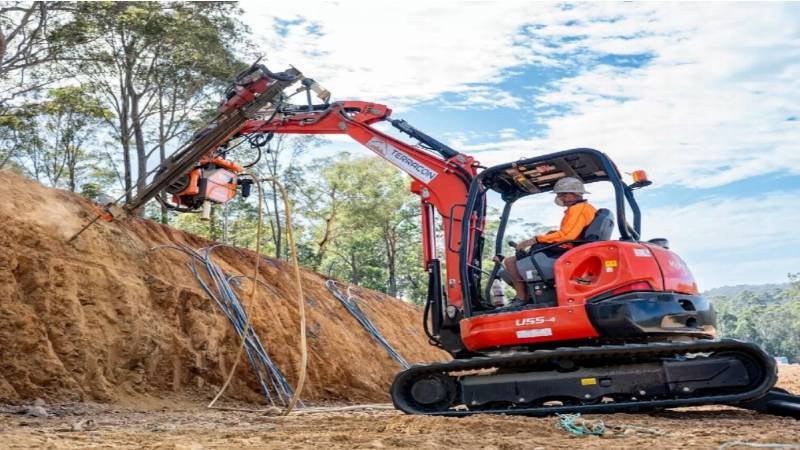
A strong foundation starts with understanding what lies beneath the construction site. Soil type, rock depth, groundwater and the strength of different ground layers can all influence how structural loads should be transferred into the ground. Contractors such as Elite Piling work with piling methods suited to different site conditions, making ground investigation an important part of planning foundation works.
Choosing a piling method based only on the size or type of building can overlook important conditions below the surface. Two similar developments located only a short distance apart may require different foundation solutions because their underlying ground conditions are not the same.
Different Soil Types Behave in Different Ways
Ground is rarely uniform. A site may contain layers of clay, sand, fill, gravel, weathered material or rock, each with different engineering characteristics. Some soils can provide suitable bearing capacity relatively close to the surface. Others may compress, move or provide insufficient support for the proposed structure. In these situations, piles can transfer loads through weaker material to stronger ground at greater depth.
Clay soils, for example, can behave differently depending on moisture conditions. Loose or poorly compacted fill may also create challenges because its strength and consistency can vary across the site. The depth of each layer matters as much as the material itself. A strong layer located several metres below weaker ground may influence the required pile length and installation method. Understanding these conditions allows foundation designers and piling contractors to develop a solution based on the actual site rather than assumptions about what may be underground.
Geotechnical Investigations Provide Essential Information
A geotechnical investigation helps establish the characteristics of the ground before foundation construction begins. Depending on the project, investigations may involve boreholes, sampling, testing and other methods used to understand subsurface conditions. The resulting report can provide information about soil layers, rock, groundwater and engineering properties relevant to foundation design. This information helps engineers determine how loads from the proposed structure can be supported safely. It can also identify potential challenges before piling equipment arrives on site.
Unexpected rock, deep fill or groundwater can affect construction time and methodology if these conditions have not been properly considered during planning. A geotechnical report does not independently determine every aspect of the piling process. Structural requirements, site access and construction methodology also need to be considered. However, it provides important information that supports informed foundation design.
Ground Conditions Influence the Piling Method
There are several piling methods available, and each has characteristics that may make it more appropriate for particular projects. Bored piles generally involve drilling a hole before installing reinforcement and concrete. They can be used across various ground conditions, with pile diameter and depth determined according to engineering requirements. Continuous flight auger, or CFA, piling uses an auger to drill into the ground before concrete is pumped as the auger is withdrawn. This method can provide advantages on suitable sites where vibration and ground disturbance need to be considered.
Screw piles use steel shafts with helical plates that are rotated into the ground. Depending on design and site conditions, they can provide an alternative where installation speed or access is an important consideration. Micro piles may be considered where space is restricted or specialised foundation work is required. No method is automatically best for every site. The appropriate choice depends on how the piling system interacts with the ground and meets the project’s structural requirements.
Rock and Groundwater Can Change the Approach
Subsurface rock can significantly influence piling design and installation. The depth, strength and condition of the rock need to be understood. Some foundation designs may require piles to reach or penetrate suitable rock, while other projects may rely on different mechanisms for transferring structural loads. Rock can also affect the type of drilling equipment and tooling required. Unexpected hard material may slow progress if the equipment selected for the project is not suited to the actual conditions.
Groundwater presents another consideration. Water entering a drilled hole can affect excavation stability and the construction process. Depending on the conditions and piling method, additional measures may be required to maintain the integrity of the pile during installation. Groundwater levels can also vary over time. Information gathered during investigation should therefore be interpreted as part of the broader engineering assessment. Identifying these conditions before construction allows the piling methodology and equipment to be planned more effectively.
Site Access and Surrounding Structures Also Matter
Ground conditions are important, but they are not the only factor influencing piling work. The physical characteristics of the construction site can affect which methods are practical. Urban projects may have limited access, narrow boundaries or neighbouring structures located close to the work area. Overhead restrictions and existing buildings can also limit the size and movement of piling equipment.
Vibration and noise may need additional consideration when work takes place close to existing structures or occupied properties. Different piling methods produce different levels of disturbance, making the surrounding environment part of the planning process. Restricted-access sites may require smaller or specialised piling equipment. However, the chosen method still needs to satisfy the structural and geotechnical requirements of the project. This creates a balance between what the ground requires and what can practically be installed within the available working area.
Good Planning Helps Reduce Construction Problems
Discovering unexpected ground conditions after piling begins can create delays and additional costs. Although subsurface conditions can never be predicted with absolute certainty, detailed investigation and planning can reduce unnecessary surprises. Foundation planning should bring together geotechnical information, structural engineering requirements and practical construction considerations. The piling contractor can then review issues such as equipment access, installation sequence, working space and the proposed piling method before mobilisation.
Communication between engineers, builders and piling contractors is particularly important when conditions change during construction. If actual ground conditions differ significantly from those anticipated, the project team may need to reassess aspects of the design or methodology. Quality control and appropriate testing can also help confirm that installed piles meet relevant project requirements. Considering these factors early allows piling to become an integrated part of the construction programme rather than a problem that is addressed only after excavation or foundation work has started.
Conclusion
Ground conditions play a major role in determining an appropriate piling method. Soil type, bearing capacity, rock depth and groundwater can all affect how piles need to transfer structural loads and how they can be installed. Geotechnical investigation provides valuable information about these conditions, but piling decisions should also consider structural requirements, equipment access and surrounding properties.
By assessing the site before construction and coordinating foundation design with practical installation requirements, project teams can select piling methods that are better suited to both the structure and the ground supporting it. See more.

