Lighting is one of the most important parts of home decoration, but it is often overlooked when people plan a room makeover. Furniture, wall colors, flooring, and accessories may receive most of the attention, while lighting is treated as a simple practical requirement.
In reality, the right lighting can completely change how a home looks and feels. A carefully illuminated room can appear warmer, more comfortable, spacious, and welcoming. Lighting can also highlight architectural details, artwork, furniture, plants, and other decorative elements.
Decoradhouse lumination ideas focus on using light as an important part of interior design rather than simply placing a single light fixture in the center of a room. By combining different sources of illumination and considering the purpose of each space, homeowners can create a balanced and attractive environment.
What Are Decoradhouse Lumination Ideas?
Decoradhouse lumination ideas can be understood as practical lighting concepts designed to improve both the appearance and functionality of a home.
Good lighting does not necessarily mean making every room extremely bright. Instead, it involves choosing the right type, position, intensity, and color of light for each area.
A living room may need soft ambient lighting for relaxing, while a kitchen needs stronger task lighting for food preparation. A bedroom can benefit from warm bedside lamps, while a hallway may require subtle wall lighting for safe movement at night.
The goal is to make lighting work naturally with the home’s decoration and everyday activities.
Understanding the Three Main Lighting Layers
One of the easiest ways to improve home lighting is to understand three basic layers: ambient, task, and accent lighting.
Ambient Lighting
Ambient lighting provides the general illumination of a room. Ceiling fixtures, chandeliers, recessed lights, and flush mount fixtures are common examples.
This is the foundation of a lighting plan because it provides enough overall visibility for normal activities.
However, relying entirely on overhead ambient lighting can sometimes make a room look flat. Adding additional sources can create greater depth and flexibility.
Task Lighting
Task lighting is designed for specific activities.
Reading lamps, kitchen under-cabinet lights, desk lamps, bathroom vanity lights, and pendant fixtures above work surfaces are examples of task lighting.
The purpose is to provide sufficient illumination exactly where it is needed without unnecessarily increasing brightness throughout the entire room.
Accent Lighting
Accent lighting adds visual interest by drawing attention to specific features.
It can be used to highlight artwork, shelves, architectural details, fireplaces, plants, textured walls, or decorative objects.
Small spotlights, picture lights, wall sconces, and LED strips can all serve as accent lighting.
Combining these three layers creates a more flexible and visually interesting home.
Decoradhouse Lumination Ideas for the Living Room
The living room is usually one of the most versatile spaces in a home. It may be used for watching television, reading, entertaining guests, relaxing, or spending time with family.
Because the room serves multiple purposes, one light source is rarely enough.
Start with a comfortable ambient fixture. Then add floor lamps or table lamps near seating areas. Accent lights can be positioned near artwork, bookshelves, plants, or architectural features.
Dimmable lighting can also make the room more adaptable. Brighter illumination can be useful during cleaning or social gatherings, while softer light may be more comfortable during an evening of relaxation.
Lighting Ideas for the Kitchen
Kitchen lighting needs to combine style with functionality.
Pendant lights can create a decorative focal point above a kitchen island or breakfast counter. Under-cabinet lighting can illuminate countertops and make food preparation easier.
Ceiling fixtures can provide general illumination, while additional task lights can reduce shadows in areas where detailed work takes place.
For a modern kitchen, simple recessed lights combined with decorative pendants can create a clean and balanced appearance.
Bedroom Lighting for a Relaxing Atmosphere
Bedrooms usually benefit from softer illumination. Extremely bright overhead lights can make the space feel less relaxing, particularly during the evening.
Bedside lamps are a practical choice because they provide focused light for reading without requiring the entire room to be illuminated.
Wall sconces can also save space on small bedside tables. Dimmable fixtures provide additional control over brightness.
Warm white lighting is commonly used in bedrooms because it creates a softer and more comfortable atmosphere.
Bathroom Lighting Ideas
Bathrooms require lighting that supports activities such as grooming, shaving, and applying makeup.
A common mistake is depending on a single ceiling fixture. This can create unwanted shadows around the face.
Wall mounted lights positioned near a mirror can provide more balanced illumination. Ceiling lighting can then provide general brightness throughout the room.
For a modern bathroom, simple fixtures with clean shapes can complement contemporary mirrors, tiles, cabinets, and hardware.
Creating a Welcoming Entryway
The entryway creates the first impression of a home. Lighting can make this area feel more welcoming while also improving visibility.
A pendant light can work well in an entryway with sufficient ceiling height. Wall sconces can provide a softer alternative and may be particularly useful in narrow spaces.
Accent lighting can also draw attention to artwork, a console table, decorative mirror, or architectural feature.
The goal should be to create an inviting transition between the outside world and the main living areas.
Natural Light as Part of the Design
Artificial lighting is only one part of a successful illumination plan. Natural daylight can have a major impact on the appearance of a room.
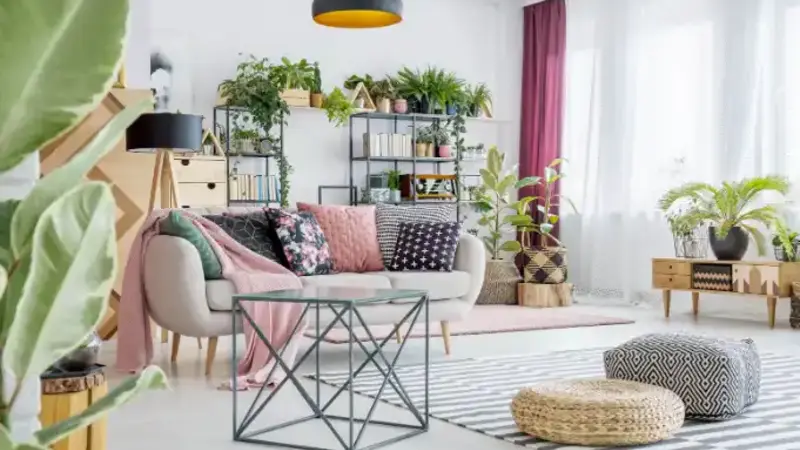
Keep windows as open as practical during the day. Sheer curtains can allow daylight into a room while still providing some privacy.
Mirrors can also help distribute available daylight by reflecting it into other parts of a space. Light-colored walls and surfaces can further help create a brighter appearance.
Decoradhouse lumination ideas work especially well when artificial lighting is planned to complement natural daylight rather than compete with it.
Choosing the Right Color Temperature
The color temperature of a bulb affects how a room appears.
Warm white light generally creates a cozy atmosphere and can work well in living rooms and bedrooms. Neutral lighting can be useful in kitchens, bathrooms, and work areas where clearer visibility is important.
The most important point is consistency. Using dramatically different light colors in connected spaces can sometimes create an unbalanced appearance.
Homeowners should consider how the light interacts with wall colors, flooring, furniture, and natural daylight before selecting bulbs.
Statement Lighting as Decoration
Lighting fixtures can be decorative objects themselves.
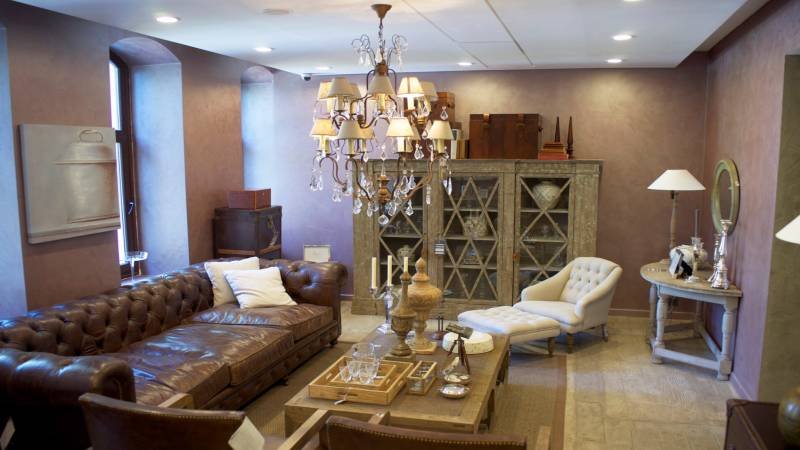
A sculptural chandelier can become the centerpiece of a dining room. A group of pendant lights can add character to a kitchen island. An unusual floor lamp can give a reading corner its own personality.
When using statement lighting, scale is important. A fixture should be large enough to make an impact but still proportionate to the room and surrounding furniture.
The fixture should enhance the space rather than overwhelm it.
Using LED Lighting
LED lighting has become popular because of its energy efficiency, long service life, and wide range of available styles.
LED bulbs can be used in ceiling fixtures, lamps, recessed lights, under-cabinet systems, outdoor fixtures, and decorative strips.
LED strips are particularly useful for accent lighting. They can be placed under shelves, behind furniture, around cabinets, or in other locations where indirect illumination is desired.
Choosing suitable brightness and color temperature is still important because energy efficiency alone does not guarantee a good lighting result.
Smart Lighting for Modern Homes
Smart lighting can add convenience to a modern home.
Depending on the system, homeowners may be able to control brightness, schedules, and sometimes color temperature through a mobile application or voice assistant.
Smart lighting can also create different scenes for different activities. For example, a brighter setting can be used while working, while a softer evening setting can create a more relaxed atmosphere.
These features can make lighting more flexible without requiring a complete change to the home’s decoration.
Highlighting Artwork and Decorative Features
Artwork can become much more noticeable when it is illuminated correctly.
Picture lights can provide focused illumination above paintings and framed artwork. Directional fixtures can highlight sculptures, plants, shelves, or textured walls.
Accent lighting should generally support the feature rather than become the main attraction.
A subtle light placed in the right location can sometimes have a greater visual effect than several bright fixtures.
Lighting Small Rooms
Small rooms do not necessarily need large fixtures or excessive brightness.
Wall sconces can save valuable floor and table space. Mirrors can help reflect available light and make a room appear more open.
Slim floor lamps and compact pendant lights can also provide illumination without taking up too much visual space.
In a small room, indirect lighting can be especially effective because it creates a softer sense of depth.
Outdoor Decoradhouse Lumination Ideas
Lighting should not stop at the front door. Outdoor illumination can improve patios, gardens, pathways, balconies, and entrances.
Path lights can guide movement through a garden, while wall lights can illuminate entrances and exterior walls.
String lights can add a relaxed atmosphere to patios and outdoor seating areas. Uplighting can highlight trees, plants, or architectural features.
Outdoor lighting should be planned carefully so that it provides useful visibility without creating excessive glare.
Budget Friendly Lighting Improvements
Improving home lighting does not always require a major renovation.
Replacing outdated bulbs, adding a table lamp, installing an under-cabinet LED strip, or changing the position of an existing fixture can make a noticeable difference.
Dimmers can also provide greater control over existing fixtures.
Another affordable approach is to focus on one problem area at a time. Instead of replacing every light in the house, identify the darkest or least functional area and improve it first.
Common Lighting Mistakes to Avoid
Even attractive fixtures can produce poor results when they are used incorrectly.
One common mistake is depending entirely on a single overhead fixture. Another is choosing bulbs that are too bright for a relaxing space.
Ignoring shadows can also reduce the usefulness of task lighting. In addition, fixtures that are too large or too small for a room can disturb the visual balance.
It is also important to avoid excessive accent lighting. The purpose of accent lighting is to highlight selected features, not illuminate every object in the room.
Creating a Balanced Lighting Plan
A balanced lighting plan begins with the purpose of each room.
Ask how the space is used during the day and evening. Identify areas where people read, cook, work, relax, or move around.
Then consider ambient lighting first. Add task lighting where specific activities require additional visibility, followed by accent lighting where decorative features need attention.
This simple process can help create a more functional and attractive home without making the design unnecessarily complicated.
Final Thoughts
Decoradhouse lumination ideas show how lighting can become an important part of a home’s overall design. From living rooms and bedrooms to kitchens, bathrooms, patios, and gardens, every space can benefit from thoughtful illumination.
The best results usually come from combining different lighting layers instead of depending on one fixture. Ambient lighting provides general visibility, task lighting supports everyday activities, and accent lighting adds character and highlights important features.
Natural daylight, LED technology, smart controls, warm color temperatures, decorative fixtures, and carefully positioned lamps can all contribute to a more comfortable home.
Ultimately, good lighting is not simply about making a room brighter. It is about creating the right atmosphere, supporting everyday activities, and allowing the home’s design to look its best. See more.