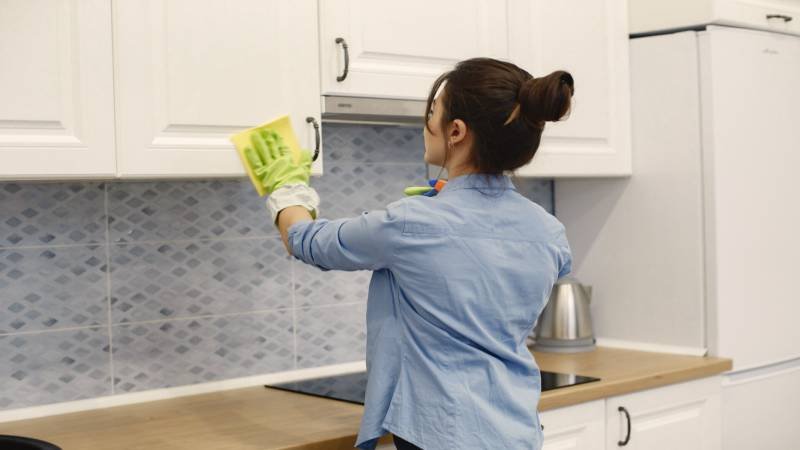

Tile is one of the most versatile materials available for kitchen and bathroom renovations. It can be used on floors, shower walls, backsplashes, and other surfaces while providing a huge range of colors, textures, patterns, and finishes.
However, choosing tile based only on appearance can lead to problems.
The location, moisture exposure, maintenance requirements, durability, and installation method should all influence the decision. Understanding these factors can help homeowners choose tile that remains practical long after the renovation is complete.
Start With Where the Tile Will Be Installed
The first question is not which color you prefer. It is where the tile will be used.
A decorative backsplash does not face the same demands as a bathroom floor. Shower tile needs to tolerate frequent moisture, while flooring needs to withstand foot traffic.
Products should therefore be selected for their intended applications.
Porcelain is particularly popular in bathrooms because of its low water absorption. Ceramic products can also be suitable, although homeowners should confirm that the specific product is rated for the intended application.
Consider Porcelain and Ceramic
Ceramic and porcelain are two of the most familiar tile options.
Both are available in numerous designs, but there can be important differences in density, water absorption, and suitable applications.
Porcelain is often selected for areas exposed to substantial moisture and traffic.
Ceramic can be an excellent choice for walls, backsplashes, and certain floors when the product is appropriately rated.
Rather than assuming one material is always superior, compare products according to where they will actually be installed.
Think Carefully About Bathroom Flooring
Bathroom floors need to cope with water and regular foot traffic.
Slip resistance should therefore be considered alongside appearance.
A highly polished surface may look attractive in a showroom but might not provide the practical characteristics you want around a bath or shower.
DecoradHouse similarly recommends choosing bathroom flooring according to moisture resistance and grip, highlighting porcelain and appropriate ceramic products as potential options.
Smaller tiles can also create additional grout lines, which may provide more traction depending on the installation.
Choose Kitchen Tile for Everyday Life
Kitchens create different challenges.
Backsplashes need to tolerate splashes, grease, and frequent cleaning. Floors need to cope with foot traffic, dropped objects, spills, and chairs being moved repeatedly.
Consider how much maintenance you realistically want to perform.
A highly textured tile may provide visual character but can require more effort to clean than a smoother surface.
The best kitchen tile balances appearance with the way the household actually uses the room.
Look at Tile Quality and Maintenance
Tile is a long-term finish, so maintenance should be considered before installation.
Some materials require more care than others.
Natural stone may need sealing, and grout can also require sealing depending on the system used. Cleaning products should be appropriate for the surface because harsh chemicals can potentially affect sealers or finishes.
Quality and proper installation can have a major influence on how a tiled surface performs over time. Homeowners comparing tile options and installation guidance can explore https://molonytile.com/ for additional information on tile, grout, sealing, cleaning, and related considerations.
Molony Tile’s published guidance recommends sealing grout after installation and notes that natural-stone tile may also require sealing.
Do Not Forget the Grout
Grout has both practical and visual functions.
Its color can dramatically change how the finished tile looks.
Matching grout can create a more continuous appearance, while contrasting grout can emphasize individual tile shapes and patterns.
Maintenance also matters.
Grout is exposed to dirt, moisture, and cleaning products. Appropriate installation and sealing can make ongoing care easier.
Consider grout at the same time as tile rather than leaving the decision until installation day.
Think About Tile Size
Large-format tiles can create a clean contemporary appearance and reduce the number of grout lines.
Smaller tiles can be useful for patterns, detailed areas, and surfaces where additional grout lines may be desirable.
Room size alone should not determine tile size.
A small bathroom can sometimes look excellent with large tiles, while a large kitchen might use smaller decorative tile effectively in a backsplash.
Consider proportions, layout, cuts, and the visual effect across the complete surface.
Order Enough Material
Tile calculations should account for more than the exact square footage being covered.
Cutting, breakage, pattern matching, and future repairs can require additional material.
Complex patterns may create more waste because individual pieces need to be cut to maintain the layout.
It can also be useful to keep some spare tile after installation.
Finding an exact match several years later may be difficult if the manufacturer changes the product or discontinues the range.
Professional Installation Can Matter
Beautiful tile can still produce disappointing results if the underlying installation is poor.
Substrate preparation, waterproofing, layout, cutting, spacing, adhesives, grout, and sealing all affect the finished surface.
Wet areas require particular attention.
Waterproofing problems behind attractive shower tile can eventually become much more expensive than the original installation.
For complicated layouts, natural stone, large-format products, or substantial wet-area installations, professional help may be worth considering. See more.
Frequently Asked Questions
Is porcelain or ceramic better for bathrooms?
Both can work, but porcelain’s low water absorption makes it particularly popular in moisture-prone areas. The individual product should always be suitable for its intended application.
What tile is best for a kitchen backsplash?
Ceramic, porcelain, glass, and other materials can work. Consider cleanability, appearance, heat exposure, and maintenance when comparing them.
Does grout need to be sealed?
Some grout installations benefit from sealing. Follow the recommendations associated with the specific grout and tile products used.
Does natural stone tile need sealing?
Many natural stones require sealing to help protect the surface. Molony Tile specifically recommends sealing natural-stone tile where applicable.
Are large tiles suitable for small bathrooms?
Yes. Large-format tiles can work effectively in smaller bathrooms when the layout and proportions are planned carefully.
Should I buy extra tile?
Yes. Additional material provides an allowance for cuts, breakage, pattern matching, and potential future repairs.
Can any tile be installed on a floor?
No. Check that the product is rated for flooring and appropriate for the expected traffic and conditions.
How should tile be cleaned?
Use products appropriate for the tile, grout, and sealer. Some harsh household cleaners can affect protective sealers over time.