
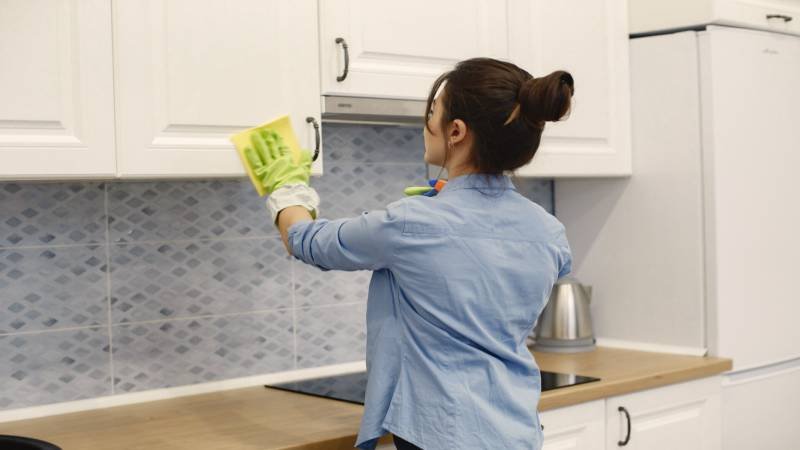
The kitchen is widely considered the heart of the modern home, serving as the central hub for food preparation, family gatherings, and morning routines. However, because of the constant presence of raw meats, fresh produce, moisture, and high heat, the kitchen is also the most microbiologically active room in any house. While a quick wipe of the counters with a damp sponge might make things look acceptable, it often does little to stop cross-contamination or eradicate hidden foodborne bacteria.
Achieving a truly safe, hygienic kitchen requires a deep understanding of food safety principles and sanitization science. For homeowners who want to ensure their kitchens meet the absolute highest standards of biological safety, scheduling deep maintenance with a professional firm like PROCLEAN is an excellent investment. Professional technicians use specialized sanitizers and high-temperature equipment to eliminate deep-seated pathogens from every corner of your food prep zones.
To protect your household from foodborne illnesses like Salmonella, E. coli, and Listeria, you must implement a rigorous kitchen sanitization protocol. Understanding the difference between cleaning and disinfecting is the first step toward a healthy home.
The Vital Distinction Between Cleaning and Disinfecting
Many homeowners confuse cleaning with disinfecting, but these two steps are fundamentally different and must be performed in sequence.
Step 1: Cleaning to Remove Surface Material
Cleaning involves physically removing visible dirt, grease, crumbs, and debris from surfaces using soap, water, and a cloth. This step is necessary because organic matter can shield bacteria from disinfectants, rendering sanitizing sprays ineffective if applied directly onto a dirty countertop.
Step 2: Disinfecting to Neutralize Microscopic Pathogens
Disinfecting uses specialized chemical solutions to completely destroy invisible bacteria and viruses remaining on surfaces. To work correctly, a disinfectant must stay wet on the surface for the specific contact time listed on the product label—usually between three and ten minutes—before being wiped clean or left to air dry.
The Proper Care of Cutting Boards and Tools
Cutting boards are major sources of cross-contamination in the kitchen. Avoid using porous wooden cutting boards for raw poultry or meat, as bacteria can sink deep into the wood grain. Opt for non-porous plastic or glass boards instead, and sanitize them in a high-temperature dishwasher after every single use to eliminate hidden pathogens.
Sanitizing the Hidden Germ Hotspots in Your Kitchen
While countertops are cleaned frequently, several areas in the kitchen are often overlooked, allowing massive colonies of bacteria to grow undisturbed.
The Kitchen Sink and Faucet Assembly
Studies conducted by public health organizations show that the kitchen sink basin often contains more fecal bacteria than a bathroom toilet bowl. Food particles trap moisture in the drain, creating an ideal breeding ground for microbes. Scrub your sink basin daily with an antibacterial cleanser, and sanitize the faucet handles regularly since they are touched frequently during food prep.
Major Appliance Door Seals and Handles
The rubber magnetic seals around your refrigerator and freezer doors trap crumbs, condensation, and grease, leading to dark mold growth that can contaminate food items. Wipe down these seals monthly with a warm vinegar solution, and thoroughly disinfect the main door handles daily to prevent the spread of germs.
| Kitchen Component | Primary Biological Risk | Recommended Sanitizer | Optimal Frequency |
| Countertops | Cross-contamination, food residue | Food-safe disinfectant spray | After every meal |
| Sink Basin | Fecal bacteria, stagnant moisture | Antibacterial abrasive cream | Daily |
| Cutting Boards | Deep-seated Salmonella, E. coli | High-heat dishwasher cycle | After every use |
| Refrigerator Seals | Foodborne mold and mildew | Diluted white vinegar solution | Monthly |
| Garbage Disposal | Foul odors, rotting organic matter | Ice, rock salt, and citrus peels | Weekly |
Long-Term Benefits of a Highly Sterile Kitchen
Maintaining strict biological hygiene in your kitchen provides major benefits that safeguard your health and extend the lifespan of your appliances.
- Prevention of Food Spoilage: Eliminating mold spores and bacteria from your refrigerator keeps your fresh produce and leftovers fresh for longer.
- Complete Pest Protection: Keeping surfaces completely free of grease and food crumbs removes the attractants that draw ants, fruit flies, and rodents.
- appliance Efficiency: Keeping stove burners, oven interiors, and refrigerator coils free of grease buildup allows appliances to operate at peak efficiency.
Frequently Asked Questions
Is it safe to clean my kitchen counters with a standard dish sponge?
Standard sponges absorb bacteria and moisture, meaning they often spread microbes across surfaces rather than removing them unless sanitized daily.
What is the safest way to thaw frozen meat to avoid bacteria?
Always thaw frozen meat inside the refrigerator, in cold water, or in the microwave—never leave it out on the counter at room temperature.
Can I use standard household bleach on quartz countertops?
No, harsh bleach can dull or discolor engineered stone like quartz. Always use a manufacturer-approved, pH-neutral surface sanitizer.
How often should I deep-clean the inside of my oven?
Ovens should be deep-cleaned every three to six months, or as soon as you notice smoke or burnt odors during preheating.
What causes my automatic ice maker to develop a bad smell?
Ice cubes absorb airborne food odors from your freezer, and mold can form in the water line if the filter is not changed every six months.
Conclusion
Keeping a kitchen genuinely clean requires going beyond basic surface tidiness and focusing on biological sanitization. Understanding the clear distinction between removing surface grease and destroying microscopic pathogens is vital to protecting your household from preventable foodborne illnesses. By paying close attention to hidden germ hotspots like sink basins, cutting boards, and appliance door seals, you prevent the cross-contamination that endangers your health. Ultimately, a disciplined kitchen sanitization routine ensures a safe, healthy, and welcoming environment for your family. See more: decoradhouse.org.