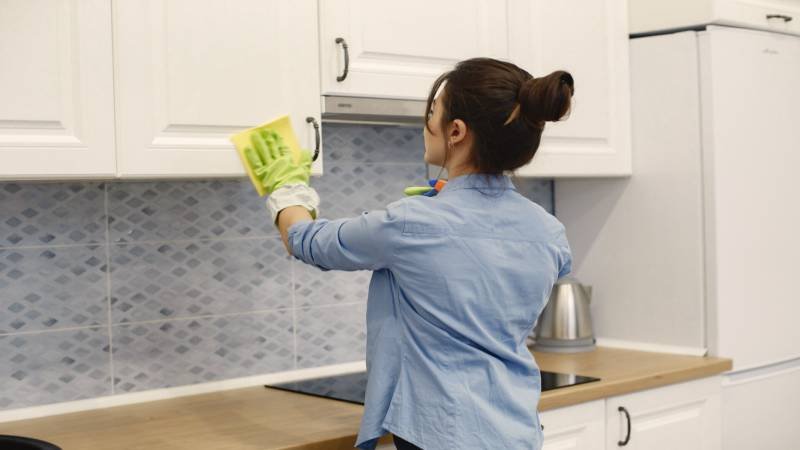

A kitchen remodel changes how a house feels every single day, which is exactly why it is the project homeowners most often underestimate. The finishes are the fun part, but the outcome is decided long before the tile goes up, in the planning.
This guide walks through the decisions that actually shape a kitchen renovation in the Denver south metro: what the work involves, what it costs, how long it takes, and where the money and the regret usually hide.
Every answer below is self-contained, so you can jump straight to the question you care about most and get a complete answer without reading the whole page.
What does a kitchen remodel actually involve?
A full kitchen remodel is a coordinated sequence of trades, not a single job. It moves through demolition, rough plumbing and electrical, any framing changes, drywall, cabinets, countertops, tile, flooring, lighting, and finally appliances and fixtures.
Each stage depends on the one before it, which is why sequencing rather than decorating is what keeps a project on schedule. Countertops, for instance, can only be templated after cabinets are installed and level, and tile backsplash follows the counters. A missed step early ripples through every date that follows, so a clear plan up front is worth more than any single finish choice.
How much does a kitchen remodel cost in the south Denver metro?
Cost tracks scope far more than square footage. A cosmetic refresh that keeps the existing layout runs a fraction of a full gut that moves walls and plumbing. The table below shows the ranges homeowners in the Centennial area should plan around, organized by the depth of the work.
| Scope of remodel | Typical cost range | Typical timeline | What it includes |
| Cosmetic refresh | $15,000 – $30,000 | 2 – 4 weeks | New countertops, backsplash, paint, hardware, lighting; existing cabinets and layout kept |
| Mid-range remodel | $30,000 – $65,000 | 5 – 8 weeks | New cabinets, counters, flooring, appliances; minor layout tweaks within the same footprint |
| Major remodel | $65,000 – $120,000+ | 8 – 14 weeks | Walls removed, plumbing and gas relocated, structural work, custom cabinetry, high-end finishes |
Treat these as planning ranges, not quotes. Older homes, custom cabinetry, and relocating mechanical systems all push a project toward the top of its band. A real estimate is written only after a contractor has seen the actual space, checked what is behind the walls, and understood how you intend to use the room.
Where does the kitchen budget actually go?
In a typical mid-range remodel, cabinets consume roughly 30 to 35 percent of the budget, labor another 20 to 25 percent, and countertops around 10 percent. Appliances, flooring, lighting, and fixtures divide the remainder.
Knowing this split tells you where cutting actually helps and where it only shows. Trimming a few thousand from appliances rarely changes how the kitchen looks, while cheap cabinets are visible and felt every day for years. Spend where your hands and eyes land most often, and economize on the parts nobody notices.
Which layout changes make the biggest difference?
Most dated kitchens fail on flow, not looks. The highest-impact moves are removing a wall or peninsula that blocks traffic, repositioning an island to open a natural work triangle, and widening a cramped walkway to at least 42 inches.
These changes rarely appear in a mood board, yet they are what make a kitchen feel effortless instead of frustrating. Before choosing a single finish, walk your current kitchen and notice where you collide with cabinets, where two people cannot pass, and where the light dies. Those friction points are your real brief.
Do you need to move plumbing and gas lines?
Keeping the sink, stove, and appliances in their existing locations keeps a remodel efficient and affordable. Relocating them means opening walls and floors, running new supply and drain lines, and pulling permits, which adds both cost and weeks.
Deciding early whether the new layout justifies moving mechanicals is the single most important budget conversation you will have. Sometimes shifting a sink three feet unlocks a far better kitchen and is worth every dollar; sometimes it adds thousands for a change nobody would notice. Make that call on purpose, not by accident mid-project.
How long does a kitchen remodel take?
A cosmetic refresh can finish in two to four weeks, while a major remodel that moves walls and mechanicals typically runs eight to fourteen weeks from demolition to final walkthrough.
The biggest schedule risk is not the labor, it is the lead times. Semi-custom cabinets often take six to ten weeks to arrive, and specialty tile or stone can take longer. That is why materials are ordered before demolition begins, so the crew is never standing idle waiting on a delivery. A realistic timeline is built backward from those lead times.
What should you budget for surprises?
Set aside a contingency of 15 to 20 percent of the project cost, and treat it as part of the plan rather than a nice-to-have.
Homes built decades ago hide out-of-code wiring, undersized or corroded plumbing, and subfloor damage behind the drywall, and none of it appears until demolition opens things up. Deciding in advance what you will do when a surprise appears, and having the funds set aside, is the difference between a project that keeps moving and one that stalls for weeks while everyone scrambles.
Cabinets: refinish, reface, or replace?
If the existing cabinet boxes are structurally solid and the layout is staying, refinishing or refacing can modernize a kitchen for a fraction of replacement cost. Replace when the layout is changing, the boxes are damaged or swollen, or the storage simply no longer works for how you cook.
Because cabinets drive both the look of the room and the largest slice of the budget, this is the decision that sets the tone for everything else. It is worth resolving before you shop for anything, because the cabinet choice quietly dictates your counters, your hardware, and your timeline.
What countertop material is worth it?
Quartz has become the default for good reason: it is durable, non-porous, low-maintenance, and priced between laminate and premium natural stone. Granite and quartzite suit homeowners who want natural variation and can accept a little upkeep.
Butcher block and marble look beautiful but demand sealing, care, and tolerance for patina, so they reward the right owner and punish the wrong one. Match the material to how hard your kitchen actually gets used. A busy family kitchen and a rarely-cooked-in showpiece call for very different surfaces, and honesty about which one you have saves regret.
How much lighting does a kitchen really need?
A working kitchen needs three layers of light: task lighting over prep zones and the sink, ambient lighting overhead for the whole room, and a little accent light for warmth in the evening.
Most dated kitchens rely on a single central fixture and feel dim and flat as a result. Adding under-cabinet task lights and a few well-placed cans is one of the cheapest upgrades with the biggest daily payoff, transforming how the space works from early morning coffee to late-night cleanup. Plan the lighting with the layout, not as an afterthought.
Should you open the kitchen to the living area?
Opening a kitchen to an adjoining dining or living space is the single change that most often makes a home feel twice its size, and it is the defining request in south metro homes built with compartmentalized floor plans.
The catch is structural: some walls carry load, so you need to confirm which before you commit, and a load-bearing removal means a beam and often a permit. When it works, though, it does not just improve the kitchen, it changes how the entire main floor lives, connecting cooking, eating, and gathering into one bright space.
How do you choose finishes that will not date?
Choose the permanent, expensive finishes to last, and save the personality for the pieces you can swap cheaply. Warm neutral cabinetry, durable stone, and simple hardware still read well in ten years, while the boldest tile of the moment usually does not.
Paint, hardware, light fixtures, and accessories are where trends belong, because replacing them later costs little. Committing a bold, of-the-moment choice to your cabinets or countertops locks you into a look that may feel tired long before the material wears out. Timeless bones, changeable accents, is the formula that ages gracefully.
Do you need permits for a kitchen remodel in Centennial?
Cosmetic work rarely needs a permit, but electrical changes, plumbing relocation, gas work, and removing walls almost always do in the Centennial and Arapahoe County area.
Permits exist to protect safety and resale value, and skipping them tends to surface at the worst possible time, during an inspection or a future sale. A local team that handles kitchen remodeling in Centennial, CO every week already knows the permit office, the submission requirements, and the inspectors, which keeps a project from stalling on paperwork and keeps the work correct the first time.
Why does hiring local matter so much?
A contractor who works your area weekly knows the permit process, the local inspectors, and the quirks of homes built in your neighborhood’s era, from the wiring conventions to the common subfloor issues.
That local fluency turns unknowns into routine and prevents the delays that come from a generalist learning your jurisdiction on your dime. It also means the crew has likely solved your exact surprise before, so an aluminum-wiring discovery or an undersized panel becomes a known fix rather than a multi-day standstill while everyone researches the code.
How do you vet a kitchen remodeler before you sign?
Verify licensing and insurance and ask for proof without apology; a legitimate remodeler hands it over easily. Then ask to see completed kitchens like yours rather than a generic gallery, because a real project tells you more than any brochure.
Pay close attention to communication in the first conversations. A remodeler who asks how you actually cook, explains trade-offs honestly, and sets realistic expectations will manage the build the same way. Be wary of any bid dramatically lower than the rest, because the gap is almost always missing scope that returns later as a change order.
How do you keep a kitchen usable during the remodel?
Set up a temporary kitchen before demolition day: relocate the refrigerator and microwave to a nearby room, keep a coffee maker and a few essentials handy, and plan for takeout or simple meals during the messiest weeks.
Talk with your contractor about which utilities go offline and when, because water and power to the kitchen are typically interrupted at points during the work. Sealing off the space with plastic and running an air scrubber keeps dust out of the rest of the house. A little setup up front makes living through a remodel far less miserable.
What kitchen features add the most resale value?
The features buyers respond to most are a functional open layout, quality cabinets in good condition, durable stone countertops, updated lighting, and modern, matching appliances. These are the elements an appraiser can point to and a buyer notices in the first thirty seconds.
Hyper-personal choices, an ultra-premium range or a bold statement tile, rarely return their cost at resale, though there is nothing wrong with spending on what you love. The smartest budgets put resale-safe choices where they show and reserve the personal splurges for pieces that are easy to change later.
The Bottom Line
A successful kitchen remodel is won in the planning, not the picking of finishes. Get the layout, the budget contingency, and the sequencing right, and the finishes become the easy, enjoyable part at the end.
Decide on purpose whether your new layout justifies moving plumbing, protect the project with a real 15 to 20 percent contingency, order long-lead materials before demolition, and hire a team that already knows your jurisdiction. Do that, and the room you use most becomes the one you enjoy most, for the next decade rather than the next trend cycle. See more: decoradhouse.org.