
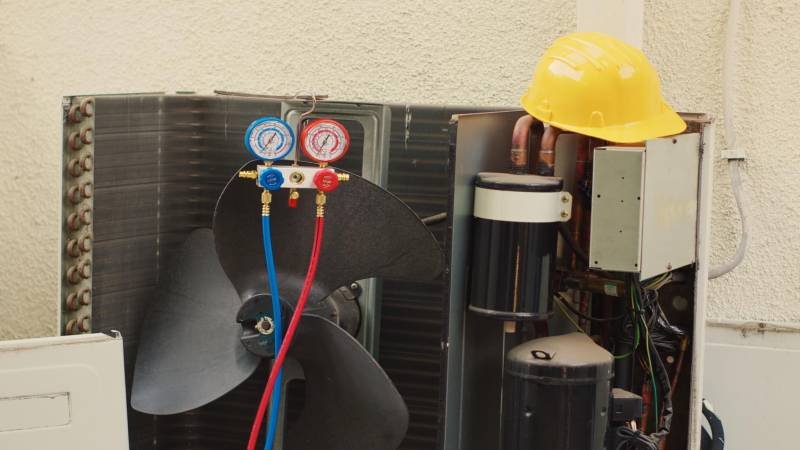
Regular seasonal air conditioning maintenance plays a major role in keeping cooling systems dependable, efficient, and durable throughout the year. Many property owners only think about their AC unit when it stops working, but by then, wear and tear may already have affected its performance. Seasonal tune-ups help address small issues early, improve airflow, and ensure all components work together properly. This proactive care helps reduce sudden breakdowns during extreme weather while also improving indoor comfort levels. Over time, consistent maintenance helps reduce energy use and unnecessary strain on system components, allowing the equipment to operate more smoothly under changing temperatures and usage demands.
How Routine AC Care Supports Efficiency and Reliability
-
Understanding Seasonal Maintenance Benefits
Seasonal air conditioning tune-ups are important because they allow technicians to evaluate system performance before heavy usage periods begin. During these inspections, internal components such as coils, filters, refrigerant levels, and electrical connections are checked for signs of wear or inefficiency. When these parts are cleaned, adjusted, or corrected early, the system does not have to work as hard to produce cool air, which helps maintain consistent indoor temperatures.
This preventive approach also reduces the likelihood of sudden malfunctions during peak summer heat when demand is highest. Over time, regular attention helps extend the unit’s overall lifespan by reducing accumulated strain on motors and compressors, which are often the most stressed parts of the system.
-
Improving Energy Efficiency Through Routine Care
A well-maintained air conditioning system consumes less energy because it does not have to compensate for blocked airflow or dirty internal components. Dust buildup on evaporator coils or clogged filters can force the system to run longer cycles, increasing electricity usage and raising utility bills. Seasonal tune-ups address these issues by restoring proper airflow and ensuring refrigerant levels are balanced for optimal cooling output. In addition, tightening electrical connections and checking thermostat calibration improves operational accuracy, preventing unnecessary cycling.
In service planning discussions for HVAC and Air Conditioning Services in Poway, maintenance scheduling is often highlighted as a key step in controlling long-term operating costs and preserving system stability. These combined improvements help the system operate more efficiently while maintaining steady cooling performance even during extended use.
-
Reducing Unexpected Breakdowns and Repairs
One of the most valuable outcomes of seasonal AC maintenance is the reduction of unexpected system failures. Many breakdowns begin with small, unnoticed issues such as loose wiring, minor refrigerant leaks, or weakened mechanical parts. Without regular inspection, these problems can gradually worsen until the system stops functioning altogether. Seasonal tune-ups help identify and correct these early warning signs before they turn into costly repairs. Technicians also test safety controls and the system’s response to ensure that all components activate and shut down properly under normal operating conditions.
This reduces the likelihood of emergency service calls during extreme weather when cooling is most needed. Preventive attention to these details ensures more reliable system operation and minimizes disruptions to indoor comfort.
-
Enhancing Indoor Air Quality and Comfort
Air conditioning systems do more than regulate temperature; they also influence indoor air quality. Over time, dust, pollen, and other airborne particles can accumulate in filters, ducts, and coils, recirculating into living spaces if not addressed. Seasonal tune-ups typically include cleaning or replacing filters and removing buildup from internal surfaces, which helps improve the cleanliness of the air being distributed. This creates a healthier indoor environment and reduces strain on individuals sensitive to airborne irritants.
Proper airflow balance also contributes to more even cooling throughout the space, preventing hot and cold spots that can make indoor environments uncomfortable. When the system operates cleanly and efficiently, overall comfort levels improve significantly without requiring constant temperature adjustments.
-
Extending Equipment Lifespan Through Preventive Care
Air conditioning systems represent a significant investment, and extending their lifespan is one of the most practical benefits of seasonal maintenance. When components are regularly inspected and serviced, wear and tear is distributed more evenly across the system rather than concentrated in specific parts. Lubricating moving parts, tightening electrical connections, and ensuring proper refrigerant balance all contribute to smoother operation. This reduces stress on the compressor, which is often the most expensive component to replace.
Over time, systems that receive consistent care tend to last several years longer than those that are neglected. This extended lifespan not only delays replacement costs but also improves overall return on investment, making seasonal tune-ups a practical long-term strategy for system management.
-
Maintaining System Performance During Seasonal Changes
Air conditioning systems face different demands depending on the time of year, especially when transitioning from cooler months into peak summer conditions. Seasonal tune-ups prepare the system for these changes by ensuring it is calibrated for higher workloads. Technicians check thermostat response, inspect cooling cycles, and verify that all mechanical parts are functioning at appropriate levels. This preparation helps the system adjust more effectively when outdoor temperatures rise sharply.
Without this adjustment, the system may struggle to maintain consistent cooling, leading to uneven performance and higher energy consumption. Proper seasonal preparation ensures that the unit remains stable and responsive, even during prolonged heat waves or periods of continuous operation.
-
Supporting Long-Term Cost Savings and System Value
While seasonal AC maintenance involves routine service costs, it ultimately contributes to long-term financial savings. Preventing major repairs, reducing energy consumption, and extending equipment lifespan all help lower overall ownership expenses. A system that runs efficiently also places less demand on replacement parts, reducing the frequency of service interventions. Over time, these savings accumulate and outweigh the cost of periodic maintenance visits.
Additionally, well-maintained systems retain higher value, which can be beneficial if the property is sold or upgraded. Consistent care demonstrates responsible system management and ensures the cooling equipment continues to perform reliably under varying conditions without unexpected financial strain.
Seasonal air conditioning tune-ups play an essential role in maintaining system reliability, efficiency, and long-term performance. Regular inspections and adjustments help prevent breakdowns, improve air quality, and ensure consistent cooling during periods of heavy use. By addressing small issues early and keeping components in good working condition, the system operates more smoothly and with less energy demand.
Over time, this consistent care extends equipment lifespan and reduces overall maintenance costs. A properly maintained air conditioning system delivers steady comfort, better performance, and dependable operation throughout changing seasons, making routine tune-ups a practical and valuable part of responsible system upkeep. See more: decoradhouse.org.