Dubai’s residential property market has grown well beyond apartments and standalone villas over the past few years, and townhouses have quietly become one of the most sought-after segments for both homeowners and investors. They offer a rare middle ground: more space and privacy than an apartment, without the higher price tag and upkeep typically associated with a full villa. For anyone weighing where to put their money in Dubai’s property market, townhouses deserve a closer look, and understanding what sets them apart is the first step toward making a confident decision.
What Makes a Townhouse Different
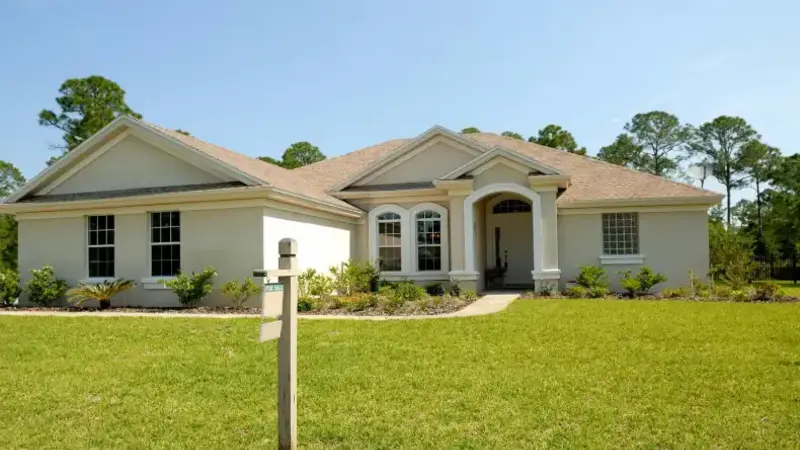
A townhouse sits between an apartment and a villa in both scale and structure. It typically spans two or three floors, shares at least one wall with a neighbouring unit, and comes with its own small private garden, terrace, or courtyard. Unlike apartments, townhouses give owners a front door that opens directly onto the street or a shared walkway rather than a communal lobby, and unlike villas, they are usually more compact and priced more accessibly. This combination of private outdoor space, generous internal layouts, and a manageable footprint is exactly why so many families and young professionals are choosing townhouses over other options. It is a category built around practicality as much as prestige, which is part of why it has found such a steady audience.
More Space and Value for the Price
One of the clearest arguments for buying a townhouse is what buyers get for their money. Townhouses generally offer more built-up area, more bedrooms, and dedicated outdoor space compared to an apartment at a similar price point. For investors, that translates into a property that appeals to a wider pool of tenants and buyers, families in particular, who want room to grow without stretching their budget to villa-level pricing. A three or four-bedroom townhouse can comfortably house a family that might otherwise be squeezed into a two-bedroom apartment, and that extra livability tends to support both rental interest and resale demand over time. Multiple floors also mean more flexibility in how the space is used, whether that is a dedicated home office, a playroom, or simply separate zones for parents and children to spread out.
Rising Demand Against Limited Supply
Compared to Dubai’s vast stock of apartments, the number of townhouses on the market remains relatively small. Most of Dubai’s residential supply is concentrated in apartment towers, and townhouses represent a smaller, more tightly held category by comparison. As more families relocate to Dubai and existing residents look to upgrade from an apartment without committing to a full villa, demand for this middle segment continues to grow. Limited supply paired with steady demand is one of the more reliable ingredients for property value holding up, and potentially appreciating, over the medium to long term. Because townhouse communities are typically built out in a single phase with a fixed number of units, there is little room for the supply to expand later, which sets this segment apart from apartment towers that can be added to a skyline in far greater numbers.
Strong Appeal to Both Tenants and End-Users
Townhouses tend to attract a stable, longer-staying type of tenant or buyer. Families relocating for work, or residents who have outgrown an apartment but are not ready for the upkeep of a large villa, are drawn to the layout and lifestyle a townhouse offers. That stability matters for investors, since longer tenancies mean fewer vacancy periods and lower turnover costs. At the same time, the same features that appeal to tenants, extra bedrooms, private outdoor space, low-rise living, also make townhouses easier to resell, since the pool of buyers who want that lifestyle is broad and consistent. A property that suits both long-term renters and eventual owner-occupiers gives an investor more flexibility down the line, whether the plan is to hold, lease, or sell.
A Lifestyle Fit for Modern Families
Beyond the numbers, townhouses simply suit the way many residents want to live. A private garden or courtyard gives children a safe space to play without leaving the property, and a multi-storey layout naturally separates living and sleeping areas in a way that flat living cannot always replicate. Low-rise streets with a handful of neighbouring units tend to feel quieter and more personal than a high-rise tower with hundreds of residents sharing lifts and lobbies. For buyers who want the sense of a standalone home without taking on the size and cost of a full villa, that balance is a significant part of the appeal, and it is a large reason why demand for this segment has held up so consistently.
A Freehold Option With Long-Term Staying Power
Dubai’s freehold ownership framework allows both residents and international buyers to own townhouses outright in designated areas, a major draw for overseas investors seeking to establish a long-term presence in the city. Beyond the ownership structure itself, townhouses tend to hold their value well because they serve a segment of the market that is not easily replaced. Once a townhouse community is built out, there is limited room to add more units, which supports a scarcity value that high-rise apartment supply, which can expand more easily, does not always match. For an investor thinking several years ahead rather than looking for a quick flip, that scarcity is a meaningful part of the long-term case.
Backed by Developers With a Track Record
The quality of the developer behind a townhouse project matters just as much as the location or layout. Design-led developers with a consistent record for build quality, timely handover, and thoughtful amenities tend to produce townhouses that hold their value better and attract more serious buyers down the line. Ellington Properties, a Dubai-based developer known for its design-focused residential projects, is one example of a developer whose portfolio includes well-regarded townhouse communities, such as Somerset Mews in Jumeirah Village Circle, alongside its apartment and villa developments. For those comparing townhouses for sale in UAE, established names with a proven delivery record are often a sensible starting point, since a strong track record tends to translate into fewer surprises after handover and steadier demand from future buyers.
What to Look for Before Buying
Not every townhouse delivers the same value, so a bit of diligence goes a long way. Location within the wider community matters, since proximity to schools, main roads, and retail amenities can make a meaningful difference to both livability and resale appeal. Layout is just as important, as some townhouses use internal space efficiently while others lose usable square footage to awkward staircases or narrow rooms. It is also worth looking closely at a developer’s history of past projects and how well those projects have aged, since a well-managed, well-maintained community tends to protect property values better than one that has been neglected after handover. Finally, buyers should compare a few options side by side rather than settling on the first listing that fits their budget, since pricing and build quality can vary significantly even within the same neighbourhood.
The Case for Townhouses in Dubai
Dubai’s property market offers plenty of choice, but townhouses fill a gap that apartments and villas cannot quite match on their own. They combine space, privacy, and a manageable price point in a way that continues to draw in families, professionals, and investors alike. With supply staying comparatively tight and demand showing no signs of slowing, townhouses are shaping up to be one of the more resilient segments of Dubai’s residential market. For buyers looking for a property that balances lifestyle with long-term value, townhouses are well worth serious consideration. See more.