
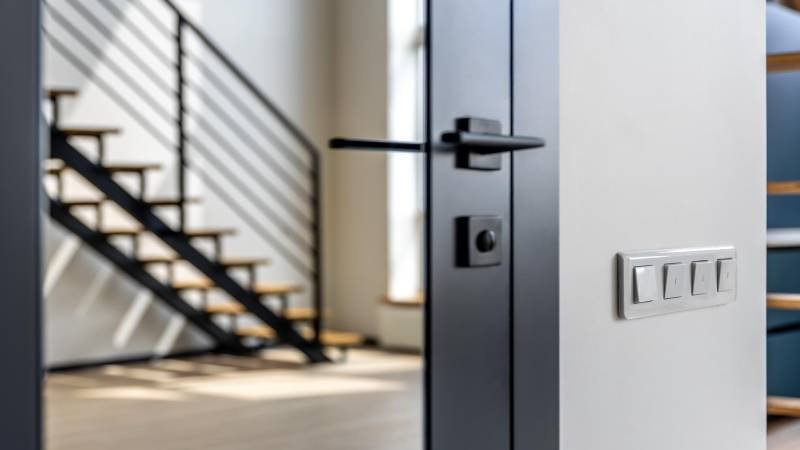
It’s easy to overlook a door handle. Most of us use one dozens of times a day without a second thought. Turn, push, pull, repeat. Yet that small piece of hardware sits at the intersection of design, comfort, accessibility, and even first impressions. In other words, it does far more work than simply opening and closing a door.
The best interiors tend to get the small details right. Paint colours, lighting, flooring, and furniture usually get the attention, but hardware often determines whether a space feels thoughtfully finished or just assembled. A door handle is one of the few features in a room that you both see and physically interact with, which gives it an outsized influence on how a space feels in practice.
Door Handles Shape First Impressions
When someone enters a home, office, hotel, or shop, the door handle is often one of the first tactile elements they encounter. Before they notice the flooring or wall texture, they’ve already formed an impression through touch.
A solid, well-made handle signals care and quality. A loose, awkward, or overly ornate one can suggest the opposite. That matters more than many people realise. Good design is rarely about one dramatic feature; it’s usually the result of many subtle decisions working together. Door hardware is one of those decisions.
Small Detail, Big Visual Impact
Because handles are repeated throughout a building, they create visual consistency. A sleek lever in matte black gives a very different impression from a traditional polished brass knob. Neither is inherently better. What matters is whether the choice supports the character of the space.
In period homes, hardware can reinforce architectural heritage. In contemporary interiors, it can sharpen a minimalist look. In commercial spaces, it can quietly communicate professionalism. The point is simple: door handles are part of the design language, not an afterthought.
They Influence How a Space Feels to Use
A room can look impressive in photographs and still feel frustrating in daily life. Hardware often plays a role in that disconnect. The shape, weight, grip, and mechanism of a handle affect usability every single day.
Think about the difference between a cold, slippery knob and a well-balanced lever that sits naturally in the hand. One creates friction; the other disappears into the experience. That kind of ease is what thoughtful design aims for.
Ergonomics Matter More Than Style Alone
A handle should suit the people using it. In homes with children or older adults, ease of grip becomes especially important. In workplaces or public settings, durability and intuitive operation are essential. This is where purely decorative choices can fall short.
The growing focus on inclusive design has also pushed hardware selection into more practical territory. Lever handles, for example, are often easier to operate than round knobs for people with reduced hand strength or limited mobility. Aesthetic appeal still matters, but not at the expense of comfort and access.
When weighing those considerations, it helps to compare styles against door type, room use, and finish requirements rather than making a decision based on appearance alone. Tools such as an online door handle finder guide can be useful for narrowing options in a more structured way, especially when a project includes multiple doors with different needs.
Material and Finish Affect Performance
Door handles are handled constantly, which means the material choice has practical consequences. This isn’t just a matter of colour matching.
Brass, stainless steel, chrome, blackened finishes, and satin metals all age differently. Some develop character over time; others are chosen because they resist fingerprints, corrosion, or heavy wear. In high-traffic areas, those differences become noticeable quickly.
Durability Is Part of Good Design
A handle in a family kitchen or a busy office entrance has to withstand frequent use, moisture, oils from hands, and occasional knocks. In those contexts, a finish that chips or shows every mark may create maintenance issues no matter how good it looks on day one.
This is one reason designers and specifiers increasingly treat hardware as both a visual and technical decision. Finish, mechanism quality, and installation standards all contribute to long-term satisfaction. A cheap handle replaced twice is rarely better value than one solid option selected carefully from the start.
They Can Support Privacy, Flow, and Function
Different rooms ask different things of their hardware. A bathroom needs privacy. A bedroom may need a lock but also quiet operation. A kitchen pantry might benefit from a simple latch-free design. In commercial settings, code compliance and fire safety can enter the picture.
That variety is why “one style for every door” doesn’t always work, even if visual consistency is the goal. Good hardware planning balances cohesion with practical differences from room to room.
Matching the Handle to the Space
This is where the best choices often feel invisible. You don’t notice them because they make sense. The handle on a bathroom door behaves differently from the one on a hallway cupboard, but both still belong to the same design story.
That subtle alignment matters. It improves flow, reduces annoyance, and creates a sense that the space has been properly considered rather than hastily finished.
Hardware Carries Emotional Weight Too
There’s also a less technical reason door handles matter: they contribute to atmosphere. We tend to underestimate how much touch shapes memory and perception.
The heavy brass handle on an old townhouse feels reassuring and rooted. A clean-lined satin lever can feel calm and modern. A handcrafted piece may add warmth and individuality. These reactions aren’t accidental. People respond to texture, weight, and form instinctively.
Designers have long understood that the emotional success of a space depends on more than what’s visible at a distance. The moments of contact matter. A door handle is one of those moments.
The Overlooked Detail That Deserves More Attention
Door handles are not the stars of an interior scheme, and perhaps that’s why they’re so often neglected. But they influence how spaces look, how they function, and how they’re remembered. They affect accessibility, maintenance, comfort, and visual coherence all at once.
That’s a remarkable amount of responsibility for such a small object.
So the next time you’re updating a property, planning a renovation, or specifying details for a new build, it’s worth pausing before treating hardware as a final tick-box item. A door handle may be a functional feature, yes, but it’s also a design decision, a tactile experience, and a quiet marker of quality. In many spaces, it’s the detail that proves whether the whole room has truly been thought through. See more.