
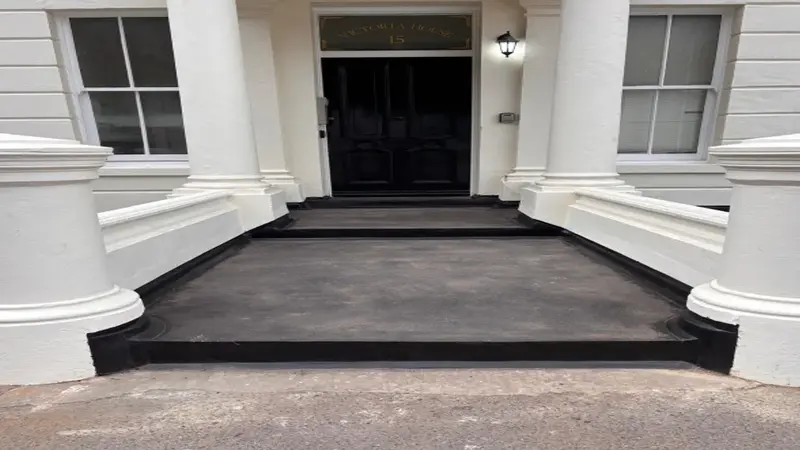
Damp patches, water marks, plus a musty odor near the concrete steps are some signs that tell you there might be a water leak problem at the steps. People living in London who find water leaking around or underneath your concrete steps may get confused and worried. The situation becomes worse if the wetness is affecting the insides of the house, such as the hallway, cellar, or basement. This occurrence is not rare across London various causes, along with easy-to-use solutions, exist for it to take place.
Here is a simple, nice to read, and informative explanation regarding the matter and your possible actions.
What Causes Leaking Concrete Steps?
Here are the main reasons this issue occurs:
1. Cracks That Allow Water In
Notwithstanding being a strong building material, concrete still has some porosity. In the process, some cracks may appear, and even some hairline cracks may allow rainwater to seep through.
2. Lack of Waterproofing
Numerous London’s historic properties were constructed long before the use of modern waterproof coatings and were therefore left unprotected. In the absence of this barrier, water vapor can freely migrate through concrete.
3. Poor Drainage Near the Steps
In case of a drain blocking, the ground being unlevel, or a lot of rain falling, rainwater may stay or gather around the steps, and the moisture will eventually penetrate the building.
4. Gaps Between the Steps and the House
The attendance of any fillings should be taken into consideration so that the wall can compromise the resilience.
5. Damaged Mortar or Brickwork
In case the stairs are contiguous with brick or masonry walls, the loose mortar may absorb moisture and allow its flow into the building.
6. Soil Movement in London
A large part of London stands on clay soil. The wet clay undergoes an expansion process, while on the other hand, its drying results in a contraction process. This can be the reason for the formation of cracks or small gaps that are the means for water to get through.
Signs That Your Steps Are Leaking
Look for the following signs:
- Damp marks on walls or floors near the steps
- Water appearing indoors after rain
- A musty or mouldy smell
- Flaking or disintegration of concrete
- A white powdery substance called efflorescence
- Flaking paint or plaster surfacing
Peel it back, why let it ruin that wall or wherever?
How Can It Be Repaired?
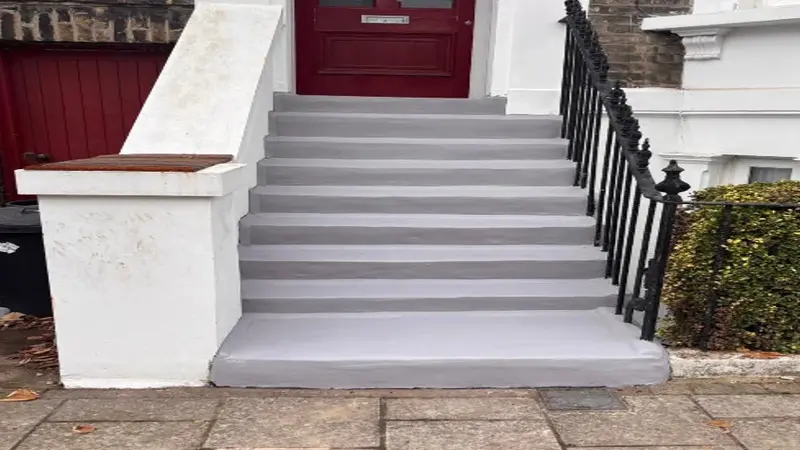
The appropriate repair method will be governed by the cause. Common repair methods include:
- Repairing leaks, such as using specialist repair material.
- Waterproof membrane or surface.
- Improve and provide space for your new drainage system, or fix the French drainage system.
- Reconstruction or re-leveling of sunken steps.
- Masonry and joint repairs or replacements.
It is advisable to have a professional inspection so that the right solution can be selected.
How To Prevent Future Leaks
Just after the fixing of the problem, the following actions will be able to assist you in stopping the issue from returning:
- Cleaning the drains and the gulley areas of all dirt and the like, and allowing water to pass through them easily and without any hindrance.
- Inspect the gutters and downpipes in the neighborhood to ensure that they are working properly.
- The concrete will be resealed when necessary.
- One thing to do once you notice a crack is to repair it.
Need Help in London?
Neglected leaking concrete steps will eventually cause more damage and thus lead to worse consequences in terms of safety and expensive repairs. Elite Asphalt Services provides professional concrete repair, waterproofing methods, and appropriate drainage setup throughout London. First, their crew evaluates the situation thoroughly, finds out the main reason, and then puts in place strong and permanent solutions. Your concrete steps will be restored with professional help in terms of strength, stability, and protection for a long time.