
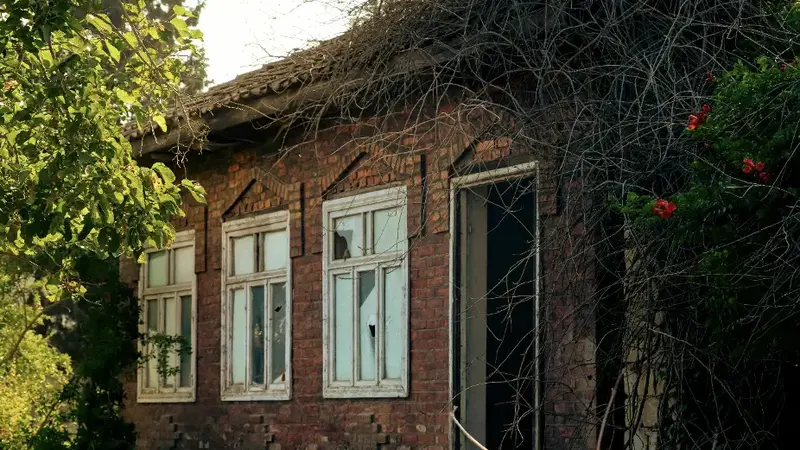
Most homeowners don’t notice problems when they start. They notice them when something finally slows them down.
As homes age, this kind of wear becomes more common. Systems don’t fail all at once. They drift. Parts loosen. Performance changes. The house still works, technically, but it asks for more patience than it used to. Paying attention early keeps small shifts from turning into bigger repairs that interrupt daily life instead of quietly supporting it.
Subtle Changes in Electrical Performance
Electrical systems rarely announce trouble in obvious ways. What shows up first are small inconsistencies. Outlets that feel warm. Breakers that trip without a clear reason. Lights that dim when larger appliances start running.
These signs don’t always mean something is about to fail, but they do suggest strain. Homes built years ago weren’t designed for the number of devices most people use now. Chargers, streaming equipment, home offices, and smart devices all add load. Over time, wiring and panels feel that pressure.
When these changes are ignored, the system compensates until it can’t. Watching for these early shifts allows adjustments to be made before safety or reliability is compromised.
Garage Doors
Large moving systems like overhead door systems tend to show their age through behavior before they break outright. A door that once moved smoothly starts sounding heavier. The motion becomes uneven. The opener hesitates or reverses unexpectedly.
Before thinking about replacement, it’s worth understanding what’s happening beneath the surface. Springs lose tension. Tracks shift slightly. Rollers wear down. None of this is visible at a glance, but it affects how the system handles daily use.
This is where attention matters. Well-maintained garage doors continue to operate quietly and safely even as a home ages. When early signs are ignored, small mechanical wear often leads to larger failures that interrupt routines and raise safety concerns. Watching how the system moves, not just whether it opens, makes a real difference.
Plumbing Pressure and Drain Behavior
Plumbing problems start with pressure changes and slow drains. Faucets that sputter. Showers that take longer to warm up. Drains that hesitate before clearing. As pipes age, mineral buildup narrows the flow. Small leaks develop at joints. Water pressure compensates until it can’t. These changes often happen slowly enough that homeowners adjust without realizing it.
HVAC Performance Shifts
Heating and cooling systems show age through effort. The system runs longer. Temperature takes more time to adjust. Some rooms feel comfortable while others don’t. Long-term changes often point to duct issues, aging components, or insulation settling where it shouldn’t. The system still works, but it’s working harder. When energy bills rise without a change in usage, it’s usually the system compensating for inefficiencies. Watching runtime and consistency matters more than waiting for a breakdown.
Exterior Seals and Weather Boundaries
Homes rely on seals more than people realize. Around windows. Along the doors. Where materials meet. These boundaries keep air, moisture, and temperature controlled.
As materials age, seals dry out and shrink. Gaps appear slowly. Drafts creep in. Moisture finds paths it didn’t have before.
The problem with boundary failures is that they rarely stay contained. Moisture leads to rot. Air leaks stress HVAC systems. Small gaps invite pests. Walking the perimeter of the home once or twice a year catches these issues before they spread.
Flooring and Structural Movement
Floors tell stories. Creaks appear. Tiles shift. Boards separate slightly. These changes don’t always mean structural problems, but they do reflect movement.
Homes settle over time. Materials expand and contract with the seasons. When changes stay small and stable, they’re usually harmless. When they accelerate or spread, they deserve attention.
What matters is the pattern. A single squeak is noise. A growing area of movement suggests something beneath is changing. Catching that early keeps repairs focused instead of invasive.
Roof Wear Beyond Visible Damage
Roofs don’t fail dramatically. They lose effectiveness slowly. Shingles thin. Flashing loosens. Drainage patterns change. Leaks often appear long after the damage begins. By the time water shows up inside, insulation and decking may already be affected.
Watching the roof means paying attention after storms, but also noticing how quickly water clears and whether debris builds up in the same spots repeatedly. These small signs often point to areas where wear is accelerating.
Water Heater Behavior
Water heaters age quietly. Recovery time increases. Temperature fluctuates. Sediment builds up. Most homeowners don’t think about the water heater until it fails, but early signs usually appear months or years ahead. Popping sounds. Rust-colored water. Inconsistent heat. Routine checks extend lifespan, but awareness matters just as much. A failing water heater doesn’t just inconvenience. It risks water damage that spreads quickly.
Doors and windows losing alignment
Doors and windows reflect how a house moves over time. Frames shift. Latches mis-align. Locks require more force. These changes are often dismissed as minor annoyances, but they indicate settling or material movement. When alignment issues spread across multiple openings, it’s a sign the structure is adjusting in ways worth monitoring. Addressing alignment early prevents damage to frames and hardware that becomes more expensive to correct later.
Homes communicate through small signals. Sounds change. Movement feels different. Systems behave slightly off. The biggest mistake homeowners make is waiting for a clear failure. By then, options narrow and costs rise. Paying attention to early shifts keeps control in the homeowner’s hands.