
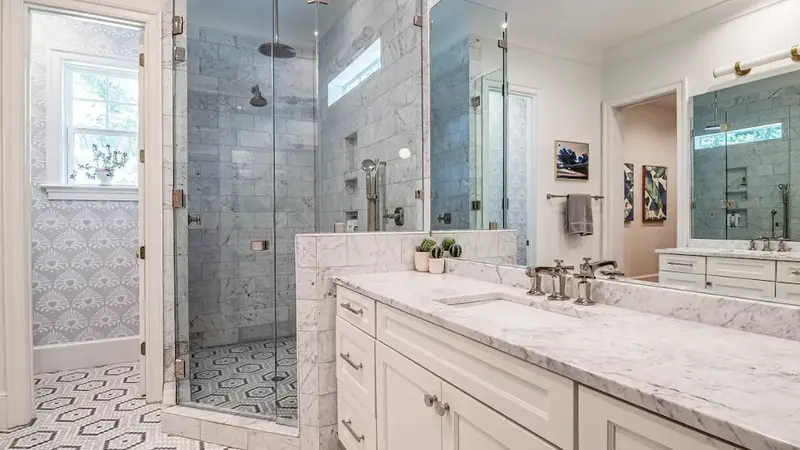
The way a space is used every single day applies gradual pressure that no inspection report or first impression can fully capture. A room that looks solid on move-in day may respond very differently once real life settles in and routines repeat without pause.
Modern living places heavier demands on homes than many designs were originally meant to handle. Bathrooms run multiple times a day, doors open and close endlessly, ventilation systems work harder as spaces stay occupied longer, and plumbing systems respond to constant use rather than occasional demand. These patterns do not create problems overnight, but expose them gradually.
Wear Patterns in High-Moisture Rooms
Rooms that combine constant movement with regular moisture exposure tend to show stress earlier than the rest of the home. Floors lose their firmness, finishes dull faster, and surfaces begin to feel tired even if they still look acceptable at a glance. The repeated cycle of moisture, heat, and foot traffic creates conditions where small weaknesses become visible through subtle changes rather than dramatic failure.
Bathrooms take the lead here. Daily showers, fluctuating humidity, and frequent cleaning place steady pressure on materials and layouts. Grout darkens, flooring edges soften, and storage areas struggle to stay dry. These signs often appear long before a homeowner considers the space problematic, yet they point clearly to limits in how the room was built or finished.
In many cases, bathroom remodeling becomes less about appearance and more about correcting what daily use has revealed. Updated layouts, better material choices, and improved moisture handling allow the space to support real routines without constant maintenance.
Why Doors and Drawers Tell an Honest Story?
Doors and drawers interact with people more than almost any other element in a home. They open and close without thought, dozens of times each day, absorbing force, movement, and minor misalignment repeatedly. Because of that, they become early indicators of deeper issues related to installation quality, framing, or wear. A drawer that no longer glides smoothly or a door that needs an extra push to latch often signals subtle changes in the surrounding structure. Wood shifts slightly. Hinges loosen. Frames move just enough to disrupt alignment.
The honesty of doors and drawers comes from repetition. They do not hide stress well because they are constantly in use. When they begin to resist movement or show uneven wear, they reveal where tolerance has been exceeded.
How Ventilation Performance Shows Its Limits
Ventilation systems often appear functional until they are tested by daily use. A fan that clears steam quickly during occasional use may struggle once humidity becomes a constant presence. As such, lingering moisture, stale air, and temperature imbalance expose whether ventilation was designed for real conditions or ideal ones.
Bathrooms, kitchens, and laundry areas place particular strain on airflow systems. When ventilation underperforms, signs appear quietly. Mirrors fog longer. Odors linger. Surfaces take longer to dry. These are not dramatic failures, but they indicate that the system is working beyond its comfortable range. Everyday use reveals ventilation limits because it removes the pauses that systems rely on to recover.
How Plumbing Use Reveals System Strain
Plumbing systems respond directly to routine. Pressure changes, drainage speed, and sound all show how well the system handles ongoing demand. A system that functions adequately during low use may behave very differently once showers, sinks, and appliances operate in close succession day after day.
Strain often appears as inconsistency rather than failure. Water pressure fluctuates. Drains slow slightly. Pipes become noisier. These signs indicate that the system is compensating rather than operating smoothly.
Routine use exposes plumbing limitations because it removes downtime. Systems are asked to perform repeatedly without extended rest. Observing how plumbing responds during peak routines provides insight into whether it was designed for current needs or stretched beyond its original scope.
How Fixture Stability Changes with Use
Handles, faucets, towel bars, and mounted accessories absorb repeated movement that slowly tests how well they were installed and what they are anchored to. A fixture rarely fails suddenly. Instead, it loosens gradually, developing a slight wobble that grows more noticeable over time.
This movement often points to more than the fixture itself. Fasteners may no longer grip securely. Wall materials behind the surface may be softening. In some cases, the original installation did not account for frequent use. Everyday interaction exposes these weaknesses because fixtures are pulled, twisted, and leaned on without conscious restraint.
What Entryways Reveal About Overall Wear?
Entryways experience concentrated movement, dirt transfer, and environmental exposure, which makes them one of the most reliable indicators of overall home wear. Flooring wears faster here. Trim absorbs impact. Hardware gets used constantly. The condition of an entryway often mirrors how well the rest of the home handles daily traffic.
Because entryways connect interior and exterior environments, they absorb stress from both sides. Moisture from shoes, temperature changes, and repeated opening and closing of doors all converge in this space. When entryways begin to look worn ahead of other areas, they reveal where materials and design are being pushed beyond their comfort zone.
Where Maintenance Gets Postponed
Utility spaces, secondary bathrooms, storage rooms, and tucked-away corners often remain functional enough to ignore. Small issues sit unresolved because they do not demand attention right away.
Over time, postponed maintenance compounds. What began as minor wear turns into larger repairs once access becomes necessary. Every day use exposes these weak points indirectly, as issues spread into more visible areas. Recognizing where maintenance is consistently delayed helps homeowners identify patterns that influence long-term condition more than any single repair decision.
Everyday use tells a story that home finishes cannot hide. Weak points reveal themselves through wear patterns, subtle changes, and gradual performance decline rather than dramatic failure. Homes respond honestly to how they are lived in.