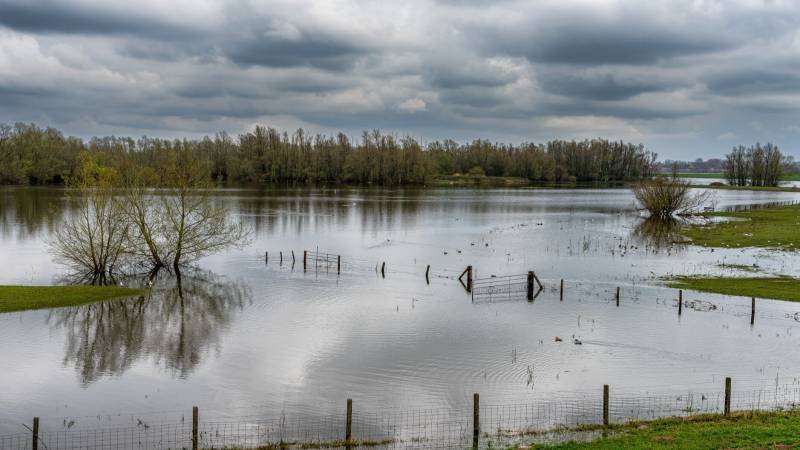
For potential homeowners, especially in areas prone to water-related incidents, understanding flood zones is crucial to making an informed property purchase. Accessing reliable data, such as information about Brisbane Flooding, is important for assessing risks and understanding property safety.
What are Flood Zones?
Flood zones are specific areas classified by the possibility of flooding, based on historical data and scientific predictions. They indicate the risk level a property may face during a flood event. Knowing the classification of the flood zone where a property is located helps buyers anticipate challenges related to insurance, property value, and potential damage.
Types of Flood Zones
Flood zones are categorised by government agencies such as the Federal Emergency Management Agency (FEMA) or local governing bodies. Common classifications include zones A, B, C, X, and shaded X. Zone A represents areas with a high likelihood of flooding, usually requiring homeowners to carry flood insurance. Conversely, zones C and X represent areas with minimal flood risks, where flood insurance may not be required but still recommended.
Importance of Accurate Flood Data
Reliable flood data is essential for homeowners to make educated decisions about buying property. PropCheck provides a comprehensive platform for accessing detailed flood information, helping buyers to understand potential water risks. By leveraging databases and historical records, PropCheck assists in evaluating the safety of a location regarding precipitation, surface water, and tides.
Impact of Flood Zones on Property Insurance
Flood zone classification significantly impacts home insurance costs. Properties in high-risk areas usually incur higher premiums compared to those in low-risk zones. Understanding this beforehand can help in financial planning and weighing the pros and cons of purchasing in a particular flood-prone area.
Flood Zones and Real Estate Value
The presence of a property in a flood zone can affect its market value. Buyers tend to be wary of potential flooding risks, leading to lower demand for homes within high-risk zones. Consequently, the selling price can decrease, impacting the property market in areas prone to flooding. On the other hand, some buyers may take advantage of the lower prices to access affordable housing, provided they are well-prepared for potential flooding issues.
Environmental Changes and Flood Risks
With climate change accelerating, areas previously not at risk are experiencing flooding. Sea level rise, increased storm intensity, and changing precipitation patterns are altering flood plains and zones, extending into locations once considered safe. Buyers should be vigilant and undertake regular review of updated flood zone maps.
Consulting Professionals for Flood Zone Insights
Real estate agents, surveyors, and property report services can offer valuable insight into flood zones. They possess knowledge and expertise to interpret complex flood maps and data. Using services like Logan Flooding, buyers can receive detailed flood assessments specific to particular regions, aiding in comprehensive decision-making.
The Role of Local Government
Local governments play a significant role in managing and updating flood data. They conduct surveys and analyses to continually update flood maps, reflecting current conditions and predictions. Cooperation with such entities ensures that homeowners have the most recent and relevant information for their property needs.
Flood Risk Preparation
Regardless of the flood zone classification, preparation remains key for all homeowners. Utilising flood-resilient construction, purchasing adequate insurance, and having an emergency response plan are important steps in mitigating flood damage and ensuring the safety of residents.
Investment Considerations in Flood Zones
Property investors must also take into account flood zone data to make sound investment decisions. Due diligence involves an in-depth analysis of flood risks, ensuring that investment in infrastructure and properties will not lead to significant financial losses in the event of a flood.
Conclusion: Weighing the Risks and Rewards
Purchasing property in a flood zone requires careful consideration and thorough research. The risks of damage and higher insurance must be weighed against the potential for affordable housing options. By employing tools like PropCheck and consulting experts, buyers can confidently navigate the complexities associated with flood zones. See more.