
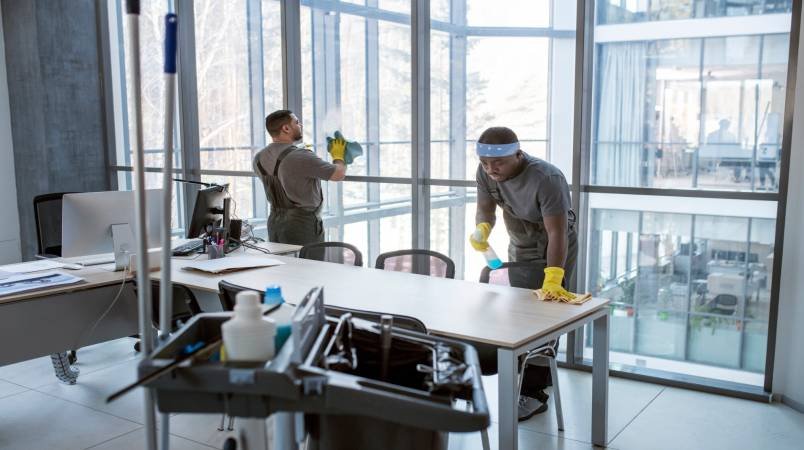
Maintaining a clean and hygienic workspace is crucial for the productivity and wellbeing of employees, as well as for creating a positive impression on clients and visitors. For businesses in Adelaide, optimising commercial cleaning practices is essential to ensure a safe and inviting environment. Engaging professional services specialised in commercial cleaning in Adelaide can deliver comprehensive solutions tailored to business needs.
Understanding the Importance of Commercial Cleaning
Commercial cleaning goes beyond basic tidying and requires a systematic approach to eliminate dirt, allergens, and pathogens from workplaces. This process helps reduce the transmission of illnesses, supports compliance with health and safety standards, and contributes to the overall maintenance of the facility.
Assessing Cleaning Requirements
One of the initial strategies involves conducting a thorough assessment of cleaning requirements specific to the business. Factors to consider include the size and layout of the premises, foot traffic, type of industry, and areas with higher contamination risks such as restrooms and kitchens. A customised cleaning plan enables effective resource allocation and frequency adjustments.
Employing Professional Cleaning Services
Outsourcing to reputable commercial cleaning providers in Adelaide ensures expert handling of cleaning tasks using trained personnel and appropriate equipment. These professionals are familiar with effective cleaning agents and techniques that comply with local regulations and environmental standards. Their expertise optimises results and guarantees consistent quality.
Implementing Regular Cleaning Schedules
Establishing and adhering to regular cleaning schedules is vital for sustaining cleanliness levels. Daily cleaning routines address immediate concerns such as surface disinfection and waste removal, while periodic deep cleaning targets less accessible areas and accumulated grime. Scheduling accounts for operational hours to minimise disruption.
Focusing on High-Traffic and High-Touch Areas
Special attention must be given to areas frequently used by employees and visitors, including entrances, elevators, light switches, door handles, and communal spaces. These zones are hotspots for germs and require frequent sanitation to mitigate infection risks and maintain a healthy environment.
Using Environmentally Friendly Cleaning Products
Adopting eco-friendly cleaning agents is a strategic choice that benefits both the environment and occupant health. Biodegradable and non-toxic products reduce chemical exposure while effectively managing microbial contamination. Many Australian cleaning firms offer sustainable options aligned with corporate social responsibility goals.
Incorporating Technology in Cleaning Processes
Advanced cleaning technology, such as HEPA vacuums, electrostatic sprayers, and automated floor scrubbers, enhances efficiency and thoroughness. Technology integration reduces manual labour and improves the sanitisation of complex surfaces and large areas, ensuring superior outcomes.
Training and Supervising Cleaning Personnel
Comprehensive training equips cleaning staff with knowledge about safe handling of chemicals, equipment operation, and hygiene protocols. Continuous supervision and quality checks maintain service standards and allow timely identification of any issues requiring corrective action.
Monitoring and Feedback Mechanisms
Establishing monitoring systems and soliciting feedback from building occupants facilitate ongoing improvement of cleaning services. Surveys, inspections, and incident reports help assess the effectiveness of current strategies and guide necessary adjustments.
Ensuring Compliance with Health and Safety Standards
Commercial cleaning must adhere to Australian health and safety regulations to safeguard both workers and building users. Keeping updated with legislative changes and implementing recommended practices is critical for legal compliance and risk management.
Waste Management and Recycling Initiatives
Effective waste disposal and recycling protocols contribute to environmental stewardship. Separating waste streams and utilising designated bins promote responsible management that aligns with sustainability objectives.
Emergency Cleaning Plans
Businesses should develop contingency plans for urgent cleaning requirements arising from incidents such as spills, contamination events, or pest infestations. Rapid response minimises operational downtime and maintains workplace safety.
Cost Management and Budgeting
Strategically planning cleaning activities with cost considerations ensures that services remain affordable without compromising quality. Regular reviews help identify opportunities for optimisation and cost savings.
Conclusion
Employing effective commercial cleaning strategies in Adelaide demands a holistic approach that integrates professional expertise, tailored planning, technological innovation, and environmental responsibility. By prioritising cleanliness and hygiene through structured efforts, businesses can create safer, healthier, and more productive workplace environments. See more.