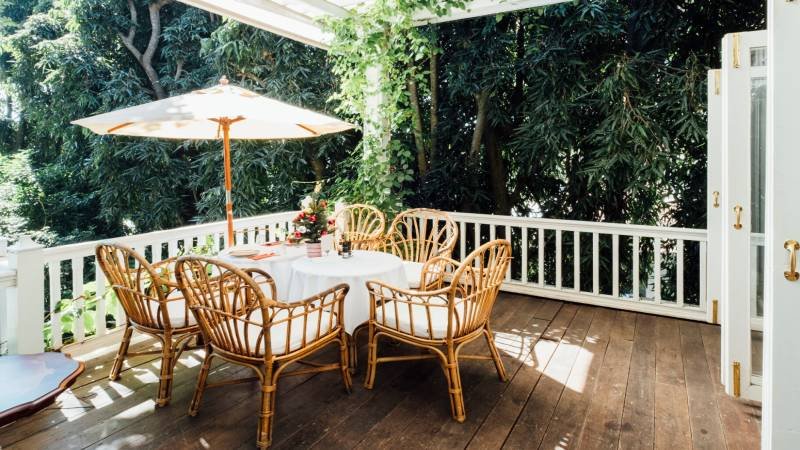
A patio can reflect your personality just as much as your living room or bedroom. The furniture you choose, the way you arrange plants, and even the small details on a table can change how the space feels. Instead of following every decorating trend, you can create an outdoor area that fits your routine, your home’s design, and the amount of time you want to spend maintaining it.
When planning patio decoration, think about the experience you want to create. Perhaps you need a peaceful place to enjoy your morning coffee, a comfortable corner for weekend conversations, or a flexible area where children can spend time outdoors. Once you understand the purpose, choosing decorations becomes much easier.
Start by Finding the Best Spot for Seating
Before choosing cushions or buying a new table, observe how sunlight moves across your patio during the day. A location that feels pleasant in the morning may become too hot in the afternoon. Wind direction, nearby windows, and access to the house can also affect your layout.
Try arranging your main seating area where people can enjoy the space without facing direct sunlight for long periods. If the patio is connected to the kitchen, placing a dining table nearby may make outdoor meals more convenient. For a quiet reading corner, a chair positioned away from busy pathways may work better.
Use temporary furniture arrangements before making permanent decisions. Moving a chair or table a few times can help you discover a layout that feels natural without spending extra money.
Give Old Furniture a New Purpose
You do not always need to purchase a complete outdoor furniture set to improve your patio. Look at the items you already own and decide whether any can be repaired, refreshed, or used differently.
A small wooden table might become a useful place for drinks and books. A sturdy bench could provide extra seating along a wall. An old cabinet, if properly adapted and protected for outdoor conditions, may offer storage for gardening supplies.
Check each item carefully before using it outside. Indoor furniture may not withstand rain, humidity, or strong sunlight. Suitable protective finishes can help with some materials, but they do not make every piece weatherproof.
If you decide to buy new furniture, focus on comfort, durability, and size. A smaller collection of useful pieces can make a patio feel more open than a crowded arrangement filled with decorative furniture.
Create a Plant Arrangement With Different Heights
Plants can help an outdoor space feel less rigid, especially when the patio has a large paved surface. Instead of placing every pot in a straight line, arrange containers at different heights to create a more natural appearance.
Use a few larger plants near corners, medium containers beside seating, and smaller pots on suitable stands or tables. Keep enough open space around doors and walkways so that the plants do not interfere with movement.
Consider the conditions each plant needs. A sunny patio may support varieties that prefer bright light, while a covered area may be better for plants that tolerate shade. Check the mature size of each plant before buying it, since a small nursery plant may eventually need much more room.
Choose containers that suit the design without making plant care difficult. Drainage holes are important for many outdoor plants, and saucers should be managed carefully so excess water does not damage nearby surfaces.
Use Small Decorative Details With a Purpose
Small accessories can make a patio feel personal, but too many objects may create clutter. Choose decorations that add something useful or meaningful to the space.
A tray can keep drinks together on an outdoor table. A weather suitable lantern may create a pleasant evening atmosphere. A patterned cushion can introduce color without requiring changes to the entire furniture arrangement.
You can also display a few items connected to your interests, such as handmade pottery or a planter you painted yourself. These personal touches can give the space character without making it look like a showroom.
Before adding an accessory, consider where it will be stored when the weather changes. Delicate decorations may need to come indoors during rain or strong winds. Selecting practical items from the beginning can save time later.
Make a Small Patio Feel More Open
Limited space does not mean you have to give up comfort or attractive design. The key is to avoid blocking the areas people use most.
Choose furniture with a compact shape and leave the center of the patio as open as possible. Folding chairs can be stored when they are not needed, while a narrow bench may provide seating without occupying the same amount of room as several separate chairs.
Vertical decoration can also help. Wall mounted planters, suitable hanging containers, and outdoor wall art draw attention upward instead of filling the floor with objects. Make sure anything attached to a wall is securely installed and appropriate for outdoor conditions.
Light colors can help the area feel brighter, particularly when the patio receives limited sunlight. Mirrors should only be used outdoors when they are designed for the location and securely mounted.
Design a Patio That Works After Sunset
If you want to use your patio in the evening, think about lighting before finishing the decoration. The right arrangement can make the area easier to navigate and more comfortable for relaxing.
A wall light near the entrance can provide practical illumination. Softer lights around the seating area may create a relaxed setting, while suitable pathway lights can make changes in floor level easier to see.
Avoid relying on decorative lights alone where people need to walk safely. Steps, edges, and entrances should remain clearly visible. Use products designed for outdoor environments and follow installation instructions carefully.
You can also consider how the patio looks from inside the house at night. A well arranged seating area or a few illuminated plants may provide an attractive view through the windows without requiring elaborate decorations.
Choose Colors Based on Your Home
A patio does not need a completely separate color scheme from the rest of your property. Connecting outdoor colors with the home’s exterior can make the overall design feel more considered.
Start with the colors already present in the walls, flooring, doors, and permanent furniture. Then select one or two additional shades for cushions, pots, and accessories.
For example, a home with warm brickwork may look good with natural wood and muted green accents. A modern exterior with gray surfaces may suit soft beige, white, or deep blue details. These are starting points rather than strict rules, so consider the actual lighting and materials before making your final choice.
Test colors with a few small accessories first. This gives you an opportunity to see how they look outside before committing to a larger purchase.
Keep Comfort in Mind During Different Seasons
A patio should be designed for the weather you experience, not only for the best days of the year. In warm climates, shade and airflow may matter more than thick cushions or heavy coverings. In cooler regions, sheltered seating and removable outdoor blankets may help extend the period when the space is useful.
An umbrella can offer flexible shade, while a suitable awning may provide coverage beside the house. Any permanent structure should be checked against local rules and installed to handle the conditions in your area.
Store fabric accessories when they are not needed, and check furniture for signs of rust, fading, or damage. Seasonal care can help preserve the appearance of your patio and reduce the need for replacements.
For more home styling inspiration, you can explore Decoradhouse. Use design references as a way to develop your own ideas, choosing only the features that suit your available space and daily habits.
Conclusion
A well decorated patio is not defined by the number of accessories it contains or the amount of money spent on it. Its success comes from how comfortably it supports everyday life. A thoughtful furniture arrangement, a few suitable plants, practical lighting, and personal decorative details can turn an ordinary outdoor area into a space you genuinely enjoy.
Begin with the features you already have, identify what needs improvement, and make changes one step at a time. When every choice has a clear purpose, your patio can become more attractive, easier to maintain, and better suited to your home.