
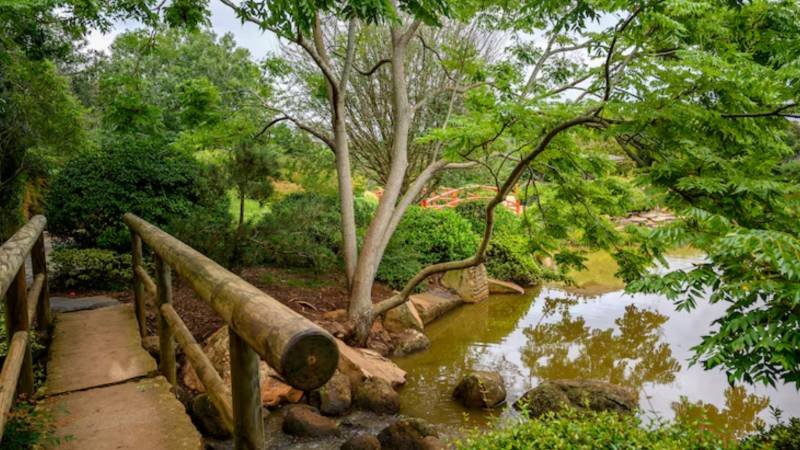
South Florida’s unique USDA Zone 10 and 11 climates require trees capable of handling intense heat, seasonal flooding, and high winds.
Important points:
- Native species provide unmatched ecological benefits, including wildlife support and natural hurricane resistance.
- Carefully vetted, non-invasive exotic trees offer unique architectural elements, vibrant flowers, and specialized growth habits without harming local ecosystems.
- Sourcing from a reputable wholesale trees nursery Florida ensures you receive healthy, climate-adapted plants for your landscape projects.
- The most successful subtropical garden designs strike a deliberate balance between regional natives and adaptable exotics.
Designing a lasting landscape in South Florida requires more than just picking beautiful foliage. The intense sun, sandy soils, and frequent tropical storms demand a highly strategic approach to plant selection. Property owners and landscape architects constantly face the question of whether to stick strictly to native species or incorporate exotic varieties.
Both categories bring distinct advantages to residential and commercial properties in this region. Native plants have spent thousands of years adapting to local weather extremes, while carefully chosen exotics can provide spectacular visual interest and architectural structure. By understanding the distinct roles each plays, you can build a vibrant, enduring outdoor space that thrives year-round.
Understanding the South Florida Growing Environment
South Florida presents a set of environmental conditions found almost nowhere else in the continental United States. Gardening here means navigating hot, humid summers, sudden heavy downpours, and fast-draining, nutrient-poor sandy soils. Coastal properties must also contend with salt spray and frequent high winds.
Because of these extremes, selecting the right USDA zone 10 trees is the foundational step for any successful planting project. Plants that flourish in northern or central parts of the state often struggle under the continuous heat of Miami, Homestead, or the Keys. You need species that naturally tolerate long periods of intense sun followed by seasonal wet-and-dry cycles.
Matching a tree to your specific site conditions ensures a healthier canopy and significantly reduces your long-term maintenance costs. Whether you are dealing with a dry upland pine rockland or a low-lying canalside lot, the growing environment dictates your best options.
The Core Benefits of Native Plantings
Native Florida trees are the undisputed champions of regional resilience. These species evolved alongside the local bugs, fungi, and weather patterns, giving them a natural advantage in the landscape. Once fully established, they generally require less irrigation and chemical fertilizers than imported varieties.
When you plant a Gumbo Limbo, Live Oak, or Dahoon Holly, you are actively restoring the natural ecosystem. Native trees provide essential food and shelter for local birds, butterflies, and pollinators that exotic plants cannot support. They also possess deep root systems and flexible wood that make them highly wind-resistant during tropical storms.
If your primary goal is to minimize watering and create a low-maintenance yard, natives should form the backbone of your design. They serve as highly resilient landscape plants that anchor the soil and provide lasting shade with minimal human intervention.
Non-Native Exotics: Adding Architectural Flair
While native species offer incredible stability, non-native tropicals bring unmatched aesthetic variety to the table. Many property owners want the dramatic floral displays of a Royal Poinciana or the sleek, sculptural look of certain tropical palms. These imported beauties can elevate a standard yard into an exotic garden retreat.
The primary concern when introducing outside species is understanding the difference between invasive vs exotic trees. Invasive species spread uncontrollably, outcompete local flora, and damage native ecosystems. Conversely, non-invasive exotics stay where you plant them and behave predictably within a managed landscape.
A responsible landscaping strategy often uses non-invasive exotics as striking focal points or specimen trees. Because many of these varieties originate from similar climates in the Caribbean or Central America, their subtropical tree adaptability is excellent. They thrive in South Florida’s heat and humidity while offering unique textures and colors that regional natives might lack.
Developing a Balanced Landscape Strategy
The most compelling garden designs rarely rely entirely on one strict category of plants. Landscape architects achieve the best results by layering native shade trees with vibrant, well-behaved exotic understory plants. This approach gives you the ecological stability of regional species alongside the bold visual impact of tropical imports.
When choosing landscape trees, start by planting large natives like the Bald Cypress or Sabal Palm to establish your main canopy and windbreaks. Once your structural framework is secure, you can fill in the mid-layer and accent areas with colorful, non-invasive exotics. This method creates a highly functional microclimate that supports local wildlife while satisfying your aesthetic goals.
Sourcing Quality Trees for Your Project
The health of your landscape begins long before the tree goes into the ground. Buying from big-box retailers often means purchasing plants grown in entirely different climates, leading to transplant shock and poor growth. It is highly recommended to work with local experts who understand the regional soil and weather conditions.
Partnering with a specialized wholesale trees nursery Florida ensures you are getting healthy, locally acclimated specimens. Experienced growers meticulously vet both their native and non-native offerings for disease resistance and climate suitability. This professional guidance helps you avoid invasive species and select the exact right tree for your specific yard layout.
Proper Planting and Maintenance
Even the most perfectly adapted tree will struggle if planted incorrectly. Always dig a hole twice as wide as the root ball but no deeper than the tree originally grew in its container. Leaving the root flare exposed prevents rot and encourages healthy structural growth from day one.
During the first year, both native and exotic trees require regular, deep watering to establish their root systems. Apply a thick layer of organic mulch around the base to retain moisture and regulate soil temperature, keeping it a few inches away from the trunk. As the trees mature, you can gradually reduce irrigation and rely more on the region’s natural rainfall.
Creating Your Perfect Subtropical Haven
Achieving a healthy, beautiful yard in South Florida does not mean you have to choose between ecological responsibility and stunning design. By thoughtfully blending regional natives with safe, well-adapted exotics, you create a dynamic and enduring outdoor environment.
Focus on matching every plant to its preferred light and moisture conditions, and always prioritize wind-resistant species for your largest canopy trees. With careful planning and high-quality stock from a dedicated local nursery, your landscape will thrive through the hot summers and tropical storms for decades to come. Let the unique character of Zone 10 guide your choices, and enjoy the process of cultivating your own beautiful piece of paradise. Se more.

