Timber frame homes appeal to buyers who want their home to echo old world craftsmanship coupled with the comforts and efficiencies of a modern home. Timber framing, an ancient building method, is relevant again as city dwellers and rural homeowners alike crave a greater connection to home. Modern/Traditional article – Subtitle/Link to Main: How these classic-style houses are making a comeback in New York, plus a look at always-popular traditional features; flexibility of design; energy efficiency; and why they create ‘a way of living unlike others.’
Timber Framing Heritage and Artisan
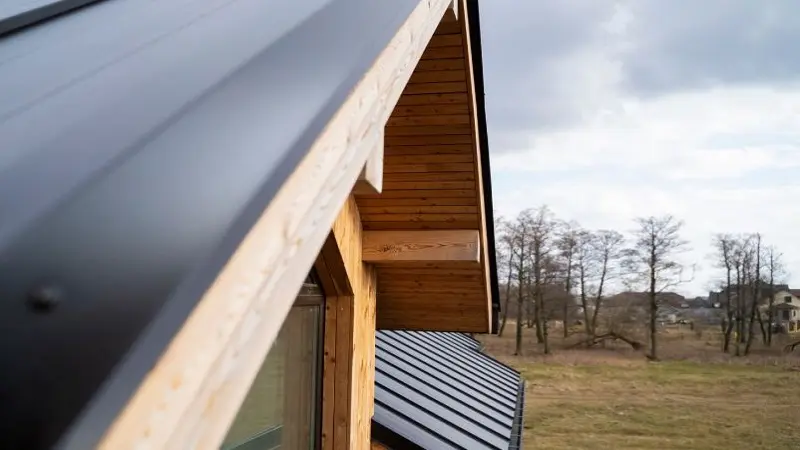
The concepts of timber framing have been around for centuries. Much of original timber frame is still left in NY, a sign of the durability and expertise of early builders. Timber frame houses do not use studframing as common in traditional stickbuilt homes but rather, large wooden beams connected by some sorts of mortise and tenon joint often pegged using wood dowles. This technique leads to open interiors and exposed frameworks that create a warmth and authenticity which is simply tough to reproduce with modern materials.
It takes highly skilled craftsmen to build timber frame houses. Some traditional joinery is still well-versed by master carpenters and builders today, meshing it with advanced engineering that can plain much higher integrity homes despite the wildly diverse climate New York offers. This craft is commonly associated with multi-generational knowledge, which in turn supports continuity and community-building for those who elect to construct timber frame or even restore such homes.
Architectural Flexibility and Customization
The design versatility of timber frame homes is one of their defining traits. The timber skeleton offers within wide open floor plans, allowing ample room for tall ceilings and large windows. Timber frame homes can be adorned to reflect many types of architectural expression as both rural and urban landscapes inspire homeowners in the Empire state, from rustic Adirondack style cabins to streamlined Hudson Valley getaways.
We are currently experiencing a wave of renovation and in keeping with that trend modern homeowners seem to be on the hunt for more customisation & timber frame homes offer a blank canvas for potential owners. Timber pairs very well with stone, glass or metal making it possible to blend the old and new. Homeowners may emphasize exposed beams and trusses, or add modern finishes that retain the old frame while giving it a more contemporary feel. Regardless of whether the goal is to maintain historic character or minimalist design, these homes gracefully adapt to shifting fads.
Sustainability and Energy Efficiency
Today, when more and more importance is given to environment friendly structures, timber frame construction system has become one of the most preferred as it is green in nature. Wood is a renewable resource–when sustainably sourced, it has orders of magnitude lower CO2 emissions than steel or concrete. A large number of New York builders are now using local timber, shortening transportation distance and bolstering regional forestry projects.
So consider energy-efficient timber frame homes. The heavy beam structures insulate naturally, while the form easily adapts to the latest energy systems. Commonly paired with timber frames, the structural insulated panel (SIP) is an extremely effective building envelope, leading to reduced heat loss during New York’s cold winters and cooler indoor air in summer.This approach allows timber frame homes in New York to meet or exceed stringent energy codes, while still honoring traditional construction methods.
Living Experience: Tradition Meets Modern Comfort
Arguably, the most appealing aspect of timber frame homes is their unique lifestyle. Exposed woodwork ushers in some character and warmth into these interiors. Open spaces filled with natural light have often got exceptional air high quality too — breathable constructing materials make for a more climate-friendly atmosphere. As someone who lives in a house, it is not an experience of texture or appeal but immersion—immersion in nature, in history, and the craftsmanship of artisans.
These homes also lend themselves to absorbing modern amenities. New builds and renos alike often incorporate smart home technology, radiant floor heating, and high-performance windows. The attention to detail at which this is incorporated into the buildings allows timber frame homes to boast all of the comforts that one would want with 21st century living whilst retaining its unique character.
Challenges and Considerations
Like all things, timber frame living has its advantages and disadvantages which future homeowners should keep in mind. Depending on the materials used and the level of craftsmanship involved, a timber frame can be more expensive up front than conventional building. However, most owners feel the lower energy costs and longevity more than outweighs the higher initial cost.
Maintenance is another key aspect. Of course, wood is treated nowadays to avoid insect infestations and not holding moisture but the issues can still occur when you endure weathering in New York. They take care to partner with seasoned builders and architects, so homes are built and cared for to last.
Timber Frame Homes New York — The Future
With the architectural trends moving in the direction of sustainability, authentic and personalized designs, timber frame homes will remain bright destined for the future. Areas such as the Hudson Valley, Catskills and Finger Lakes are seeing a uptick in demand for not just newly built homes but also renovated historic timber frame. Local builders and craftspeople still innovate, mixing the time honed with the high tech to meet changing demand.
Timber frame homes are still so desired in New York because they are not just dwelling places but unique pieces of art meticulously constructed and designed for beauty, comfort, durability, and value. Timber framing is the solution for maintaining a home fit that acknowledges history while moving forward into modern times. See more