
Outdoor spaces are being treated as practical extensions of the home. Local homeowners often want yards that feel comfortable, look polished, and remain manageable through changing seasons. The most popular landscaping ideas balance beauty with function, creating spaces that support daily routines, quiet relaxation, and casual gatherings.
Low-Maintenance Planting Plans
Many homeowners are moving away from complicated gardens that require constant attention. Instead, they prefer layered planting beds with hardy shrubs, ornamental grasses, perennials, and groundcovers. These choices offer texture, color, and structure without demanding frequent replacement or heavy upkeep.
Plant selection is often guided by climate tolerance, mature size, and water needs. A thoughtful mix can reduce pruning, limit soil erosion, and help beds look full through much of the year. This practical approach makes landscape design easier to enjoy over time.
Outdoor Living Areas With Everyday Purpose
Patios, seating zones, and dining areas remain strong priorities. Homeowners want outdoor rooms that feel natural, not overbuilt. Comfortable layouts, simple circulation, and durable surfaces help these areas work for morning coffee, family meals, or relaxed evenings outside.
Popular features include defined seating edges, privacy planting, shade elements, and lighting that supports safe movement. The best designs connect smoothly to the home, making the outdoor area feel convenient rather than separate from daily life.
Materials That Feel Natural and Durable
Neutral pavers, natural stone textures, gravel accents, and wood-inspired finishes are commonly used to create warmth. Homeowners often favor materials that age well and fit the surrounding architecture. A balanced material palette keeps the space calm and cohesive.
Permeable surfaces that help manage runoff
Textured paving for safer walking areas
Raised planters for structure and accessibility
Simple edging that creates clean garden lines
Water-Wise Landscape Design
Water efficiency has become a major part of modern landscaping ideas. Homeowners are choosing drought-tolerant plants, improved soil preparation, mulch, and smarter irrigation layouts. These choices help gardens stay healthier while reducing unnecessary water use.
Water-wise design does not mean plain or sparse. Seasonal blooms, layered foliage, and varied plant heights can create a lush look with fewer demands. The key is placing the right plant in the right location, based on sun, drainage, and exposure.
Privacy Without a Closed-In Feeling
Privacy remains one of the most requested landscape goals. Rather than relying only on solid fencing, many homeowners prefer a mix of screening plants, trellises, hedges, and vertical features. This creates a softer boundary while allowing light and air to move through the yard.
Layered screening can also improve the view from inside the home. Carefully placed trees or tall shrubs frame outdoor spaces, block unwanted sightlines, and add seasonal interest. This approach feels more natural than a single flat barrier.
Lighting That Adds Comfort and Safety
Landscape lighting is increasingly focused on subtle effects. Homeowners often want pathways, steps, patios, and key planting areas gently illuminated. Good lighting improves safety while giving the yard a welcoming atmosphere after dark.
Low-glare fixtures, warm tones, and restrained placement are preferred over bright, decorative lighting. The goal is to highlight useful areas and important features without overpowering the space. This makes evening use more comfortable and visually balanced.
Flexible Spaces for Changing Needs
Families often want yards that can adapt. Open lawn areas, movable furniture, wide patios, and multi-use garden zones allow outdoor spaces to serve several purposes. A single area might support play, entertaining, gardening, or quiet reading at different times.
Flexible planning also helps homeowners make better long-term decisions. Instead of filling every corner immediately, they can prioritize structure, circulation, and planting first. A reference collection of landscaping ideas can help organize preferences before details are refined.
Edible Gardens and Useful Planting
Vegetable beds, herb planters, berry shrubs, and fruiting plants are appearing in more residential landscapes. These features add purpose and enjoyment, especially when placed near patios or kitchen access points. Small edible gardens can fit neatly into raised beds or mixed borders.
Homeowners often combine edible plants with ornamental varieties for a softer look. Herbs can edge a walkway, berry shrubs can support a border, and compact vegetables can grow in containers. This keeps the garden attractive while adding everyday value.
A Balanced Approach to Curb Appeal
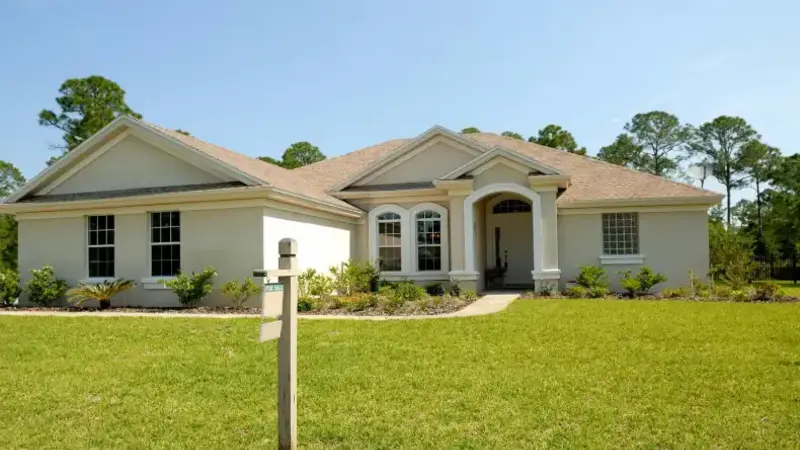
Front yards are becoming cleaner and more intentional. Homeowners favor defined walkways, healthy foundation planting, tidy mulch, and simple focal points. The trend is not about making the yard look formal, but about creating a welcoming entrance that feels cared for.
Good curb appeal starts with proportion. Plants should suit the scale of the home, paths should feel direct, and beds should be easy to maintain. A planning reference such as Project Landscape can support a clearer understanding of structure, function, and visual balance.
Design Choices That Age Well
The most loved landscape trends are practical, comfortable, and adaptable. Local homeowners are choosing designs that look attractive now and remain useful in the future. By focusing on plant health, durable materials, efficient water use, and flexible spaces, a yard can feel both current and lasting. See more.