
Moisture doesn’t kick the door down. It slips in quietly. A damp corner here. A weird smell there. Before you know it, you’re dealing with stains, warped floors, or air that just feels off. If you own a home in Kansas City, this hits close to home. Summers get sticky fast, and that humidity loves indoor spaces. Winters bring snow, ice, and melt-off that finds its way into places it shouldn’t. Both seasons push moisture into your house if it gets the chance. Keeping things dry isn’t about one big fix. It’s about smart repairs that stop water before it settles in.
This article walks through the repairs that matter most and how they help protect your home.
Early Signs Moisture Is Already Inside Your Home
Moisture usually gives hints before it causes real trouble. Walls look blotchy. Paint bubbles for no reason. Floors feel slightly soft underfoot. Sometimes it’s just a musty smell that won’t go away.
These signs matter. Moisture spreads once it gets in. It doesn’t stay put. The sooner you spot it, the easier it is to deal with. Ignore it, and you’re looking at bigger repairs later. Simple as that.
Fixing Visible Water Damage Before It Spreads
Can you already see water damage? If so, that’s your starting point. No shortcuts here. Damaged drywall, stained ceilings, or warped flooring won’t improve on their own. In fact, they usually get worse. Fast.
During Kansas City summers, indoor humidity makes things even messier. Damp materials hold moisture longer. That creates the perfect setup for mold to grow and spread. This is why proper cleanup matters. When it comes to water damage restoration KC (Kansas City) has specialists who know how to treat damaged areas fully. They won’t just dry the surface. They’ll help bring the space back to how you love it best. Plus, they’ll stop the problem from making its way deeper into your home.
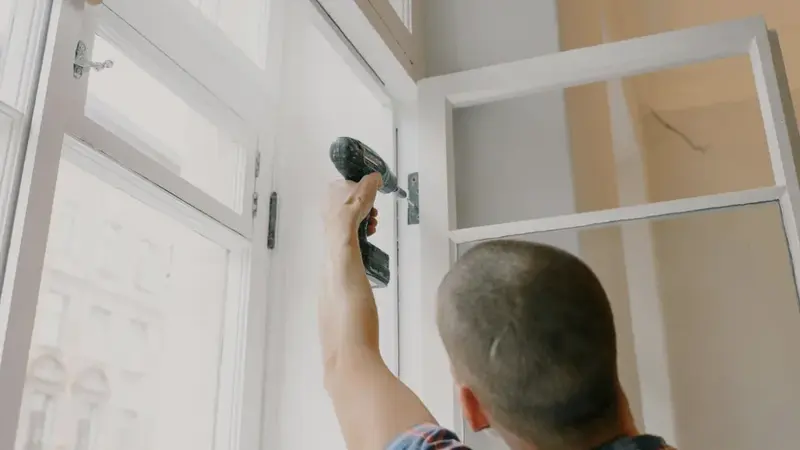
Sealing Cracks Around Windows and Doors
Windows and doors look solid, but small gaps tell a different story. When they’ve seen a few years, seals break down. Tiny openings form. Moist air slips right through.
Sealing those gaps helps more than you might think. It keeps moisture out, stabilizes indoor air, and makes the home easier to heat and cool. It’s a simple fix. Still, it does a lot of heavy lifting when it comes to moisture control.
Repairing Roof Damage Before Leaks Start
Roofs deal with everything. Rain, snow, heat, wind. There comes a time when they need some attention.
A loose shingle. Damaged flashing. A weak seam. All problems you need to take care of ASAP!
Water doesn’t need much space to get in. Once it does, it travels. By the time you see a ceiling stain, the damage is already done. Fixing roof issues early keeps moisture out of the attic and away from insulation and framing. Regular checks save a lot of hassle later.
Improving Drainage Around the Foundation
Water should move away from your house. Always. When it doesn’t, it builds up around the foundation and looks for a way in.
Downspouts that dump water too close. Soil that slopes the wrong way. Clogged gutters. Won’t be long before these small issues turn into big (and costly) problems. Fix them, and water will know where to go (nowhere near your home).
Less water near the house means fewer moisture problems inside.
Addressing Basement and Crawl Space Dampness
Did you know that your basements and crawl spaces hold onto moisture much longer than any other space? Why? Well, they’re dark, cool, and don’t get much airflow. Once moisture settles there, it doesn’t rush to leave.
Damp walls, condensation, or that heavy, earthy smell usually mean moisture is sticking around. Left alone, it creeps upward and affects the rest of the house. Sealing problem areas, improving airflow, and managing moisture at the source keeps it from spreading. When these spaces stay dry, the whole home’s happy.
Fixing Plumbing Leaks Before They Get Worse
Plumbing leaks don’t always announce themselves. Sometimes it’s just a slow drip behind a wall or under a sink. Other times, it’s a pipe sweating more than it should.
Even small leaks raise indoor moisture levels. They soak surrounding materials and weaken them. The solution is simple – fix those leaks as soon as they show up. It limits the damage and keeps humidity under control.
Improving Ventilation in Moisture-Heavy Areas
Bathrooms, kitchens, and laundry rooms – they see a lot of moisture. Steam builds up fast, especially without proper airflow. When that moisture has nowhere to go, it settles on walls, ceilings, and fixtures.
Good ventilation is the rescuer here. It helps move damp air out before it causes trouble. Exhaust fans that actually work save the day. Better airflow keeps surfaces dry and reduces the chance of moisture hanging around.
Moisture problems don’t come from one big failure. They come from small things adding up. A crack here. A leak there. The fix is staying ahead of it. Handle visible damage first. Seal the openings. Keep water moving away from the house. Do all of the above, and moisture has fewer chances to settle in. A dry home feels better, lasts longer, and costs less to maintain over time.