
The ability of drainage systems to protect properties is undeniably crucial. In both residential and commercial settings, ensuring the integrity of these systems plays a pivotal role in safeguarding structures from water damage and other detrimental effects of weather. External drains act as a formidable first line of defence against the relentless assault of environmental elements. Understanding how different weather conditions contribute to blockages is fundamental. This article delves into how weather impacts drainage systems and provides an overview of steps to clear outside drains when issues arise.
Heavy Rainfall and Hydraulic Overload
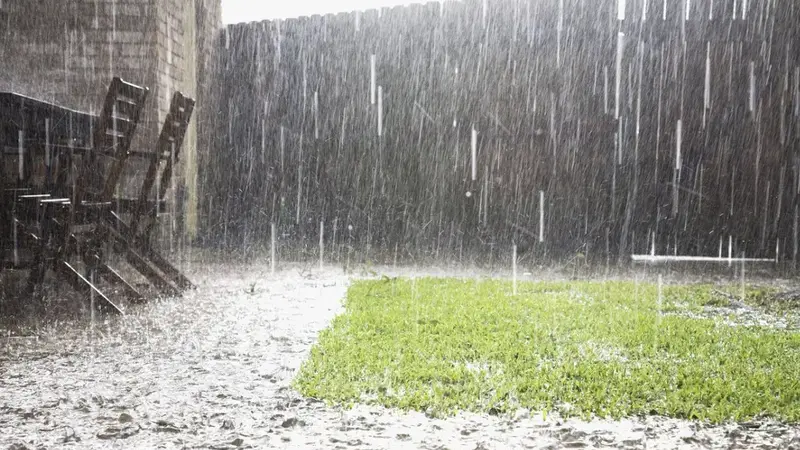
Heavy rainfall, though often welcomed by farmers, can pose significant challenges for drainage systems. When torrential downpours occur, they have the potential to dislodge silt, soil, gravel, and organic matter, sweeping these materials into grates and eventually forming subterranean “plugs.” Such build-ups can severely impair the system, leading to blockages that necessitate immediate attention to restore functionality.
Moreover, the sheer volume of water during a deluge can exceed a system’s capacity, creating pressure backflow. This condition disrupts the normal flow, often resulting in stagnant waterlogging. Without rapid intervention, this can lead to inconvenient and potentially costly situations. It’s important to acknowledge that this transition, from a well-functioning system to a compromised one, is not reliant on specific historical flood events but rather on the dynamics of the system’s capacity under stress.
Snow, Ice, and the Freeze-Thaw Cycle
Winter brings its own set of challenges to drainage systems. Snow, when compacted, can form physical barriers over drain covers. This prevents meltwater from properly escaping, which further complicates matters during rapid temperature changes. The constant freeze-thaw cycle is a natural but relentless process where water inside pipes freezes and expands, leading to potential cracks or even total collapse of drainage lines.
To mitigate the risk of such damage, a proactive approach is necessary during the winter months. This involves maintaining “entry points” by keeping them clear of ice buildup. Regular inspections and maintenance are essential to prevent obstructions and ensure that the system remains functional throughout winter.
Drought, Subsidence, and Ground Movement
Periods of prolonged drought have their own unique impact on drainage systems. The lack of moisture causes soil to contract, potentially leading to a shift in the alignment of underground pipes. Known as “bellies,” these are areas where pipes sag and collect debris, which can turn into stubborn blockages.
In search of moisture during dry spells, tree roots may infiltrate pipe joints. This intrusion causes blockages that are difficult to clear. Over time, such root invasions can challenge the long-term structural integrity of drainage systems, emphasising the need for ongoing monitoring and maintenance in drought-prone areas, rather than relying on specific regional data.
Seasonal Storms: Wind-Blown Blockages
Storms, particularly those accompanied by high winds, pose a multifaceted threat to drainage systems. Wind can strip foliage, branches, and other organic material, which often find their way into gully pots and external traps. These accumulate rapidly, leading to substantial blockages that impair drainage efficacy.
After any significant storm event, it’s prudent to conduct post-storm assessments. These inspections should focus on external hardware to ensure no structural damage has occurred, enabling swift rectifications where necessary. Over time, repeated storm cycles can strain and fatigue older drainage materials, potentially leading to failure without regular upkeep and timely replacements.
Practical Maintenance: Steps to Clear Outside Drains
Maintaining a functional drainage system involves systematic attention. An initial inspection is vital for identifying blockage locations, whether within the manhole or the gulley. Determining where the obstruction lies is the first step towards effective resolution.
For manual clearance, basic tools such as drain rods and pressure hoses are highly effective. These can be employed to fix blocked drains, ensuring that flow is restored promptly. Preventative measures are equally important. Implementing best practice features like leaf guards and silt traps can significantly reduce the impact of weather-related debris, minimising the frequency of clogs and prolonging the system’s lifespan.
Conclusion
Throughout the year, varying weather conditions impact the performance of drainage systems. Heavy rainfalls, winter freezes, prolonged droughts, and windy storms each contribute uniquely to potential degradation. By recognising these challenges, one is better positioned to schedule necessary maintenance proactively.
Understanding these dynamics plays a key role in preventing sudden emergencies and the subsequent high costs associated with repairs. Regular inspections, informed by weather patterns, ensure that drainage systems remain reliable and robust in protecting properties from the unpredictable whims of weather.