
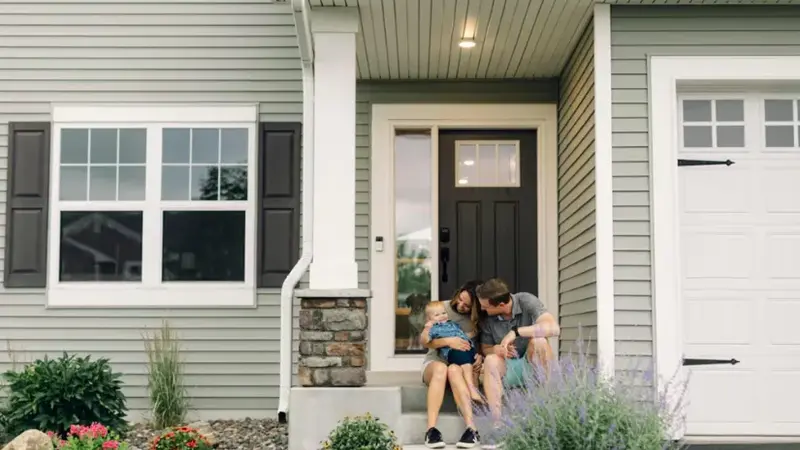
It’s one thing to design a home that works for your family right now. It’s another to plan one that still works when everything shifts — kids grow, work changes, and your routines strengthen. Whether you’re upsizing, building your first family place, or downsizing with grandkids in mind, how you plan the layout can make everyday life smoother for years to come.
There’s no universal blueprint for a “forever home,” but there are smart ways to design with longevity in mind. It’s less about cramming in every feature and more about making the space flexible, comfortable, and easy to live in — now and later.
Liveability starts with layout
Before you get into finishes or colour schemes, layout is where the real decision-making happens. It’s also where most regrets start if you don’t get it right.
Good layout doesn’t just mean open-plan living and lots of natural light (although those are nice). It’s about how people actually move through the home, how zones are separated or connected, and whether different ages or needs can function under one roof without stepping on each other’s toes.
You might want to keep young kids close now, but in a few years, they’ll want privacy — and so will you. That’s where things like bedroom zoning, dual living areas, or even small retreats can help. A study nook now could become a homework space later. A spare bedroom today might one day be a home office or a quiet room for elderly parents.
None of these ideas require more space — they just need better planning upfront. Thinking about flexibility in the layout, not just square metreage, sets up a home that doesn’t need a redesign every five years.
When size isn’t the entire story
It’s easy to assume that more space automatically means more comfort. But once you’re actually living in a home, it becomes clear that how the space is arranged matters far more than how big it is.
A smart floorplan with considered proportions often feels more comfortable than a larger home that’s poorly laid out. This is especially true in family builds, where everyday movement — from bedrooms to bathrooms to living zones — can either feel seamless or frustrating depending on the design.
That’s one of the reasons single storey home designs have stayed so popular with families across Australia. They’re easier to move through, often more energy-efficient, and make better use of block space. For families with young children or anyone planning to age in place, not having stairs is a clear advantage. There’s also less wasted space on landings or voids — just more usable rooms that connect well.
When you plan with layout in mind rather than just chasing extra rooms or oversized footprints, you usually end up with a more enjoyable home to live in. And that feeling tends to last a lot longer than any “wow factor” on paper.
Think about how life changes
No matter how carefully you plan, your life will shift. Kids become teens with louder music and later nights. Work setups that seemed temporary become permanent. You might even welcome extra household members later — parents moving in, or adult children moving back.
That’s why flexible spaces matter more than fixed-purpose ones. A rumpus room isn’t just a playroom; it might later double as a media room, guest area or second living zone. A wide hallway or extra-large laundry now might become a mobility-friendly asset in the future. Rooms with built-in versatility reduce the need for future renovations, even as your lifestyle changes.
It’s also worth thinking about storage while you’re in the planning stage. Built-in cabinetry, under-stair storage (if applicable), or extra linen space can make a big difference later on. As your household grows or changes, so will the amount of stuff you need to store — and nothing dates a home faster than clutter that doesn’t have a place to go.
Materials and fixtures that age well
Some design decisions are purely aesthetic, but others have long-term effects on durability, maintenance, and even energy bills. Choosing finishes that stand up to wear, weather and trends will keep your home looking good and functioning well years down the line.
Flooring is a good place to start. High-traffic areas like hallways and kitchens need surfaces that are tough but still comfortable underfoot. Walls painted in warm neutrals are easier to refresh than bold feature walls that age quickly. In bathrooms and kitchens, fixtures with clean lines and solid hardware tend to hold up better than trend-driven options.
Energy efficiency matters too. It’s not just about reducing your footprint — it’s about lowering future running costs. Things like passive orientation, good insulation, and quality glazing aren’t add ons. They’re smart investments in how the home will perform long-term, especially as energy prices shift.
Location still matters
Even with the best design and layout, a home that’s hard to live in because of where it’s located won’t feel right for long. Long school runs, limited green space, or being cut off from public transport can all turn small issues into daily frustrations.
That’s why it pays to weigh up where you build as much as how you build. Proximity to schools, shops, parks and community infrastructure should be part of your future-proofing plan. If you think you might stay in your home long-term, even into retirement, consider walkability and healthcare access as well.
Some builders offer more flexibility across different locations, so you’re not locked into a one-size-fits-all build. Beechwood Homes, for example, works across NSW and South Australia — which means you can choose a design that suits your lifestyle, then build it in a place that matches it.