
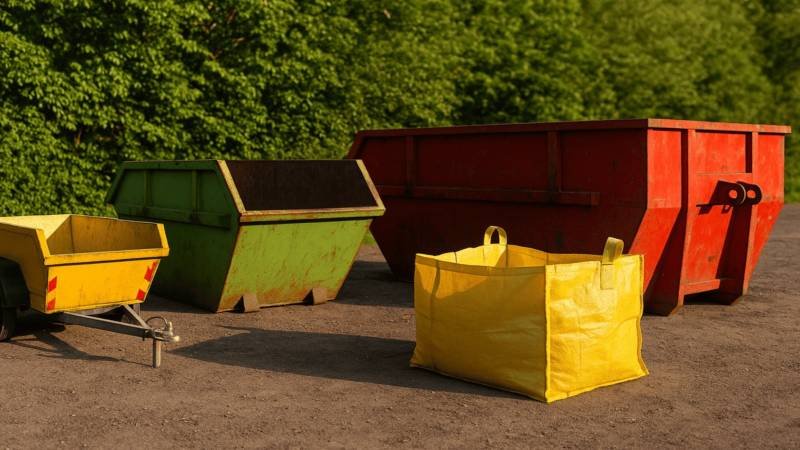
Choosing the right waste solution can make a clean-up, renovation, or landscaping project much easier. Before ordering
skip bins in adelaide it helps to know whaAdelaide,t questions to ask about bin size, accepted materials, hire periods, placement, and pricing. A little preparation can prevent unexpected costs and make sure the bin suits your project from the beginning.
Start by Identifying What You Need to Throw Away
The first question to answer is simple: What type of waste will you be disposing of?
Different projects produce different types of rubbish. A home renovation might generate timber, tiles, plasterboard, packaging, and old fixtures, while a garden clean-up could involve branches, leaves, soil, and other organic materials.
Knowing the waste category helps a skip bin provider recommend the right option. It also prevents you from booking a bin that cannot legally or safely accept certain materials.
Make a Waste List
Before contacting a provider, make a quick list of the main items you expect to dispose of. Include both ordinary rubbish and heavier materials such as bricks, concrete, soil, or rubble.
This gives the supplier a much clearer picture of your requirements than simply saying you have “a lot of rubbish.”
Choose the Right Bin Capacity
Bin size is one of the most important decisions when arranging waste removal. A container that is too small can leave you with excess rubbish, while an unnecessarily large bin may cost more than needed.
Think about the approximate volume of waste rather than just the number of bags you have. Bulky furniture, branches, and dismantled building materials can take up considerable space.
Don’t Forget About Heavy Materials
Volume is not the only consideration. Some materials are particularly heavy.
Concrete, bricks, soil, tiles, and similar construction waste can reach weight limits quickly. Before ordering, ask whether the bin has specific weight restrictions for the materials you intend to dispose of.
Ask Exactly What Is Allowed
One of the most useful questions to ask a skip bin company is:
“What can and can’t I put in the bin?”
Although skip bins are designed to handle a wide range of waste, certain materials may be restricted because they require specialist disposal or present environmental and safety risks.
Depending on the provider, prohibited materials may include hazardous chemicals, asbestos, certain liquids, gas cylinders, and other regulated waste.
Why Waste Restrictions Matter
Putting prohibited materials into a general waste bin can create additional charges or prevent the waste from being processed correctly.
If you are unsure about an item, mention it before booking rather than assuming it will be accepted.
Understand the Hire Period
Another important detail is how long you can keep the skip bin.
Some projects can be completed within a day, while renovations and property clear-outs may take considerably longer. Ask how many days are included in the standard hire period and what happens if you need the container for additional time.
Knowing this in advance allows you to organise your project around the bin’s availability.
Match Delivery With Your Schedule
Ideally, arrange delivery shortly before you expect to start producing significant amounts of waste.
Having the container delivered too early can take up valuable driveway or property space. Ordering it too late can result in rubbish piling up around the work area.
Think Carefully About Bin Placement
Where the bin will be positioned is another detail that should be considered before delivery.
The area needs to be accessible to the delivery vehicle and suitable for safely placing the container. Driveway width, gates, trees, overhead cables, walls, and other obstacles may affect access.
If you intend to place the bin on a public road or another restricted location, check whether local permission is required.
Prepare the Area Before Delivery
Clear vehicles, equipment, garden furniture, and other obstacles from the intended location.
A properly prepared space can make delivery faster and reduce the likelihood of access problems.
Ask for a Clear Price
Price comparisons can become confusing when different providers include different services in their quotes.
Instead of focusing only on the advertised starting price, ask what the final cost covers.
Important details may include:
· Bin delivery
· Collection
· Disposal fees
· Hire duration
· Weight limits
· Additional charges
· Special waste requirements
A straightforward quote makes it easier to compare providers accurately.
Watch for Additional Costs
Some charges may apply when a bin is kept beyond the agreed hire period, exceeds certain weight limits, or contains materials requiring special handling.
Asking about these possibilities before booking can help you avoid surprises later.
Find Out How Collection Works
The final stage of the process is collection, so make sure you understand how it works.
Some companies may automatically arrange collection after the agreed hire period, while others may require you to contact them when the bin is ready.
If your project finishes earlier than expected, ask whether you can request an earlier pickup.
Compare More Than Just the Cheapest Option
Price is important, but it should not be the only factor when selecting a skip bin provider.
Consider the company’s communication, available bin sizes, delivery flexibility, waste policies, collection arrangements, and overall transparency.
A provider that clearly explains its terms can save you considerable time and frustration.
Look for Responsible Waste Management
It can also be worthwhile asking how collected waste is processed. Companies that prioritise recycling and responsible disposal can help reduce the amount of material unnecessarily sent to landfill.
This is particularly relevant for renovation, construction, and large-scale clean-up projects that generate substantial amounts of waste.
Make Your Booking With Confidence
Once you know the type of waste, estimated volume, required bin size, hire period, placement location, and pricing structure, ordering becomes much easier.
The key is to ask questions before the bin arrives rather than trying to solve problems afterward. A few minutes of preparation can help ensure you receive a suitable container and avoid unnecessary complications.
Whether you are clearing out a home, renovating a room, maintaining a garden, or managing a larger commercial project, understanding your requirements is the first step toward efficient waste management. When you know what to ask, arranging a skip bin becomes a straightforward part of getting the job done. See more

