
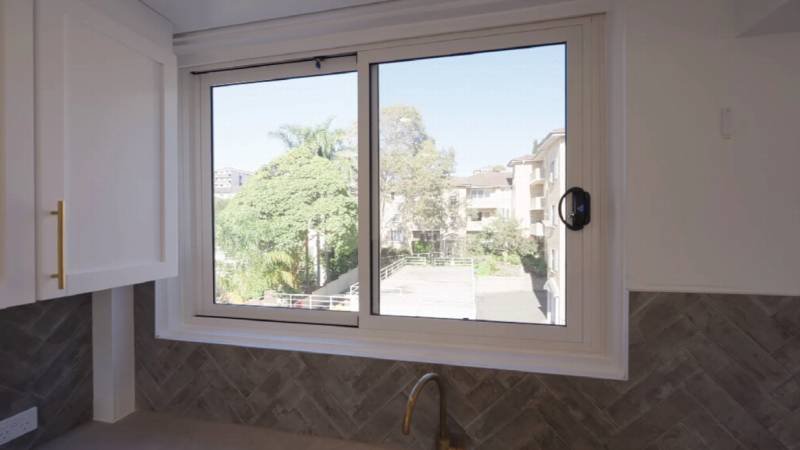
Outside noise can have a significant impact on how comfortable a home feels, particularly in busy residential areas. Traffic, construction activity, nearby businesses and neighbourhood sounds can easily become distracting when they regularly enter living spaces. While some noise is unavoidable, the type and condition of a home’s windows can influence how much external sound reaches the interior.
Modern window systems can help reduce unwanted noise by combining suitable glazing, well-designed frames and effective seals. For homeowners considering an upgrade, ATCO Windows serving St George provides a relevant starting point for exploring residential window replacement options. Understanding how different window components affect acoustic performance can help homeowners make informed decisions about improving indoor comfort.
Understanding How Outside Noise Enters Through Windows
Sound travels through the air as vibrations and can pass into a home through several parts of the building. Windows are one potential entry point, particularly when the glass is thin, the frames are poorly fitted or gaps allow outside air to enter. Even when a window appears to be closed, deteriorated seals and small openings around the frame can make it easier for external noise to reach indoor spaces.
Different types of noise can also behave differently. Higher-frequency sounds, such as some voices and sharp mechanical noises, may be easier to reduce than low-frequency sounds from heavy vehicles or machinery. This means that improving acoustic comfort requires more than simply installing thicker glass. The complete window system, including its glazing, frame construction, seals and installation, needs to be considered alongside the main sources of noise affecting the property.
Glazing Selection Plays an Important Role in Noise Reduction
The glass used in a window has a considerable influence on its acoustic performance. Standard single glazing may provide limited sound reduction, particularly when exposed to frequent traffic or other persistent noise sources. Modern glazing options can be selected to improve sound insulation, although the level of improvement depends on factors such as glass thickness, construction and the frequencies of sound being addressed.
Laminated acoustic glass is one option that may help reduce sound transmission. It contains an interlayer between sheets of glass that can dampen certain vibrations and improve acoustic performance. Different glass thicknesses and configurations may also be used to address particular noise conditions. Rather than assuming one type of glazing is suitable for every home, it is important to consider the surrounding environment and the acoustic performance required.
Double Glazing Does Not Always Deliver the Same Results
Double-glazed windows contain two panes of glass separated by a sealed space, which can provide benefits for thermal insulation and sound reduction. However, not all double-glazed units offer the same level of acoustic performance. The thickness of each pane, the width of the cavity and the use of laminated glass can all influence how effectively the system reduces different types of outside noise.
For example, using panes of different thicknesses may help address a broader range of sound frequencies compared with some configurations using identical panes. In certain situations, specialised acoustic laminated glazing may provide better results than a basic double-glazed unit. Homeowners should therefore compare tested acoustic performance rather than relying on the assumption that double glazing automatically offers the highest level of noise reduction.
Window Frames and Seals Are Just as Important
Even high-performance glazing can be less effective when installed in a poorly designed or deteriorated frame. Sound can travel through gaps around the window, reducing the overall acoustic benefit of the glass. Frames that do not close properly, damaged weather seals and poorly fitted components may allow both air and noise to enter the home. This is why the condition and construction of the complete window assembly matter.
Modern window systems can incorporate improved sealing arrangements and frame designs that help limit unwanted air movement. The effectiveness of these features depends on the window type, hardware and quality of installation. Homeowners experiencing noticeable draughts or noise around closed windows may benefit from having the frames and seals assessed before deciding whether repairs or complete replacement would be more appropriate.
Different Window Styles Can Affect Acoustic Performance
Window design can influence how effectively a window seals when closed. Some operable window styles use compression seals that are pressed firmly into place when the window is secured, while other designs rely on different sealing arrangements. The resulting acoustic performance depends on the quality of the complete system rather than the opening style alone.
Fixed windows may offer advantages in some applications because they do not require opening mechanisms, although ventilation needs must also be considered. Bedrooms, living rooms and other frequently occupied spaces often require a balance between noise reduction, natural airflow and everyday convenience. Choosing the right window style involves considering how the room is used, the surrounding noise conditions and any applicable ventilation or building requirements.
Professional Installation Helps Prevent Sound Leaks
The installation process is an important part of achieving the intended acoustic performance of replacement windows. Even a window with suitable glazing and well-designed seals may perform poorly if gaps remain between the frame and surrounding wall. Incorrect alignment can also affect how operable windows close, potentially allowing sound and air to pass through areas that should be properly sealed.
Professional installation involves checking the opening, positioning the frame correctly and using suitable sealing methods for the building and window system. Existing wall construction and surrounding materials may also influence the overall result. In some homes, external noise can travel through other building elements, so window replacement may improve comfort without eliminating every sound. Setting realistic expectations helps homeowners understand what an upgrade can achieve.
Conclusion
Modern windows can contribute to a quieter and more comfortable home by reducing the amount of external noise entering through window openings. Glazing selection, glass thickness, frame design, sealing performance and installation quality all influence the final result. Rather than focusing on a single feature, homeowners should consider how the complete window system responds to the particular noise conditions affecting their property.
Choosing suitable replacement windows can be especially valuable for homes near busy roads, commercial areas or other persistent noise sources. By assessing existing window conditions and comparing appropriate acoustic options, homeowners can make better-informed decisions about improving indoor comfort. While no window can guarantee complete silence, a well-selected and properly installed system can make everyday living spaces noticeably more pleasant. See more.