
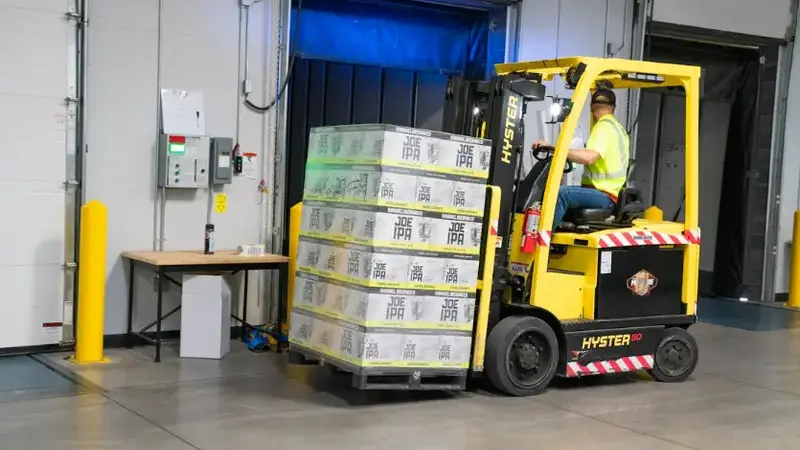
Some floors have it easy. Some are constantly beaten up since the doors opened. Imagine people walking around all the time, forklifts going up and down, trolleys turning this way and that, and equipment dragged where it likely should not be. The floor is never off duty in such places.
That is why an increasing number of commercial facilities are resorting to epoxy floors. These are not the ones applied as appliques. Epoxy flooring is designed, layer upon layer, to withstand pressure, abrasion, and repetitive punishment. But is epoxy waterproof? How is the system built? Is it good for your space? All these will be answered in the succeeding sections.
It’s Not Just About Footsteps
Not so easy, as it sounds, heavy traffic is not just the way of boots between points A and B. Point loads include the location of machinery, rolling weight of pallet jacks, vibration of equipment, and friction of rolling wheels in tight areas.
Eventually, barehanded policemen take it all on the jawbone. The wearing of the surface, the sharpness of the edges, begins, and minor defects begin to appear. That is the reality that is considered when establishing epoxy systems. They evenly distribute weight, resist grinding on the surface and maintain shape even in active use. That is the reason why they endure when common surfaces would crumble underfoot.
Where Science Gets the Job Done
Epoxy is not a material to dream about; it is the result of using its chemistry. It initiates two components, a resin and a hardener. After compounding they traffic and hook with each other into a thick film which hardens into what might easily be talked over as much more resistant than a mere paint coating.
Epoxy dons as a union instead of drying off. This is what gives it the strength to take the beating every day and not wear out or degenerate. Aspects of the chemistry that have been keyed into it include:
- Bullet compression strength which can withstand rolling loads without dinting.
- Constant movement causes resistance to surface wear.
- Good sticking to duly made concrete.
- Stability that can be depended upon to carry on.
No Fast Track to the Top
Ask any person who has observed floors failing prematurely, and they will always give the same answer. The fate of the prep work determines the result. Since epoxy requires biting, concrete must be ground and profiled.
The cracks are fixed, the weak points are handled, and the contaminants are eliminated before the occurrence of any other event. This leads to the system not getting a fair go without skipping these steps. Do them adequately and the epoxy will be incorporated into the floor instead of it being placed at the top.
One coat wouldn’t cut it
Epoxy floors that have been constructed to be heavy traffic are seldom an unlayered surface. Their work is more or less team based with distinct roles. There is an anchor that helps in cementing it. Coats of buildings increase volatility and robustness. Topcoats absorb the day to day punishment to allow the layers underneath to continue their service. In simple terms:
- The concrete is held by the primer and the surface is closed.
- Build Coats reduce wear and body force spreading.
- A high coat of fabric prevents abrasion and motion.
Tough Doesn’t Mean Slippery
Underfoot may as well be safe and at the same time a forceful floor. Aggregates/textures in epoxy systems can be used to enhance their grip without making the surface look like sandpaper. The traction depends on the space either dealing with moisture, spills or swift movement.
The goal is to have a balanced standing even under trying conditions when things are extremely busy. Nobody wants a road that becomes problematic when the traffic occurs. Durability with comfort and control is good news when engineered properly by epoxy.
Consistency Under Pressure
The first month is not the real ordeal of a heavy traffic floor. It is the way that it behaves over the years of exploitation. Epoxy floors have construction in such a way that they can sustain constant punishment without creating any weak points or eroding at an irregular pace. there are fewer tyre marks to be dealt with in a decreased amount of surface fatigue and constant performance. That reliability shows up as:
- Reduced decrease in surface breakdown with time.
- Few weak points developing in traffic.
- Day-to-day performance is more regular.
Wrapping Up: Engineering That Pays Off Every Day
Epoxy floors are getting their fame literally by intelligent design, sound preparation, and the chemistry that can work in the background. Not by chance, they are hard on purpose. Where there are constant movement and heavy load spaces, epoxy floors will provide a practical option with a long-lasting solution to keep operations running without hiccups. See more.