
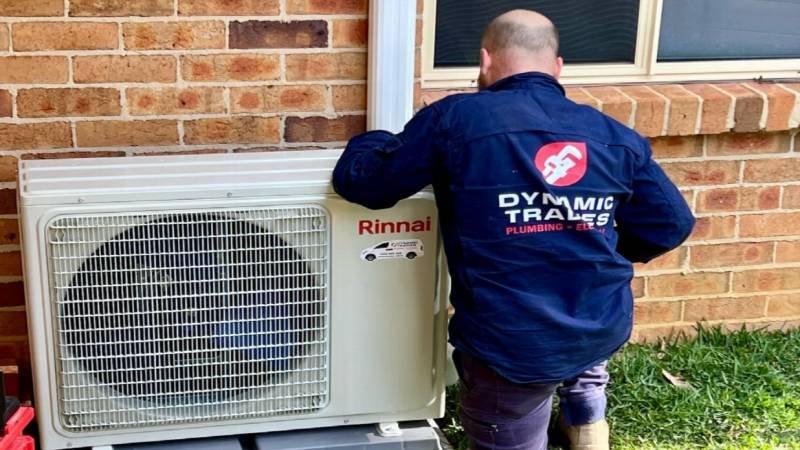
Living near the coast offers many benefits, including fresh sea breezes, scenic surroundings and a generally pleasant outdoor environment. However, coastal conditions can also create challenges for household equipment, particularly systems installed outside the home. Air conditioning units are regularly exposed to changing temperatures, moisture, airborne salt and environmental debris, all of which can influence their condition and performance over time. Without appropriate maintenance, these factors may contribute to deterioration and reduce the efficiency of the system.
For homeowners in coastal regions such as the Shoalhaven, understanding how the surrounding environment affects air conditioning equipment is an important part of maintaining indoor comfort. Salt exposure, humidity and outdoor unit placement can all influence maintenance requirements. Homeowners seeking air conditioning support across the Shoalhaven can arrange professional assessments to identify signs of deterioration and determine suitable maintenance or repair options. Taking a preventative approach can help reduce unexpected breakdowns and support reliable system performance throughout the year.
Salt-Laden Air Can Accelerate Corrosion
One of the main challenges facing air conditioning equipment in coastal environments is exposure to salt-laden air. Sea spray and airborne salt particles can travel inland and settle on outdoor surfaces, including the metal components of air conditioning systems. When combined with moisture, salt deposits can accelerate corrosion, particularly on exposed metal surfaces and components that are not adequately protected. The level of exposure varies depending on factors such as distance from the coastline, prevailing winds and the surrounding environment.
Outdoor air conditioning units contain several components that may be affected by corrosion, including condenser coils, metal casings, brackets and fasteners. Over time, deterioration can weaken exposed materials and affect the condition of the equipment. Corrosion involving heat exchange components may also interfere with system performance. Regular inspections can help identify early signs of rust or material deterioration, allowing homeowners to seek professional advice before more extensive damage develops.
High Humidity Can Affect System Performance
Coastal areas often experience periods of elevated humidity, particularly during warmer months. Air conditioning systems help manage indoor comfort by removing heat and, during cooling operation, some moisture from the air. However, humid conditions can increase the amount of moisture the system needs to remove. This may influence how frequently the equipment operates and how effectively it maintains comfortable indoor conditions.
Moisture can also contribute to problems when condensation drainage is restricted or components are not maintained correctly. Blocked condensate drains may lead to water accumulation, unpleasant odours or moisture damage around the indoor unit. Homeowners should pay attention to unusual dripping, persistent dampness and changes in cooling performance. Routine servicing can help ensure condensate drainage systems remain clear and that the equipment is operating according to its intended design.
Outdoor Unit Placement Makes a Difference
The location of an outdoor air conditioning unit can influence its exposure to coastal conditions and its ability to operate efficiently. Units installed in areas directly exposed to prevailing sea winds may experience greater salt accumulation than those positioned in more sheltered locations. However, placement decisions must also consider airflow, access for maintenance, manufacturer requirements and the physical layout of the property.
Outdoor units need adequate space around them to release heat effectively. Installing equipment in a confined area or surrounding it with dense vegetation can restrict airflow and reduce cooling efficiency. While a sheltered position may help limit direct exposure to salt and rain, enclosing the unit too closely can create additional performance problems. Professional installers can assess the available locations and recommend positioning that balances environmental protection with suitable ventilation and servicing access.
Salt and Debris Buildup Can Reduce Cooling Efficiency
Air conditioning systems rely on effective heat transfer to maintain comfortable indoor temperatures. The outdoor condenser coil plays an important role in releasing heat collected from inside the home. When salt deposits, dust, leaves and other debris accumulate on the coil surfaces, they can interfere with airflow and heat exchange. This may cause the system to work harder to achieve the desired temperature, potentially increasing energy consumption and placing additional strain on components.
Coastal winds can carry fine particles and vegetation into outdoor units, making regular visual checks particularly useful. Homeowners can keep the surrounding area clear of leaves, rubbish and overgrown plants, provided this can be done safely without opening or dismantling the equipment. Cleaning delicate coils and internal components should follow manufacturer recommendations and may require professional servicing. Incorrect cleaning methods, including excessive water pressure or unsuitable chemicals, can damage equipment and protective coatings.
Coastal Conditions May Influence Equipment Lifespan
The lifespan of an air conditioning system depends on several factors, including equipment quality, installation, operating conditions and maintenance. Coastal exposure introduces additional environmental stresses that may affect how quickly certain components deteriorate. Salt-related corrosion, moisture exposure and repeated operation during hot weather can contribute to wear, although the extent of these effects varies between properties and equipment types.
When selecting a new air conditioning system for a coastal property, homeowners may wish to consider models with corrosion-resistant materials or protective coatings designed for challenging environments. Some manufacturers offer additional protection for outdoor coils and casings, although these features do not eliminate the need for maintenance. Reviewing warranty conditions is also important because coverage for corrosion or environmental damage may be limited. Choosing equipment suited to the installation environment can support more reliable long-term operation.
Regular Maintenance Is Particularly Important Near the Coast
Preventative maintenance can help homeowners identify developing problems before they lead to major repairs. In coastal environments, inspections may need to pay particular attention to corrosion, coil condition, drainage, electrical connections and the structural condition of outdoor mounting components. The appropriate servicing frequency depends on the equipment, manufacturer recommendations and level of environmental exposure. Properties located close to the shoreline may require different maintenance arrangements from homes further inland.
Professional servicing can include checking system operation, inspecting accessible components and identifying conditions that may affect efficiency or reliability. Homeowners can support these efforts by cleaning accessible indoor filters according to the manufacturer’s instructions and keeping outdoor units free from surrounding obstructions. Electrical repairs, refrigerant handling and internal servicing should be undertaken by appropriately licensed or authorised professionals. A consistent maintenance routine can help maintain system performance and reduce the likelihood of avoidable interruptions during periods of high cooling demand.
Conclusion
Coastal conditions can affect air conditioning equipment in several ways, particularly through salt exposure, humidity and the accumulation of environmental debris. These factors may contribute to corrosion, restricted airflow, drainage problems and reduced operating efficiency. The level of impact depends on the property’s location, the equipment’s design and the maintenance practices used throughout its service life.
Homeowners in coastal areas can reduce some of these risks by choosing suitable equipment, considering outdoor unit placement and arranging regular maintenance. Recognising early signs of deterioration and addressing performance concerns promptly can also help prevent minor issues from developing into more significant problems. With appropriate care and professional assistance when needed, air conditioning systems can continue providing reliable indoor comfort despite the challenges associated with coastal environments.

