
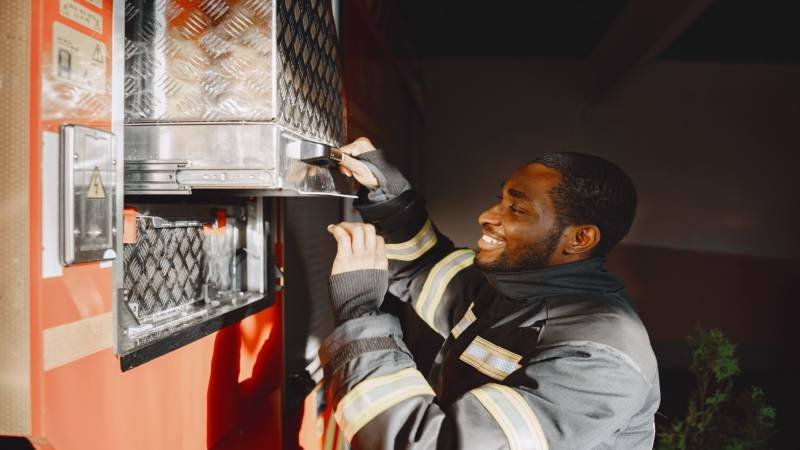
Fire protection is part of home, commercial, industrial and public space protection. Designing a fire safety plan isn’t just a reactive solution for after fire issues have developed. It can be used to find a potential hazard, minimize risks, protect occupants, and lessen property damage.
The professional fire protection services can equip businesses and property owners with the knowledge, tools, inspection and maintenance to create an effective fire protection system. Knowing the essence of the major components of fire protection can inform the organization’s decision on their safety needs.
What is the role of Fire Protection Services?
Fire protection services include various systems that are aimed at reducing the likelihood of fire, early detection, fire suppression, and safe evacuation.
These services can range from plan make-up, testing, maintenance, inspections, sprinkler system activation, fire suppression system activation to fire alarm installation and emergency lighting and fire extinguisher inspection, among others, depending on the property and type.
Actual requirements will depend on the building design, building occupancy, building local regulations, actual potential hazards and activities conducted on site.
The importance of Fire Protection.
A fire can get out of control and endanger people and property, resulting in the destruction of equipment, inventory and records. By considering the various phases of a fire potential situation, effective fire protection mechanisms are able to lessen these risks.
An extensive strategy will help an organisation to:
Early detection of fires.
Alert occupants quickly
Manage and/or extinguish fires.
Support safe evacuation
Take care of valuable equipments and property
Reduce potential business disruption
Comply with fire requirements
Thus, fire protection should be recognized as an on-going activity and not as a single installation.
Key Components of Fire Protection
Fire Alarm and Detection Systems
Fire detection systems can detect the presence of fire and alert people. Systems can consist of smoke detectors, heat detectors, manual call points, alarms, and other monitoring devices depending on the building.
Testing and maintenance of the system is important because an alarm system is no good if it fails to work when it is needed.
Fire Sprinkler Systems
Fire can be controlled before it gets out of hand and spreads from room to room through the use of automatic sprinkler systems. Although, there are a number of cases in which the requirements are different, sprinkler systems are often found in commercial, residential, industrial and storage facilities in addition to what can be considered standard.
Sprinkler systems need proper inspection and maintenance to ensure their operation.
Fire Extinguishers
Portable Fire Extinguishers should be used by trained people under safe conditions to extinguish small fires.
Extinguishers come in various classes and it’s essential to choose the right one. Extinguishers should also be positioned properly and checked for compliance, as needed.
Fire Suppression Systems
There are some conditions that have special dangers and would need more than just a conventional sprinkler system. Special fire suppression technologies can be used for commercial kitchens, server rooms, industrial settings and in spaces where sensitive equipment is present.
Selection of the system needs to be based on the type of fire hazard and equipment or material to be protected.
Emergency Lighting & Exit Systems
In the event of a fire, or depending on the situation when the power goes out, normal routes may be hard to navigate. Lighted exit signage, emergency lighting and evacuation routes that are well-identified can help occupants to exit the building safely.
It is important these systems are regularly tested and potential failures addressed prior to emergency.
Fire Risk Assessments
An important aspect of devising a safety strategy is to conduct a fire risk assessment. Identifying potential sources of ignition, combustible material, vulnerable occupants, escape route and existing protective measures.
The inspection can be useful to the property owner to see where improvements might be required.
For instance, a warehouse housing materials that are flammable can need a variety of plan from a little workplace. It likewise goes for the diverse dangers of a commercial kitchen contrasted with a residential flat.
Why inspection and maintenance are important?
Having fire safety equipment isn’t sufficient. In order to be reliable systems must be inspected, tested, and properly maintained on a regular basis.
Some maintenance programs involve periodic alarm checks, detection system testing, extinguisher inspections, sprinkler system inspection and emergency light checks.
It may also become possible to prove their proper responsibility for maintaining their safety systems when they keep proper inspection records.
Fire Protection for Different Types of Buildings
Offices
Office buildings may have the need for fire alarms, emergency lighting, extinguishers, evacuation plans and signage. The increase in preparedness can be further enhanced through employee awareness and by periodically conducting evacuation drills.
Industrial Facilities
These can include chemicals, combustible materials, machinery or high temperature processes in industrial settings. Fire protection strategies should thus be customized to the different hazards that exist.
Retail Stores
Retail locations can have a lot of inventory and can have many people on the premises. Considerations include clear evacuation routes, alarms, extinguishers and appropriate detection systems.
Residential Buildings
Working smoke alarms, appropriate fire extinguishers, clear escape routes and simple fire plans have been found to help the home or apartment building.
Training and Emergency Preparedness
Technology is just one part of fire safety. People should be also informed about what they should do in an emergency.
Staff and users can gain education on:
What a fire alarm sounds like
Emergency evacuation procedures
Assembly points
Call the fire service to report the fire.
When appropriate to use an extinguisher
What to do if people are in a vehicle and are in danger
How to NOT behave in an emergency situation
Periodic drills can be useful to familiarizing persons with the evacuation routine and to help determine any issues with escape routes.
Selecting the appropriate Fire Protection Provider.
For property owners, these are all key factors to think about when choosing a fire protection company: experience, qualifications, service coverage, inspection practices, response capabilities, and code & regulation knowledge.
It’s also important to find out if the provider can handle all aspects of a system—design, installation, testing, maintenance and documentation.
A provider needs to be aware that the installation of equipment is not the only aspect of fire protection. The objective is to develop a safety plan that reflects the true hazards of the property and has been put together in a co-ordinated manner.
Final Thoughts
Fire safety is a balance of prevention, detection, suppression, evacuation, training, inspection and maintenance. There are a variety of products and systems available which cannot provide a solution to all fire risks and reliance should be placed on a property’s own characteristics and hazards.
Property owners and businesses can contribute to a safer environment, while being better equipped for emergencies, by investing in the appropriate fire protection services and performing proper maintenance on the fire protection systems. Assessment and compliance of a fire protection system should always be determined by a professional and applicable local fire safety codes. See more.