
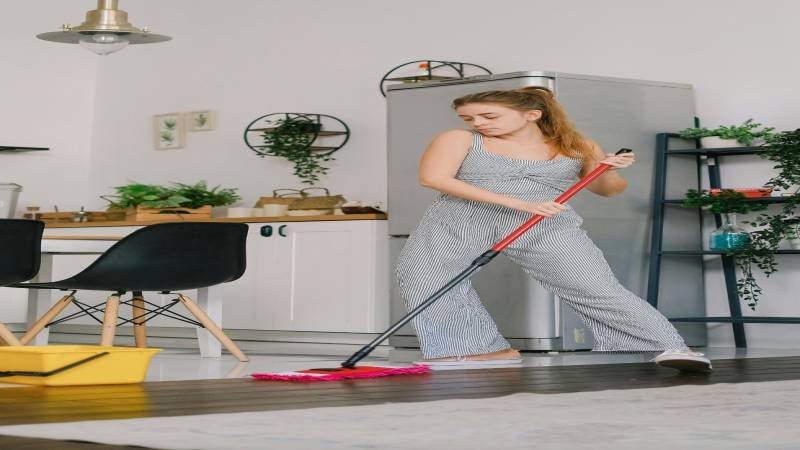
A home can feel smaller than it truly is when clutter begins to accumulate. Overfilled closets, crowded countertops, and disorganized storage areas reduce efficiency and make everyday routines more complicated than they need to be. Even beautifully designed spaces lose their impact when they are overwhelmed by unnecessary items.
Upgrading your home does not always require major renovations. In many cases, the most meaningful improvements begin with cleaning and organization.
A clean and organized environment creates the foundation for functional upgrades that improve comfort, productivity, and overall livability. Often, the process starts with a reset that may include coordinating a junk removal service to clear out accumulated clutter and create room for change. Transform your home into a clean, clear, and functional space with these tips.
Assess Your Home First
Before making changes, take time to evaluate how your home currently functions.
Walk through each room with a critical eye. Identify areas that feel crowded or chaotic. Notice where items tend to pile up and where storage systems are no longer effective. Pay attention to spaces that are underused because they are too cluttered to enjoy. Common problems include:
- Entryways: filled with shoes and bags.
- Kitchen counters: crowded with small appliances.
- Closets: packed beyond capacity.
- Garages: used for storage instead of parking.
Write down which areas would benefit most from cleaning and reorganization. Prioritizing these zones provides direction and keeps the process manageable.
Clarity at the start helps prevent scattered efforts.
Declutter and Clear Out
Decluttering is the most impactful step in upgrading a home.
Removing excess creates immediate visual relief and opens the door for better functionality. Use a straightforward sorting system:
- Keep
- Donate
- Recycle
- Discard
Be honest about what truly serves your lifestyle. If something has not been used in a year and holds no meaningful value, consider letting it go. Duplicate items and broken pieces often contribute heavily to overcrowding. For large or bulky belongings that are difficult to manage, scheduling a junk removal service can simplify the process. Clearing heavy furniture or accumulated debris quickly allows you to focus on organizing what remains.
Decluttering creates space for improvement rather than forcing you to work around obstacles.
Organize for Functionality
Once unnecessary items are removed, organization becomes more effective.
Designate zones within each room based on daily activities. For example, in a living room, you might establish a reading corner, a workspace, and a designated area for electronics. In the kitchen, group cooking tools, pantry items, and cleaning supplies are logically organized.
Use shelves, baskets, and multi-purpose furniture to support order. Vertical storage solutions can maximize space without adding bulk. Clear containers make it easier to locate items quickly.
Assign a specific place for frequently used belongings. When items have a designated home, it becomes easier to maintain order long term.
Functionality improves when storage systems reflect real routines rather than idealized ones.
Improve Flow and Accessibility
A well-designed home allows smooth movement from one space to another.
After decluttering, assess furniture placement and room layout. Rearrange pieces to open pathways and reduce congestion. Remove items that block natural traffic patterns.
Accessibility is equally important.
Frequently used objects should be easy to reach. Store everyday essentials at convenient heights and reserve less accessible areas for seasonal items. When junk removal service assistance clears away unnecessary pieces, it becomes easier to reimagine how space can be utilized more efficiently. Improved flow makes rooms feel larger and more comfortable.
Refresh and Update
With clutter removed and organization in place, small aesthetic updates can enhance the overall atmosphere.
- Fresh paint can brighten a space and make it feel renewed.
- Updated lighting improves both ambiance and functionality.
- Swapping heavy décor for simpler accents creates a cleaner visual impression.
- Choose design elements that support daily living. Durable surfaces, neutral color palettes, and adaptable furniture tend to age well and remain practical.
- Avoid refilling newly cleared spaces with decorative items that add visual noise. Instead, focus on purposeful enhancements that contribute to comfort and usability.
Even modest updates can dramatically change how a room feels.
Maintain Long-Term Functionality
Upgrading your home is not a one-time event. Maintaining functionality requires ongoing attention. Develop simple habits such as:
- Tidying high-traffic areas daily.
- Conducting weekly surface cleaning.
- Reviewing closets and storage areas seasonally.
- Donating unused items promptly.
These small routines prevent clutter from building up again. Periodic reassessment also helps ensure that your home continues to meet changing needs.
As routines evolve, storage systems may require adjustments. If larger cleanouts become necessary in the future, arranging another Junk removal service appointment can help maintain balance and prevent accumulation from returning. Consistency keeps a home functional.
Supporting Comfort and Productivity
A clean and organized home supports both comfort and productivity.
Clear surfaces make it easier to prepare meals or complete tasks. Organized storage reduces time spent searching for misplaced items. Open layouts promote relaxation and social interaction. When rooms feel manageable rather than overwhelming, stress levels often decrease. Focus improves in tidy environments, and downtime feels more restorative.
Upgrading your home through cleaning and organization enhances more than aesthetics. It improves how you experience daily life.
Build on a Strong Foundation
True home upgrades begin with preparation.
Cleaning and decluttering establish the foundation for any functional improvement. By assessing your space honestly, clearing out excess, organizing thoughtfully, and maintaining simple habits, you create a home that supports rather than hinders your routines.
A clean and organized environment provides the structure for comfort and productivity. Small, intentional steps can dramatically transform how your home looks and feels. With consistent effort and practical systems in place, your space can remain clean and functional long-term.