Outdoor living areas have become one of the most valued parts of a modern home. Whether it is a quiet backyard patio, a poolside walkway, or a rooftop terrace, the material you choose for your decking can determine how long that space stays beautiful and how much upkeep it demands. Among the many options available today, wood plastic composite, commonly known as WPC, has emerged as a favorite for homeowners who want the natural look of timber without the constant maintenance that real wood requires.
This article looks at what WPC decking actually is, why it has become so popular in home improvement and home decor projects, what to consider when selecting a supplier, and how it fits into a more environmentally conscious approach to building.
What to Know Before Choosing a WPC Composite Decking Manufacturer
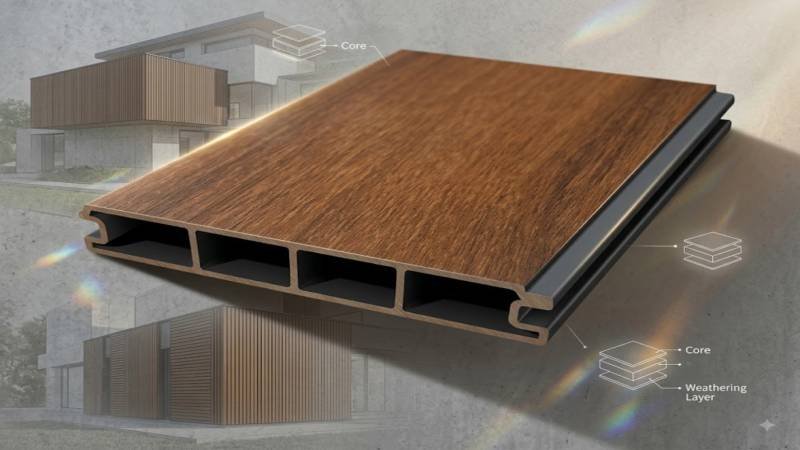
WPC is made by combining wood fibers, such as sawdust or rice husk, with recycled plastic and a set of bonding agents. The result is a dense, weather resistant board that mimics the grain and warmth of natural wood while resisting the rot, splintering, and insect damage that plague traditional timber decking. Because the material blends organic and synthetic components, the quality of the final product depends heavily on the manufacturing process, which is why the choice of a wpc composite decking manufacturer matters so much to the outcome of any project.
Not all composite boards are made equally. Some manufacturers use a higher ratio of virgin plastic for extra durability, while others focus on maximizing recycled content to reduce environmental impact. Some apply a co-extrusion process, wrapping the board in a protective plastic shell that improves resistance to fading and moisture. Others use embossing techniques to create a more realistic wood texture. When comparing suppliers, it is worth asking about the composition ratio, the manufacturing method, the warranty period, and whether independent testing has been done for slip resistance, fire rating, and color stability. For readers who want to explore a manufacturer with a track record in this space, more details are available at https://www.krecocomposites.com/.
The Advantages of WPC Decking Over Traditional Wood
Traditional wood decking has an undeniable charm, but it comes with ongoing responsibilities. It needs to be sanded, stained, and sealed on a regular basis, and even with careful maintenance it can still warp, crack, or attract termites over time. WPC decking addresses most of these issues directly.
Because the plastic component in the composite is largely non porous, the boards do not absorb water the way solid wood does. This means less swelling, less cracking, and a much lower risk of mold or fungal growth. The surface also resists scratches and stains better than natural wood, which is a practical benefit for families with pets, children, or outdoor furniture that gets moved around often.
Color retention is another strong point. Many composite boards are treated with UV stabilizers that slow down fading, so a deck installed today can still look close to its original shade several years later, even under strong sun exposure. For homeowners in hot or humid climates, this durability translates into real savings, since there is no need for annual refinishing or frequent board replacement.
Environmental Benefits That Matter in Home Decor Choices
Sustainability has become a central concern in home improvement, and WPC decking fits naturally into that conversation. Because a large share of the raw material comes from recycled plastic and reclaimed wood fiber, choosing composite decking reduces the demand for freshly harvested timber. This helps ease pressure on forests, particularly the slow growing hardwood species that are often used for outdoor construction.
Composite decking also has a longer service life than most wood products, which means fewer replacement cycles and less waste sent to landfills over the years. Some manufacturers go further by using solar powered production lines or water based finishing processes, cutting down on energy consumption and chemical runoff during manufacturing. For homeowners who want their outdoor renovation to reflect a genuine commitment to the environment, these production choices are worth researching before making a purchase.
Practical Tips for Installing and Maintaining WPC Decking
Even though WPC decking requires far less care than wood, a few habits will keep it looking its best for years. Regular sweeping prevents dirt and leaves from building up in the grooves of the boards. A simple wash with mild soap and water, done every few months, removes grime and keeps the surface from becoming slippery. It is also wise to leave small gaps between boards during installation to allow for natural expansion and contraction as temperatures change through the seasons.
When it comes to installation, using the correct fastening system recommended by the manufacturer is essential. Hidden clip systems, for example, create a cleaner finished look and reduce the risk of moisture pooling around screw heads. Working with an installer who has experience specifically with composite materials, rather than only traditional wood decking, can also help avoid common mistakes such as improper spacing or inadequate ventilation underneath the boards.
Conclusion
WPC composite decking offers a practical, attractive, and environmentally responsible alternative to traditional wood for anyone planning an outdoor renovation. It resists the common problems that shorten the life of wood decks, requires minimal upkeep, and supports a more sustainable approach to home building by reducing reliance on virgin timber. As with any home improvement investment, the quality of the final product depends largely on where the material comes from, so taking time to research a reliable wpc composite decking manufacturer is one of the most important steps in the process. A well chosen deck, built from well sourced materials, can serve a household comfortably for many years while keeping maintenance simple and the outdoor space looking its best. See more.