
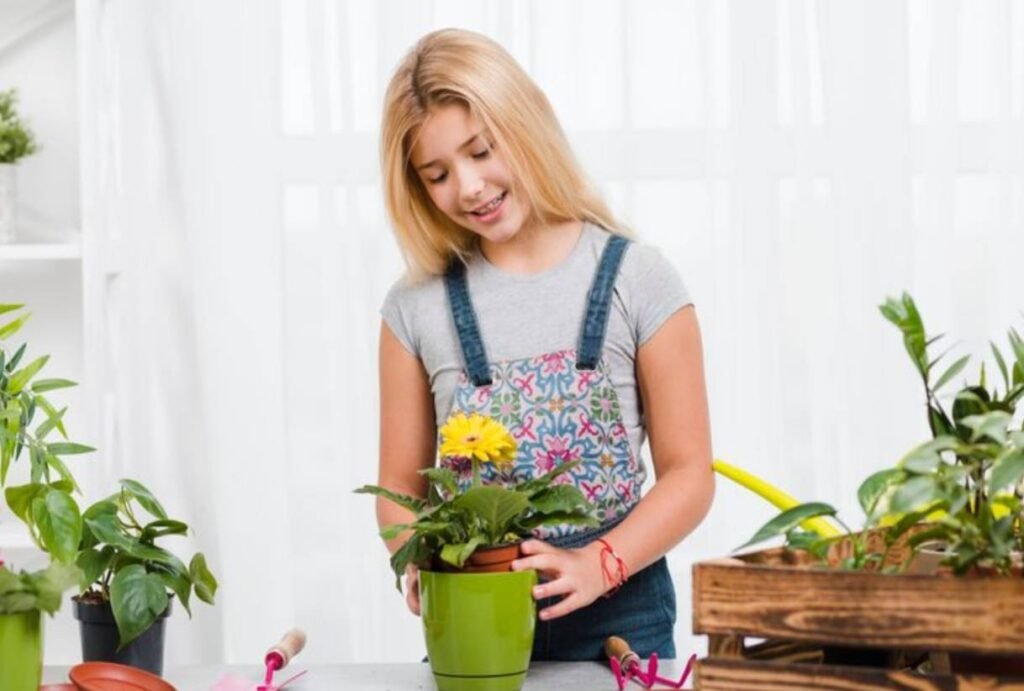
Selecting the right containers for your garden plants is essential for both aesthetic appeal and plant health. Among various options available, ceramic plant pots stand out due to their classic appearance and functional benefits. These pots have been used for centuries, offering durability and style that complement any garden setting.
Advantages of Ceramic Pots
Ceramic plant pots provide excellent insulation for plants, helping to maintain soil temperature and moisture levels more effectively than many other materials. Their porous nature allows air and water to penetrate, which can prevent root rot and promote healthy plant growth. Additionally, their weight offers stability, reducing the risk of easily being overturned by wind or pets.
Types of Ceramic Plant Pots
There are primarily two types of ceramic pots: glazed and unglazed. Glazed pots have a shiny, often colourful finish that creates a sealed surface, making them less porous and more water-resistant, ideal for indoor plants or decorative garden spaces. Unglazed pots, typically terracotta, are more porous, allowing the soil to dry out faster and are suited to plants that prefer dry conditions.
Glazed Ceramic Pots
Glazed ceramic plant pots are coated with a glass-like glaze that creates a waterproof barrier. This finish can come in numerous colours and designs, allowing gardeners to match pots to their garden decor. Their water resistance helps retain moisture in the soil, reducing the need for frequent watering. However, glazed pots can be heavier and more prone to cracking in freezing temperatures.
Unglazed Ceramic Pots
Unglazed pots provide a rustic, natural look and are highly breathable. This breathability allows excess moisture to evaporate through the pot walls, offering excellent drainage and aeration. These pots are especially beneficial for succulents and cacti that require well-drained soil. Despite their benefits, unglazed pots may dry out quickly and might need more frequent watering.
Considerations When Choosing Ceramic Pots
When choosing ceramic plant pots for your garden, several factors require attention. Firstly, consider the type of plants you wish to grow, including their water and sunlight requirements. Secondly, examine the size and shape of the pots, ensuring they provide adequate room for root growth and stability for mature plants. Also, consider the pot’s drainage capabilities, as proper drainage is crucial to prevent waterlogging and root disease.
Size and Shape
The size of the ceramic pot should correspond to the plant’s root system. A pot too small may restrict growth, while an excessively large pot can lead to waterlogged soil. Shapes can vary from traditional round pots to square or uniquely sculpted designs, which can impact the pot’s drainage and the plant’s rooting environment.
Drainage Importance
Ceramic pots may come with or without drainage holes. Proper drainage ensures that excess water escapes, preventing saturation that can harm plant roots. For pots without drainage, it is crucial to water carefully or consider using a liner or gravel layer to improve drainage.
Placement of Ceramic Pots
Where ceramic pots are placed affects the plant’s health and the pot’s longevity. For instance, glazed pots are more suitable for indoor environments or sheltered areas due to their susceptibility to cracking in cold weather. Unglazed pots thrive in outdoor gardens but may require protection during extreme weather conditions.
Maintenance of Ceramic Pots
Maintaining ceramic pots involves regular cleaning to prevent mould and salt build-up. Wash pots with water and a soft brush, avoiding harsh chemicals that can damage the glaze or the clay. In colder climates, it is advisable to bring pots indoors or protect them during winter to avoid cracking caused by frost.
Styling Your Garden with Ceramic Pots
Ceramic plant pots allow for creative styling within gardens. Their variety of colours, shapes, and finishes offers endless combinations for visual appeal. Grouping pots of various sizes and colours can create focal points, while uniform pots can unify a garden space.
Environmental Benefits
Ceramic pots are an environmentally friendly choice as they are made from natural clay and are biodegradable over time. Their durability also means they can be reused multiple seasons, reducing waste compared to plastic alternatives.
Summary
Choosing the perfect ceramic plant pots for your garden involves understanding the benefits, types, and care requirements of ceramic materials. By considering plant needs, pot size, drainage, and placement, gardeners can enhance plant health and garden aesthetics. Ceramic plant pots continue to be a preferred choice due to their combination of function, beauty, and environmental sustainability. See more.