
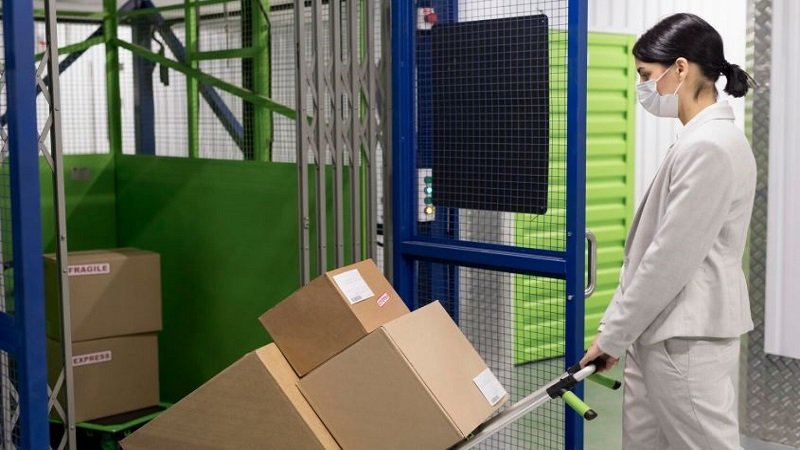
In today’s fast-paced market, the efficiency of warehouse operations is crucial to business success. As companies face increasing demands for storage and distribution, maximizing vertical space becomes a key strategy. By optimizing warehouse layouts, businesses can accommodate more products without the need for physical expansion. This article delves into cutting-edge solutions for making the most of available vertical space, helping businesses to boost productivity and enhance operations. From advanced material handling systems to strategic space utilization, explore how these innovations can revolutionize your warehouse operations and contribute to improved profitability and efficiency.
THE IMPORTANCE OF OPTIMIZING WAREHOUSE SPACE
Effective use of warehouse space is critical for any business looking to stay competitive. With the cost of real estate continually rising, particularly in urban areas, companies must make the most of every inch available to them. The efficient use of space not only leads to cost savings but also improves workflow, increases storage capacity, and enhances accessibility, ensuring that products can quickly move from storage to shipping. Moreover, by maximizing vertical space, companies can defer the significant expenses associated with relocating or expanding their premises.
One innovative solution that has gained popularity is the use of mezzanine floor systems. These systems add additional floors within the existing structure of a warehouse, effectively doubling the usable space without the need for expansion. Mezzanines are flexible and can be customized to fit various needs, whether it’s additional storage, office space, or even production areas. By leveraging vertical space in this way, businesses can effectively increase their operational footprint without the prohibitive costs associated with new construction.
BENEFITS OF RACKING SYSTEMS IN WAREHOUSE MANAGEMENT
Incorporating advanced racking systems into warehouse design is another effective method for maximizing space. Pallet racks and shelving units are designed to hold goods in vertical columns, making full use of the available height in a warehouse. These systems not only improve organization and access but also ensure that items are stored safely and securely. With a variety of racking options available, businesses can tailor their storage solutions to match specific product needs, from heavy-duty shelving for larger goods to more delicate racks for smaller, more fragile items.
Another aspect to consider with racking systems is their adaptability. Modern racking solutions often come with modular designs, allowing businesses to reconfigure them as inventory needs change. This adaptability is essential for maintaining efficiency in a dynamic marketplace where demand and product lines can shift quickly. Therefore, investing in high-quality racking systems contributes to long-term efficiency and helps in avoiding costly disruptions.
LEVERAGING AUTOMATED STORAGE AND RETRIEVAL SYSTEMS (ASRS)
One of the most transformative advancements in warehouse management is the automated storage and retrieval system (ASRS). These systems integrate seamlessly with warehouse management software to automatically retrieve and store goods, significantly reducing human errors and increasing efficiency. ASRS technology can operate around the clock, vastly improving throughput and minimizing labor costs. These systems are particularly beneficial in businesses that deal with high-volume or high-complexity products as they streamline operations and enable faster order fulfillment.
The integration of ASRS into a warehouse’s design makes optimal use of vertical space since the systems often extend vertically to maximize storage capacity. Furthermore, they improve safety by reducing the need for manual handling, thus preventing workplace injuries. For businesses that require high accuracy and speed, ASRS represents a valuable investment.
EFFICIENT LIGHTING AND ENERGY CONSIDERATIONS
When a warehouse maximizes its vertical space, it’s important to consider the implications of lighting and energy use. Effective lighting is crucial for maintaining safety and efficiency, especially in taller structures that require adequate illumination across all levels. LED lighting systems are an excellent choice since they offer brighter illumination while being energy-efficient. Additionally, smart lighting systems can further reduce costs by automatically adjusting based on occupancy and time of day.
Energy efficiency goes beyond lighting; optimizing heating and cooling systems is also vital for warehouses that utilize vertical space. Higher ceilings can lead to increased energy consumption if HVAC systems are not effectively managed. Implementing energy-efficient solutions not only reduces operational costs but also supports environmental sustainability, aligning with current trends towards greener business practices.
PROPERTY IN AUSTRALIA: NAVIGATING SPACE AVAILABILITY
The high demand for space can be particularly challenging in certain regions, such as in the case of property in Australia. The country’s growing urbanization and booming e-commerce have led to a significant demand for warehouse spaces. As prime locations in metropolitan areas get scarce, businesses need innovative solutions to manage their spatial constraints.
Mezzanine floor systems and other vertical expansion strategies offer practical ways for companies in Australia to overcome space shortages. By optimizing existing properties, businesses can remain competitive without incurring the high costs of relocation. Understanding local regulatory requirements relating to construction and safety when implementing these systems is imperative, ensuring that solutions comply with regional building codes.
SAFETY COMPLIANCE IN VERTICAL SPACES
Maximizing vertical space, while economically beneficial, necessitates a rigorous adherence to safety standards. Businesses must invest in safety equipment such as guardrails, barriers, and netting systems to prevent accidents and comply with workplace safety regulations. Regular safety audits and employee training programs further ensure that warehouse operations remain safe and efficient.
Fire safety is another critical consideration in multi-level spaces. Proper fire detection and suppression systems must be in place to protect both employees and inventory. In vertical spaces, ensuring that fire sprinkler systems cover all levels is essential for comprehensive protection.
ENHANCING WAREHOUSE OPERATIONS THROUGH TECHNOLOGY
Technology plays a pivotal role in optimizing warehouse operations. Digital inventory management systems provide real-time tracking of goods, significantly improving accuracy and efficiency. By integrating such technology with physical storage solutions, businesses can streamline operations and reduce errors.
Innovations such as the Internet of Things (IoT) and artificial intelligence (AI) contribute to smarter warehouse management. IoT devices can monitor equipment status and environmental conditions, helping prevent downtime. AI can analyze data to predict trends and optimize resource allocation, making operations more responsive and resilient.
SUSTAINABILITY IN WAREHOUSE DESIGN
Modern businesses are increasingly focused on sustainability, and warehouses are no exception. Employing sustainable practices not only helps the environment but also can provide long-term economic benefits. Green building materials, renewable energy sources like solar panels, and efficient waste management systems can all contribute to a warehouse that is both environmentally friendly and cost-effective.
Designing warehouses with sustainability in mind encourages resource-efficient operations. From reducing waste in the supply chain to employing closed-loop recycling systems, sustainable warehouses can contribute positively to a company’s overall environmental strategy.
CONCLUSION
Maximizing vertical space in warehouses is a strategic approach that offers numerous benefits, from increasing storage capacity to enhancing operational efficiency. By implementing solutions such as mezzanine floors and automated systems, businesses can optimize their existing spaces sustainably and cost-effectively. As companies continue to adapt to the challenges of modern markets, innovative warehouse design remains a critical element in achieving competitive advantage. Embracing these strategies not only addresses current demands but also positions businesses for future growth and sustainability. See more

