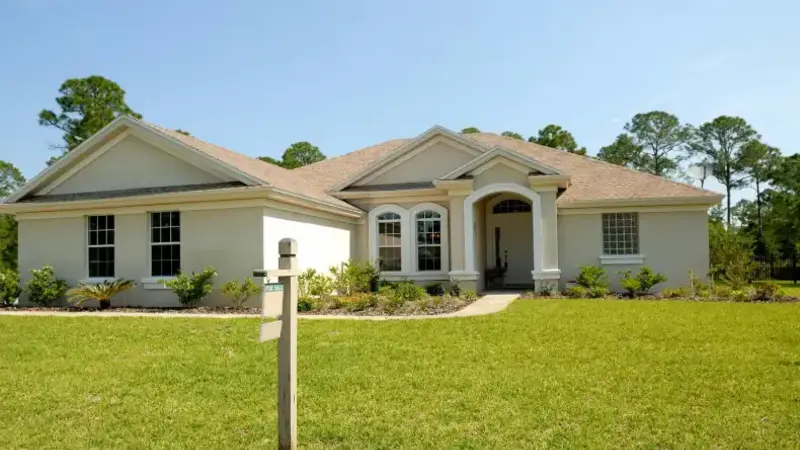

For many Chapel Hill homeowners, renovating an existing home can be more appealing than starting over somewhere new. The area is known for established neighborhoods, mature trees, unique architecture, and homes with character that newer developments often cannot replicate. A custom renovation allows homeowners to preserve what they already love while improving the way their home supports daily life.
Still, custom home renovations in Chapel Hill are not simple cosmetic updates. They require careful planning, realistic budgeting, and a builder who understands how to work within the structure, limitations, and possibilities of an existing home. Before beginning a major renovation in Chapel Hill, homeowners should understand both the advantages and the trade-offs.
Pro: Custom renovations can improve how a home actually functions
One of the strongest reasons to renovate is the opportunity to make home work better for the people living in it. Many older Chapel Hill homes were built for a different era of living. Kitchens may feel closed off, bathrooms may be undersized, storage may be limited, and family spaces may not support the way modern households gather, work, and entertain.
A custom renovation gives homeowners the ability to rethink layout, circulation, natural light, storage, and room purpose. Rather than forcing a family to adapt to the home, the home can be adapted to the family.
This is especially valuable in Chapel Hill, where many homeowners are deeply connected to their neighborhood, schools, commute, or surrounding landscape. Renovation allows them to stay rooted while improving livability.
Con: Existing homes come with unknowns
Unlike new construction, renovation work begins with a structure that already exists. That means there may be hidden issues behind walls, under floors, or within mechanical systems. Older wiring, framing limitations, plumbing concerns, drainage problems, previous remodels, or structural surprises can affect the scope and cost of the project.
This does not mean renovation is a bad decision. It simply means homeowners should approach the process with the right expectations. A strong renovation plan includes discovery, detailed drawings, thoughtful budgeting, and contingency planning.
The more experienced the design and construction team, the better they can anticipate potential issues before they become disruptive.
Pro: Renovations Can Preserve Chapel Hill Character
One of the reasons homeowners value Chapel Hill is the character of its homes and neighborhoods. Many properties have architectural details, wooded settings, and a sense of place that cannot easily be recreated in a new subdivision.
A custom renovation can preserve those qualities while modernizing the home’s comfort and performance. Original features can be restored or complemented. Additions can be designed to feel intentional rather than tacked on. Interior updates can respect the home’s character while still creating a more open, functional, and refined living environment.
For homeowners who appreciate the history and personality of their home, renovation offers a balanced path forward.
Con: Custom renovations require more decision-making
A custom renovation involves many decisions. Homeowners may need to make choices about layout, finishes, materials, cabinetry, lighting, flooring, fixtures, windows, exterior details, and how new spaces connect to existing ones.
Because the work is tailored to the home, there is rarely a one-size-fits-all answer. That level of customization is a benefit, but it also requires commitment from the homeowner.
The best renovation experiences usually happen when decisions are made early, priorities are clearly defined, and the design-build team provides guidance throughout the process. Without that structure, homeowners can feel overwhelmed or risk delaying the project.
Pro: Renovations can add long-term value
Thoughtful renovations can improve both quality of life and long-term property value. Kitchens, bathrooms, primary suites, functional additions, outdoor living spaces, and whole-home updates can make a home more attractive, more comfortable, and more aligned with current buyer expectations.
In a market like Chapel Hill, where location and neighborhood stability matter, improving an existing home can be a strong investment. Homeowners are not only updating finishes; they are enhancing the usefulness and longevity of a property in a desirable area.
The key is to renovate with discipline. The most valuable projects are not always the largest or most expensive. They are the ones that solve real problems, improve daily living, and feel consistent with the quality of the home.
Con: Renovations can be disruptive
A major renovation can affect daily routines. Depending on the scope, homeowners may deal with noise, dust, temporary loss of access to certain rooms, or the need to relocate during parts of the project.
This is one of the most important practical considerations. A kitchen renovation, whole-home remodel, or major addition can be especially disruptive if the family plans to remain in the home during construction.
Clear communication can reduce stress, but it cannot eliminate every inconvenience. Homeowners should discuss construction sequencing, access, temporary living needs, and expectations before work begins.
Pro: A Custom Renovation Offers More Control Than Buying Another Home
Buying a different home often requires compromise. A house may have the right location but the wrong layout. It may have more space but lack the finishes or craftsmanship a homeowner wants. It may solve one problem while creating another.
Custom renovation gives homeowners more control. They can prioritize what matters most, whether that is a larger kitchen, better indoor-outdoor connection, a more private primary suite, improved accessibility, a home office, or more space for a growing family.
For homeowners who already own a well-located property, renovating can be a more intentional alternative to entering a competitive real estate market.
Con: Budget Discipline Is Essential
Custom renovations can become expensive when the scope is not clearly defined. Changes during construction, finish upgrades, structural discoveries, and unclear design direction can all push costs higher than expected.
This is why the early planning phase matters so much. Homeowners should work with a team that helps align design goals with realistic construction costs before the project moves too far forward.
A good renovation process should not simply ask, “What do you want?” It should also ask, “What is the smartest way to achieve it within the home, the budget, and the long-term plan?”
Pro: Design-Build Can Simplify the Renovation Process
For many Chapel Hill homeowners, a design-build approach can make renovation easier to manage. Instead of separating the designer, architect, builder, and contractor into disconnected roles, design-build brings planning and construction together under one coordinated process.
This can improve communication, reduce handoffs, and help ensure that design decisions are made with construction realities in mind. It also gives homeowners a clearer point of accountability.
In custom renovation work, that alignment is especially important. The success of the project depends not only on creative design but also on practical execution.
Con: Not Every Home Is the Right Candidate for Renovation
Although renovation can be a smart path, it is not always the best one. Some homes may have structural limitations, extensive deferred maintenance, awkward layouts, or site constraints that make renovation less practical than expected.
In some cases, a homeowner may discover that a new build or larger-scale reconstruction would better support their goals. This is not a failure of the renovation process; it is part of making an informed decision.
A trustworthy builder should help homeowners evaluate the home honestly before encouraging a major investment.
The Bottom Line for Chapel Hill Homeowners
Custom home renovations in Chapel Hill offer significant advantages: improved livability, preserved neighborhood character, long-term value, and the ability to shape a home around the way a family actually lives. For homeowners who love their location but need their home to function better, renovation can be an excellent choice.
The trade-offs are real. Renovations require planning, patience, budget discipline, and a willingness to work through the complexities of an existing structure. The most successful projects begin with clear goals and a qualified local team that understands both design and construction.
For Chapel Hill homeowners, the decision is rarely just about updating a house. It is about investing in a home, a neighborhood, and a way of living that already matters. See more: decoradhouse.org.