
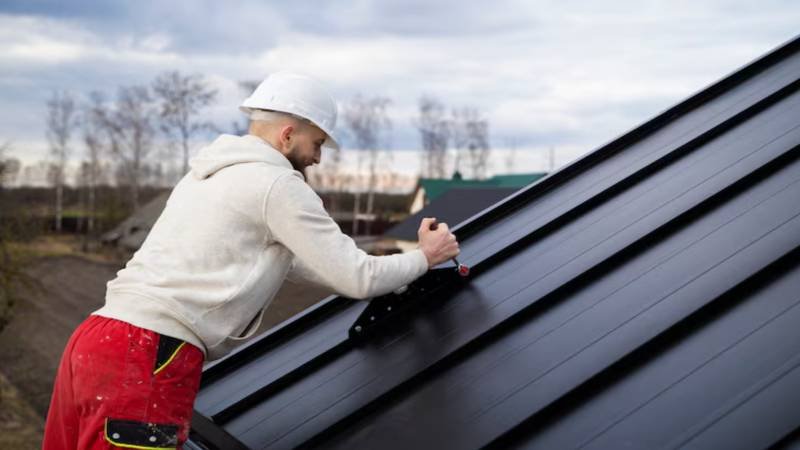
Many property owners overlook the early signs your roof is failing because no water has reached the ceiling yet. Damage often begins long before stains appear on drywall or insulation.
Professional roofing services frequently uncover hidden deterioration during routine inspections. Minor surface issues can quickly turn into the need for extensive roof repair if left to chance.
Clogged drainage systems discovered during gutter service often reveal deeper structural concerns. Large facilities face similar risks, which is why proactive oversight in roofing plays such an important part in asset protection.
A roof rarely collapses without warning. Subtle changes tend to appear first, and those quiet signals deserve attention.
Shingle Edges That Curl or Lift
Asphalt shingles should lie flat against the roof deck. Corners that curl upward or edges that begin to lift indicate aging materials. Sun exposure dries out protective oils inside the shingle, making it brittle over time.
Wind can catch raised edges and loosen surrounding sections. That movement breaks down the seal that keeps moisture out. Even without visible leaks inside the home, water may already be slipping beneath the surface layer.
Granule loss often accompanies curling. Dark patches on shingles or granules collecting in downspouts suggest protective coatings are wearing away. Once that layer thins, ultraviolet rays accelerate deterioration.
Subtle Sagging Along the Roofline
A straight roofline signals stable framing. A slight dip in one section may point to weakened decking or compromised structural support.
Sagging does not always cause immediate interior damage. Moisture trapped within the decking can soften wood gradually. Over time, that softness creates uneven surfaces that strain surrounding materials.
Attic inspections sometimes reveal early signs of structural fatigue. Light filtering through boards or visible bowing deserves professional evaluation before conditions worsen. Ignoring minor sagging invites more serious structural problems later.
Flashing That Shows Gaps or Rust
Flashing protects vulnerable intersections where roofs meet chimneys, vents, and skylights. Metal components expand and contract with temperature changes. That movement can loosen fasteners or break sealant bonds.
Rust stains on flashing suggest protective coatings have failed. Small gaps may not leak during light rain, yet heavy storms can force water inside.
Damaged flashing often allows moisture behind walls rather than directly into living areas. This hidden intrusion promotes mold growth and wood decay that can remain unseen for months. Routine exterior checks around roof penetrations help identify flashing issues early.
Daylight Visible in the Attic
Attics tell the truth about roof health. Sunlight peeking through boards signals compromised decking or missing shingles above.
Airflow from small openings can also disrupt insulation performance. Heat escapes in winter and enters during summer, raising energy bills without obvious cause.
Inspecting attic spaces after severe weather events reveals loose nails, damp insulation, or minor drips that have not yet reached ceilings. Tackling these warning signs promptly limits the risk of interior damage.
Increased Energy Costs Without Clear Explanation
Rising utility bills sometimes trace back to roofing problems. Damaged underlayment or deteriorating shingles allow conditioned air to escape.
Heat gain through compromised roofing materials places strain on HVAC systems. Over time, mechanical equipment works harder to maintain consistent indoor temperatures.
Drafts felt near ceiling fixtures or upper walls may reflect insulation gaps linked to roofing issues above. Energy inefficiency often serves as an indirect clue that roofing components are failing quietly.
Moss or Algae Growth
Dark streaks on shingles often indicate algae presence. Moss tends to grow in shaded, damp sections of the roof.
While some growth just appears cosmetic, thick moss traps moisture against shingles. Prolonged moisture exposure weakens materials and speeds up decay.
Root structures from moss can lift shingle edges. That lift creates entry points for water during rainfall. Regular roof cleaning and inspections reduce the long-term effects of biological growth.
Granules Accumulating in Gutters
Asphalt shingles rely on granules to shield underlying layers from sunlight. Finding distinct granule buildup during routine cleaning suggests advanced wear.
Bald spots on shingles expose asphalt directly to heat. Prolonged exposure causes cracking and brittleness.
Granule loss does not always result in immediate leaks. It does shorten the functional lifespan of the roof. Homeowners who notice excessive debris in gutters should consider scheduling a professional evaluation.
Interior Ceiling Discoloration That Comes and Goes
Faint discoloration on ceilings may appear after heavy storms and fade during dry weather. That pattern indicates intermittent moisture infiltration.
Water can travel along rafters before dripping onto insulation or drywall. By the time stains become permanent, damage has progressed further than expected.
Paint bubbling or peeling near upper walls also signals potential moisture migration. Small cosmetic irregularities often reflect larger roofing concerns above.
Soft Spots Underfoot
Walking on a roof should feel firm and stable. Soft areas beneath shingles may indicate rotted decking.
Moisture trapped under roofing layers weakens structural boards gradually. Soft sections can collapse under weight, posing safety risks.
Professional inspections use careful techniques to detect compromised decking without causing further damage. Dealing with soft spots early reduces the scope of necessary repairs.
Damaged or Missing Ridge Caps
Ridge caps protect the highest point of the roof where two slopes meet. High winds frequently affect this area first.
Loose or missing ridge shingles expose the underlying seam to water intrusion. Rain driven by strong gusts can penetrate quickly.
From ground level, ridge damage may appear minor. Up close, the gap may reveal more extensive vulnerability. Replacing damaged ridge caps prevents water from reaching deeper layers.
Aging roofing materials near end of lifespan
Every roofing system has an expected service life. Asphalt shingles typically last between twenty and thirty years depending on environmental exposure.
Roofs approaching that age often show multiple minor issues at once. Small cracks, fading color, and increased debris signal gradual decline.
Waiting for visible leaks before acting may result in interior repairs that exceed the cost of timely replacement. Planning ahead allows property owners to schedule upgrades before emergencies occur.
Why Early Action Matters
Minor roof problems rarely resolve on their own. Small vulnerabilities invite moisture, pests, and temperature extremes to exploit weaknesses.
Professional inspections uncover issues invisible from the ground. Early repairs cost less than major structural restoration. Property owners who respond promptly protect both interior spaces and long-term property value.
Protecting Your Property Before Leaks Appear
Recognizing the early signs that your roof is failing requires attention to subtle details rather than dramatic events. Curled shingles, soft decking, flashing gaps, and unexplained energy changes all point toward hidden trouble.
Regular inspections and timely maintenance reduce the likelihood of sudden interior damage. Quiet deterioration often escalates without visible warning.
Taking proactive steps today can prevent disruptive repairs tomorrow. A roof in good condition shields every part of a building; protecting it should remain a top priority long before water ever reaches the ceiling.