A home should feel supportive, not stressful. Yet over time, belongings accumulate quietly. Closets become crowded, storage areas overflow, and everyday surfaces begin to disappear under stacks of unused items. What once felt comfortable can start to feel chaotic.
Clutter does more than take up physical space. It can affect productivity, mood, and overall well-being. When rooms feel overcrowded, it becomes harder to relax or focus. That is why resetting your home before making design updates or lifestyle changes is so important.
Often, the most effective starting point is junk removal. Clearing excess items creates the foundation for a fresh start and a more practical living environment.
Here is how to transform a packed space into one that truly supports your daily life.
Assessing Your Current Space
Before moving furniture or purchasing new storage solutions, take a step back and evaluate your home honestly. Walk through each room and identify areas that feel overcrowded or underused. Pay attention to corners where items collect, closets that no longer close easily, and rooms that serve as informal storage zones rather than functional spaces.
Ask yourself practical questions:
- Do I use this room the way I intended?
- Are frequently used items easy to access?
- What areas feel stressful or cluttered?
Often, you will find that certain belongings no longer serve a purpose. Old décor, broken appliances, duplicate household items, and unused furniture all contribute to congestion.
Recognizing these patterns makes it easier to prioritize what needs to be addressed first.
Decluttering with Intention
Decluttering works best when it is guided by purpose rather than impulse. Create simple categories for sorting:
- Keep
- Donate
- Recycle
- Discard
Focus on functionality rather than sentiment. If an item does not contribute to your current lifestyle, it may be time to let it go. This mindset shift helps prevent unnecessary hesitation.
It can be helpful to define clear criteria.
For example, if you have not used something in the past year and it has no practical role in your routine, consider placing it in the donate or discard category. Scheduling Junk removal for larger items ensures that bulky pieces do not linger in garages or spare rooms. Removing them promptly prevents second-guessing and keeps momentum strong.
Decluttering with intention creates clarity and reduces decision fatigue.
Creating Functional Zones
Once unnecessary items are cleared, the next step is to design spaces that support daily routines.
Think about how you actually use each room. A living room may function as both a relaxation area and a workspace. A spare bedroom might serve better as a guest room combined with organized storage. Define clear zones within each space:
- A reading or seating area
- A dedicated work surface
- Organized storage for specific categories
Functional zoning helps maintain order because every item has a designated place. Maximize storage thoughtfully. Use shelving, baskets, and labeled containers to keep belongings contained without creating visual clutter.
When a home is arranged according to real-life needs, practicality replaces overcrowding.
Improving Flow and Accessibility
Good flow makes a home feel larger and more inviting. After decluttering, rearrange furniture to open walkways and improve movement between rooms. Remove obstacles that block natural pathways. Even small adjustments can make a noticeable difference.
Ensure that frequently used items are easy to reach. Store everyday essentials at eye level or within arm’s reach. Reserve higher shelves or less accessible areas for seasonal items.
When Junk removal clears unnecessary furniture or storage pieces, it becomes easier to see how space can be used more efficiently. Accessibility improves daily convenience. Simple tasks such as cooking, working, or relaxing feel smoother when everything is within reach.
Refreshing the Look and Feel
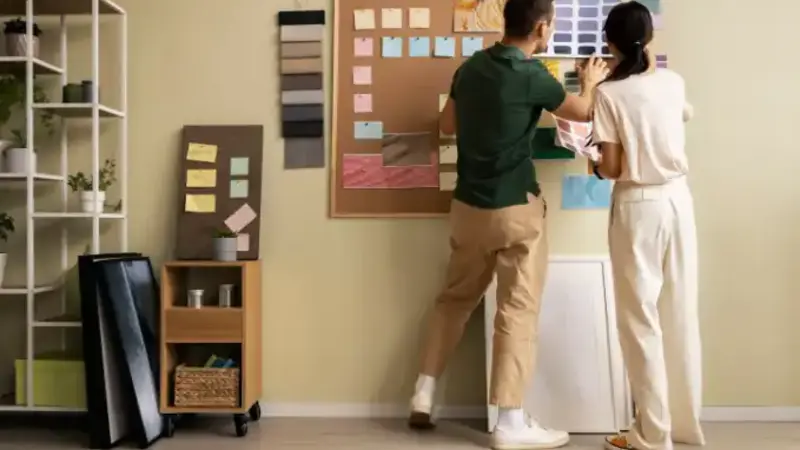
With clutter removed and functional zones established, consider light updates that enhance the overall atmosphere. Fresh paint can brighten a room and create a sense of renewal. Updated lighting improves both aesthetics and practicality.
Swapping heavy décor for simpler pieces can make a space feel open and calm.
Choose design elements that support everyday living. Durable materials, neutral tones, and flexible furniture arrangements often offer long-term versatility. Avoid filling newly cleared space with unnecessary items. Keep design choices intentional and aligned with how you want the room to function. A refreshed environment reinforces the fresh start you have created.
Maintaining a Practical Home
Transforming a packed home into a practical one requires ongoing effort.
Develop small habits that prevent clutter from returning:
- Conduct a monthly review of high-traffic areas
- Donate unused items promptly
- Avoid storing belongings “just in case”
- Implement a one-in, one-out rule for new purchases
Seasonal resets can also help maintain order. At the beginning of each season, evaluate storage areas and reassess what you truly need. Periodic Junk removal appointments can support larger cleanouts if the accumulation begins to build again. Addressing excess early prevents future overwhelm. Consistency is what keeps a home practical rather than packed.
Supporting a Healthier Mindset
A well-organized home often supports a clearer mindset.
When rooms feel open and purposeful, daily routines become easier to manage. Reduced visual clutter can improve focus and decrease stress. Spaces that reflect current needs rather than outdated habits foster a greater sense of control. Preparing your home for a fresh start is not just about aesthetics. It is about creating an environment that aligns with who you are today.
Turning Intention into Action
Resetting your home may feel like a significant undertaking, but progress begins with one deliberate step. Assess your space honestly. Remove items that no longer serve a purpose. Redesign rooms to reflect real routines. Refresh the environment with thoughtful updates.
Junk removal plays a central role in this transformation by clearing obstacles that prevent practical living. A fresh start does not require a complete renovation. It begins with clearing excess and making intentional choices about what remains. When your home shifts from packed to practical, everyday living becomes simpler, calmer, and more fulfilling.
Sponsored Blog Post