
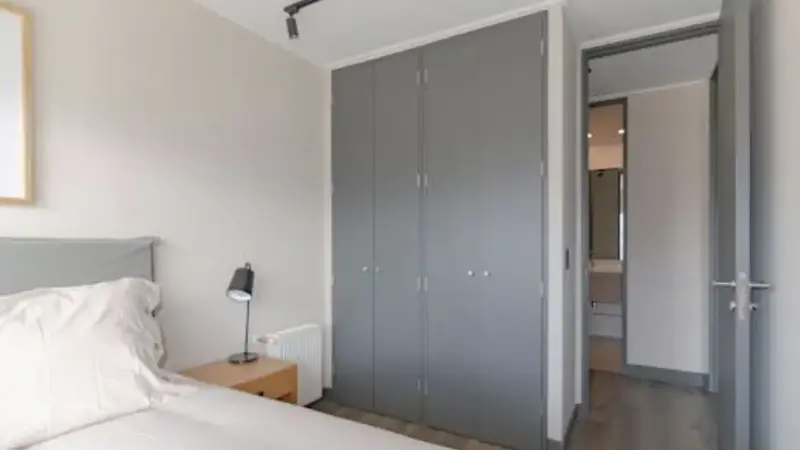
Bedrooms expose priorities in a way no office or kitchen ever does. The space sits closest to the brain’s wiring for rest, stress, and basic survival, yet people treat it like a Pinterest board that learned to swipe a credit card. The central tension looks simple: chase beauty or chase comfort. That tension fools many. A room can photograph well and still ruin sleep. It can function like a dream and still drain energy. The real question lies beneath: Which trade-offs actually change daily life, not just weekend photos?
Sleep First, Ego Later
Start with the bed, since everything else just orbits it. Mattress quality, spinal and joint support, breathable sheets, and effective blackout control determine how the brain repairs itself at night. Brands obsess over looks, but long-term energy depends more on support and temperature than on perfect styling. Suppliers of mattresses such as Nest Bedding deliver steady, deep sleep that beats the trendiest headboard in town. A stunning gallery wall never fixed back pain. Deep rest quietly upgrades focus, mood, patience, and financial decision-making, too, which means it shapes nearly every waking choice.
Design That Actually Works
Function does not mean ugly. It means every item earns its footprint. Bedside tables are designed to accommodate water, a lamp, a book, and a phone without requiring any balancing act. The lighting changes from bright and clear for folding laundry to a warm and low setting for reading. Storage that keeps floors clear is crucial, as visual clutter can be a constant source of stress. Beauty becomes sharper when the room works smoothly. A chair not buried in clothes looks better than an expensive sculpture no one can sit on comfortably, and a simple dresser that closes cleanly beats a designer piece that sticks.
When Looks Help the Brain
Aesthetics still matter, but for a reason. Color choices change heart rate and focus. Soft neutrals calm the mind, and saturated tones awaken it. Artwork can pull attention away from screens before sleep. Texture provides comfort cues that signal to the body that it can drop its guard. None of this design needs trend chasing. It needs coherence. Too many styles in one small room create visual noise, which the brain reads as work. Calm design sets a quiet stage so function can do its heavy lifting and lets small pleasures, like a favorite print or quilt, feel intentional instead of random.
How To Decide What Wins
The smart order looks simple. First, protect sleep: mattress, pillows, light control, and temperature. Second, remove friction: enough outlets, reachable switches, clear walking paths, and storage that fits actual habits instead of fantasy versions. Only then should aesthetics step in to shape mood and identity. When budgets tighten, cut decorative extras before cutting core comfort. When space shrinks, keep circulation and airiness before oversized statement pieces. Form can delight the eyes for a moment, but function quietly shapes health every single morning and quietly protects energy during stressful seasons when recovery matters most.
Conclusion
The hierarchy writes itself once daily life is measured honestly. Bodies need sleep, clean air, and easy movement before they need matching lamps and a viral rug. Function earns the first vote because it compounds over the years in energy, clarity, and long-term health. Aesthetic choices then refine the emotional tone of the room. They should support rest, not compete with it or shout for attention. In the end, the bedroom that wins is the one that lets a person forget the room entirely and simply recover, think clearly, and start each day without extra friction. See more blog.