
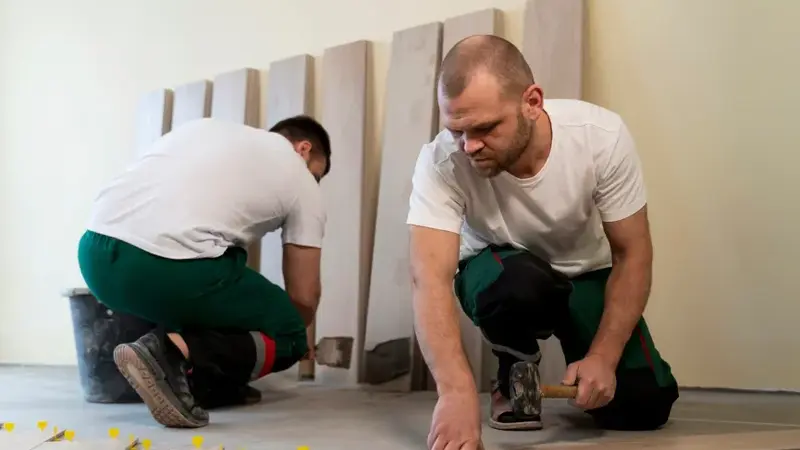
The quiet creak of a wooden floor is charming in an old country home — until that sound turns into a persistent annoyance through your everyday life. Squeaky floor is one of the most annoying and prevalent problems faced by homeowners. They jolt you from peaceful mornings, disturb resting kids and even in the most beautifully put-together space can feel far less polished.
While some people assume squeaks are a minor effect of aging wood, they’re often indicative of more serious issues that can get progressively worse if left untreated. The good news? In the right hands, those sounds can be silenced — permanently.
Understanding Why Wood Floors Start to Squeak
As a natural material wood is subject to expansion and contraction with changes in temperature and humidity. Through years of use and probably movement between boards, or possibly between the floorboards and its subfloor, friction arises and friction brings squeaks.
Put more simply, when you make wooden parts rub together, or rub against nails in this case, you get the noise we associate with creakiness. But what causes those floorboard tensions is down to how the floor was built — and cared for.
So those are some culprits of creaky floors:
- Loose floorboards: Over time, foot traffic can loosen nails or fasteners and boards may shift slightly.
- Gaps in the subfloor: This is caused by structural movement or incorrect installation of the floor.
- Seasonal expansion and contraction: Relative humidity changes cause wood to expand or contract, making joints tighter or looser.
- Aging materials: Your subfloor and joists can dry out, crack or weaken over time, leading to uneven connecting points.
- Insufficient Insulation or Support Floors built on top of empty or poorly supported cavities will shift and flex, which makes sounds even louder.
While these are small frustrations, they can also be red flags for what’s happening in the greater scheme of your pipe systems (read: instability) and should not be DIY-ed, but instead verified by a plumber.
Why DIY Fixes Rarely Last?
Well, after ambivalent YouTube tutorials suggest they should, because fixing a floor is more complicated than it looks. Sometimes a short-term fix like driving added nails or adding glue with a syringe will help, but these should be regarded as addressing the symptoms, not the problem. Even worse, they can do more harm than good to your floors unless you use the proper tools or materials.
And professionals, when they do this work well, are not merely quieting that creak — but also putting the floor back in good working order with stable alignment. They find whether noise is coming from the boards, the subfloor or down in the joists and tailor a solution that delivers timber floors which are so quiet & strong you’ll never think of them again!
How Professionals Repair Squeaky Wood Floors
Procedure When performed by skilled professionals, the procedure for eliminating squeaks is methodical and accurate, while remaining unobtrusive. Professionals start by examining the upper layer and the underlying subfloor.
There are a few different options to repair directly to the floor, all depending on what is wrong and what kind of floor it is.
- Re-securing boards: With special fasteners that will keep the boards in place but cause no visible damage.
- Stabilising the subfloor: Strengthen or re-attach base to eliminate movement.
- Inserting shims or fillers: Inserted between joists and boards as needed to remove gaps and friction.
- Lubricating joints: Utilizing safe, industrial grade materials that are quiet and reduce noise without disturbing lift clearances.
- Sanding and refinishing: Refinishing the floor may also be advisable for added durability if the squeaks are part of a larger wear problem.
Trustworthy companies like squeaky wood floor repair pros insist they strap their technicians with the right equipment and materials that will bring back your floor’s quiet confidence without taking away its beauty.
The Benefits of Professional Squeak Repair
Stopping squeaky floors not only eliminates an annoying sound, it also increases your home’s comfort, safety and value. Madame prefers a professionally repaired floor because it sounds better, yes; but also, more importantly, feels better under her feet — every step equals stability and assurance.
Homeowners can get the following benefits with professional floor repair:
- Permanent silence: Our boards are installed securely and stay silent for years.
- Improved structural stability: No gaps, no further abrasion or damage.
- A smoother, safer surface: Less movement equals fewer potential problems of cracks or “cupped” planks.
- Better indoor acoustics: Refinished flooring reduces the sound level that passes from room to room.
- Enhanced property value: Properly maintained wood flooring adds value to any home.
It’s the kind of comfort, quality, and durability that render professional repair an investment that extends far beyond short-term pay-off.
Preventing Future Squeaks
After your floors have been fixed, some simple ongoing care may ensure they remain quiet for decades. Keep indoor humidity stable to avoid over-expansion or contraction. Ensure that water cannot enter any cracks or joints, and consider having it inspected periodically if you have large temperature fluctuations in your home during the year.
They also can suggest protective finishes and underpayment improvements to help eliminate friction and extend your floor’s life, so silence is truly golden.
Restoring Quiet and Confidence Underfoot
A squeaky floor is one of those cheap bugs that just seems to undermine your very standard of living, but really it’s more like a whisper from our house saying, “Love me.” By identifying the problem early and enlisting trusted professionals, you’re not just erasing noise, you’re also preserving the integrity, strength, and comfort of your space.
With professional care, your wood floors can once again be the sturdy, silent base beneath you, a fitting foundation for the life that happens on and around them. See more blogs.