
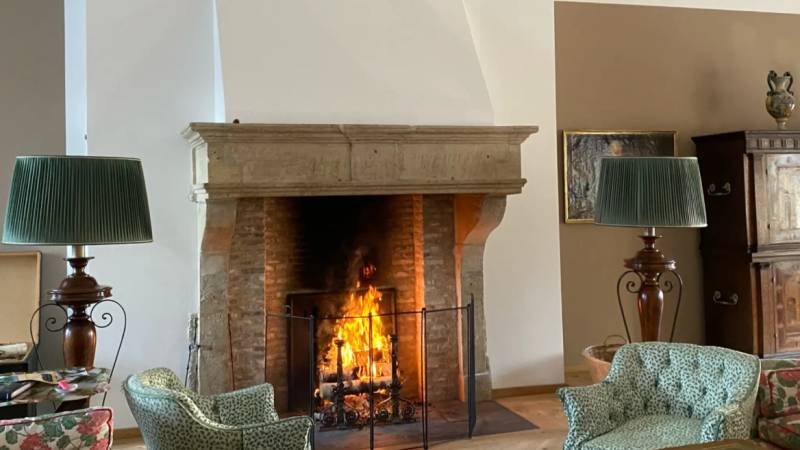
A fireplace has long been the heart of the home, providing warmth, light and a natural gathering point for families. While modern heating has changed how we keep rooms comfortable, the fireplace surround remains one of the most striking architectural features a room can have. Antique surrounds in particular offer craftsmanship and character that are difficult to reproduce today. This article explores their history, the materials and styles available, and practical advice for choosing and caring for one.
The Lasting Appeal of Period Fireplace Features
Few interior details carry as much visual weight as a well made fireplace, and decorative antique hearth surrounds are valued because they combine function with artistry. Each piece reflects the tastes, skills and materials of the era in which it was made, from the restrained elegance of Georgian design to the elaborate carving favoured in the Victorian period. Unlike mass produced modern alternatives, antique surrounds often show hand finishing, subtle variations in the stone or timber, and the gentle patina that only age can provide. For many homeowners, designers and collectors, these pieces act as a focal point around which an entire room scheme can be built. They also hold their value well, since genuine originals are finite and demand for them remains steady.
A Brief History of the Fireplace Surround
In medieval times, fireplaces were large and plain, designed mainly to heat great halls. As houses became more refined during the sixteenth and seventeenth centuries, surrounds began to appear as decorative frames, often carved from stone or oak and bearing heraldic motifs.
The Georgian era brought proportion and symmetry. Surrounds from this period usually feature classical details such as columns, friezes and simple mouldings, influenced by Greek and Roman architecture. Marble and fine timber were popular choices in grand townhouses, while painted pine was common in more modest homes.
The Victorian age saw an explosion of variety. Industrial production made fireplaces affordable, and surrounds were produced in cast iron, slate, marble, tile and carved wood. Designs became richer, with floral patterns, scrolls and ornate mantel shelves. The Edwardian period then moved towards lighter, simpler styles, often paired with tiled insets and smaller grates.
Common Materials and Their Characteristics
The material of a surround affects its appearance, durability and price.
Marble is one of the most admired options, available in white, grey, black and richly veined varieties. It suits formal rooms and tends to age gracefully, though it can stain if not cared for properly.
Stone such as limestone or sandstone gives a solid, timeless look and works well in country houses and cottages. Carved details are often deep and crisp.
Timber surrounds, usually in oak, mahogany or pine, bring warmth and can be painted or left natural. Antique wooden examples often feature intricate carving and are lighter than stone alternatives.
Cast iron was widely used in Victorian homes, often combined with decorative tiles. These surrounds are durable and detailed, with patterns that range from simple to highly ornamental.
Slate was a popular and economical choice in the nineteenth century, frequently finished to imitate marble. It is hard wearing and has a distinctive smooth surface.
Popular Design Styles
Choosing a style depends on the character of the property and the look you want to achieve.
- Georgian: Clean lines, classical proportions and understated carving
- Victorian: Rich ornamentation, arched openings and bold materials
- Art Nouveau: Flowing, nature inspired forms with decorative tiles
- Arts and Crafts: Handmade appearance, simple shapes and quality materials
- Edwardian: Lighter tones, modest decoration and neat proportions
Matching a surround to the architectural period of a house usually gives the most harmonious result, though a carefully chosen contrasting piece can also create an interesting focal point.
What to Consider Before Buying
Purchasing an antique surround requires some planning, as the piece must suit both the room and the opening it will sit around.
Measurements. Check the width and height of the chimney breast and the size of the fireplace opening. A surround that is too large will overwhelm the room, while one that is too small will look lost.
Condition. Minor chips and wear are normal and add character, but significant cracks, missing sections or heavy restoration should be assessed carefully. Ask about any repairs that have been made.
Authenticity. Reputable dealers can provide details of origin, age and materials. Reproduction pieces are common, so it is worth checking for signs of genuine age such as tool marks, natural wear and old fixings.
Safety and regulations. Before using a fireplace, have the chimney inspected and swept, and confirm that the flue is in good working order. If you plan to burn solid fuel, check local regulations, particularly in smoke control areas.
Weight and installation. Stone and marble surrounds can be extremely heavy and may require professional fitting. The floor and wall should be able to support the load safely.
Caring for and Restoring Antique Surrounds
With the right care, an antique surround can last for generations. Dust regularly with a soft cloth and avoid harsh chemical cleaners, which can damage delicate surfaces. Marble should be cleaned with a pH neutral product and wiped dry quickly to prevent staining. Timber benefits from occasional waxing, while cast iron can be treated with a suitable black grate polish to protect against rust.
If restoration is needed, it is best to consult a specialist who understands traditional techniques. Over aggressive cleaning or stripping can remove the natural patina that gives an antique its charm. Gentle conservation, rather than complete refurbishment, is generally the preferred approach.
Styling Your Fireplace
Once installed, a surround offers plenty of opportunities for decoration. A mirror above the mantel can reflect light and make a room feel larger, while candlesticks, ceramics and framed artwork add personality. In seasons when the fire is not in use, a fire screen, a basket of logs or a display of dried flowers can keep the hearth looking inviting. Keep arrangements balanced and avoid overcrowding, so that the beauty of the surrounding itself remains the centre of attention.
Conclusion
Antique fireplace surrounds offer a rare blend of history, craftsmanship and practical charm. Understanding the periods, materials and styles available helps buyers make confident decisions, while careful measuring, condition checks and proper maintenance ensure the piece performs well and lasts. Whether you are restoring a period home or adding character to a newer one, decorative antique hearth surrounds can transform a room into a space with genuine depth and personality, and they remain a worthwhile investment for anyone who appreciates quality and heritage. See more.