
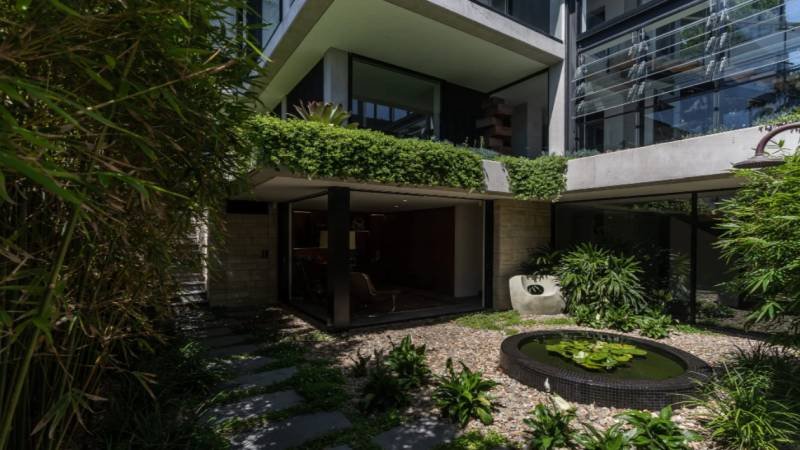
Coastal living offers a unique lifestyle, with access to beaches, ocean breezes and beautiful natural surroundings. However, landscaping a property near the coast requires more than choosing attractive plants and installing outdoor features. Coastal environments present specific challenges that can influence how gardens are designed, constructed and maintained. Salt-laden air, strong winds, sandy soils and changing moisture conditions can all affect the performance of landscaping materials, plants and outdoor structures.
For homeowners in coastal suburbs such as Collaroy and the Northern Beaches, understanding these environmental factors is essential when planning outdoor improvements. A well-designed landscape should complement the property’s surroundings while remaining practical and durable throughout the year. Projects such as the Collaroy landscape project highlight the relevance of residential landscaping in coastal locations, where design decisions should consider both visual appeal and environmental exposure. Taking a thoughtful approach to coastal landscape design can help homeowners create outdoor spaces that remain functional, comfortable and attractive over time.
Understanding the Challenges of Coastal Landscaping
Coastal environments differ from inland residential areas in several important ways. Properties located close to the ocean may experience stronger winds, increased salt exposure and soils with different drainage characteristics. These conditions can affect everything from plant health to the lifespan of outdoor structures. The level of exposure also varies depending on the property’s distance from the shoreline, elevation, surrounding buildings and natural vegetation.
Salt carried by sea breezes can accumulate on leaves, outdoor furniture, metal fixtures and other exposed surfaces. Strong winds may damage delicate plants, dry out soil and make certain outdoor areas less comfortable. Meanwhile, sandy soils can drain quickly and may struggle to retain the moisture and nutrients needed by some plant species. Understanding these conditions during the initial planning stage allows homeowners to make informed choices about landscape layouts, materials and vegetation.
Choosing Plants That Can Tolerate Coastal Conditions
Plant selection is one of the most important aspects of coastal landscape design. Not all plants can tolerate salt exposure, strong winds or sandy soil conditions. Species that thrive in sheltered suburban gardens may struggle when planted in exposed coastal locations. Selecting plants suited to the local environment can help reduce maintenance requirements and improve the likelihood of successful establishment.
Many Australian native plants are well adapted to coastal conditions, although suitability varies between species and individual sites. Coastal rosemary, certain banksias and selected grasses may be appropriate for some coastal gardens, depending on available space, soil conditions and exposure. Homeowners should also consider mature plant size, root development, sunlight requirements and ongoing watering needs. Combining suitable trees, shrubs and groundcovers can create a layered landscape that provides visual interest while helping protect more delicate plants from environmental exposure.
Managing Wind Exposure Through Landscape Design
Strong coastal winds can influence how outdoor spaces are used and how plants develop. Exposed gardens may experience increased evaporation, soil drying and physical damage to vegetation. Outdoor dining areas, seating spaces and entertaining zones can also become uncomfortable when they are positioned directly in prevailing winds. For this reason, wind management should be considered when planning the overall landscape layout.
Strategically positioned planting can help reduce wind exposure without completely blocking airflow. Layered vegetation, including suitable trees and shrubs, may provide more effective wind protection than relying on a single dense barrier. Screens, fences and other landscape structures can also contribute to sheltered outdoor areas, although their design must account for wind loads and relevant building requirements. By considering prevailing wind directions, homeowners can create more comfortable spaces for relaxing, entertaining and everyday outdoor activities.
Selecting Durable Materials for Coastal Outdoor Spaces
Outdoor materials used in coastal landscapes are exposed to conditions that can accelerate deterioration. Salt-laden air and moisture may contribute to corrosion in susceptible metals, while strong sunlight and changing temperatures can affect timber finishes, sealants and other surfaces. Materials that perform well in sheltered inland environments may require additional protection or more frequent maintenance when installed near the coast.
Choosing materials suited to the property’s exposure can improve the durability of paving, decking, retaining walls, fencing and outdoor fixtures. Appropriate grades of stainless steel, suitable protective coatings and corrosion-resistant fixings may be beneficial in certain applications. Natural stone, concrete and selected composite materials can also be considered, depending on their characteristics and intended use. However, no material is entirely maintenance-free, and suitability should be assessed according to the specific coastal conditions. Proper installation, compatible fixings and regular care are essential for maintaining long-term performance.
Addressing Sandy Soils and Drainage Requirements
Soil conditions can significantly influence landscape design in coastal areas. Many properties near beaches contain sandy soils that allow water to drain relatively quickly. Although this can reduce some surface water problems, it may also make it difficult for certain plants to retain sufficient moisture and nutrients. Other coastal properties may contain compacted soil, imported fill or areas where drainage is restricted by existing construction.
A landscape design should account for the actual soil conditions rather than assuming that every coastal property has the same requirements. Soil testing and site assessment can help determine whether improvements are necessary before planting or construction begins. Organic matter, suitable mulch and carefully planned irrigation may help improve growing conditions for selected plants. Drainage systems should also be designed to manage rainfall and prevent water from accumulating near buildings, retaining walls and paved surfaces. Effective soil and water management can support healthier gardens and reduce avoidable maintenance problems.
Designing Functional Outdoor Living Areas
Coastal homeowners often want outdoor spaces that support entertaining, relaxation and everyday family activities. However, creating a functional landscape requires careful consideration of sun exposure, wind direction, privacy and available space. A visually appealing outdoor area may become difficult to use if it receives excessive afternoon sun or remains exposed to strong coastal winds. Planning the position of seating areas, pathways and garden features can make a significant difference to comfort.
Pergolas, shade structures, screening and strategically placed vegetation can help create more usable outdoor environments. Homeowners may also consider how different areas connect with the interior of the property, particularly when designing outdoor dining spaces or entertaining zones. Paving materials should provide suitable slip resistance, especially around pools and frequently wet areas. Where outdoor levels change, steps, pathways and retaining structures should be planned with accessibility and safety in mind. A practical layout helps ensure that the landscape supports the household’s lifestyle rather than simply improving the property’s appearance.
Planning for Long-Term Coastal Garden Maintenance
Even carefully designed coastal landscapes require ongoing maintenance to remain healthy and functional. Salt deposits, wind exposure and changing weather conditions can gradually affect plants, surfaces and outdoor fixtures. Regular inspection allows homeowners to identify early signs of deterioration, such as corroded fixings, damaged plant growth, blocked drainage outlets or worn protective finishes. Addressing minor issues promptly can help prevent more extensive repairs.
Maintenance requirements should be considered during the design process rather than after construction is complete. Choosing suitable plants, installing accessible irrigation systems and selecting durable materials can reduce unnecessary work. Mulching garden beds may help retain soil moisture, while appropriate pruning can support plant health and manage growth. Homeowners should also review irrigation needs during different seasons and avoid overwatering plants that prefer well-drained conditions. A landscape designed around realistic maintenance expectations is more likely to remain attractive and practical over the long term.
Conclusion
Coastal conditions play an important role in residential landscape design, influencing plant selection, material durability, drainage, outdoor comfort and ongoing maintenance. Salt exposure, strong winds and variable soil conditions can create challenges that require careful planning. Rather than focusing solely on appearance, homeowners should consider how their landscape will perform in the surrounding environment and how different design elements will respond to changing weather conditions.
A successful coastal landscape balances visual appeal with practical design and long-term durability. Selecting appropriate vegetation, managing wind exposure, improving soil conditions and choosing suitable outdoor materials can help create spaces that complement coastal living. With thoughtful planning and professional landscaping guidance, homeowners can develop outdoor environments that are comfortable, functional and well suited to the unique conditions of their property. See more.