
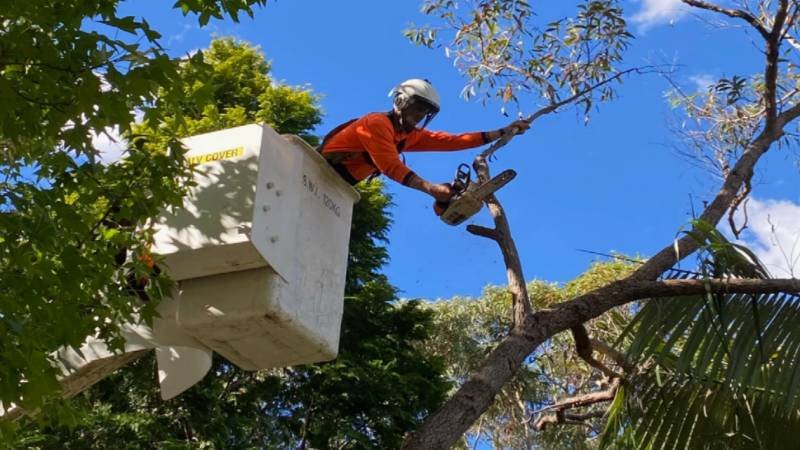
Mature trees are valuable features of residential landscapes, providing shade, privacy, visual appeal and environmental benefits. However, maintaining their health and structural condition requires more than occasionally removing unwanted branches. Incorrect pruning can weaken a tree, interfere with its natural growth and create long-term problems that may not become obvious for several years. Understanding how pruning affects mature trees is important for homeowners who want to preserve established vegetation while managing safety and property maintenance concerns.
Unlike younger trees, mature specimens may have limited capacity to respond to extensive branch removal or recover from large pruning wounds. Their size, age, species and existing condition all influence how they respond to maintenance. Homeowners considering professional tree pruning in Northern Beaches can benefit from understanding why appropriate pruning techniques and qualified arborist assessments matter. Recognising common pruning mistakes can help property owners make informed decisions that protect tree health, appearance and long-term stability.
Removing Too Much of the Tree Canopy
One of the most common pruning mistakes is removing an excessive amount of foliage during a single maintenance session. Leaves play an essential role in photosynthesis, allowing trees to produce the energy needed for growth, maintenance and natural defence processes. When too much foliage is removed, the tree may experience stress and have fewer resources available to maintain healthy tissues. The effects can be particularly significant in mature trees that are already dealing with environmental pressures or existing health problems.
Excessive canopy reduction may also encourage vigorous regrowth in some species, producing numerous shoots that can develop weak attachments. These shoots may create additional maintenance requirements and alter the tree’s natural appearance. Rather than removing large portions of the canopy without a clear purpose, pruning should be based on the tree’s condition, species and management objectives. A qualified arborist can determine whether selective branch removal, minor reduction or another approach is appropriate while retaining sufficient healthy foliage.
Making Incorrect Pruning Cuts
The location and technique of a pruning cut can significantly influence how a tree responds to branch removal. One common mistake is cutting too close to the trunk and damaging the branch collar, the slightly swollen area where a branch connects to a larger limb or trunk. This area contains tissues involved in the tree’s natural response to injury. Removing or damaging it can interfere with the tree’s ability to compartmentalise the affected area.
Another mistake is leaving excessively long branch stubs. These can die back and create opportunities for decay to develop within the remaining wood. Appropriate pruning cuts are generally made just outside the branch collar without leaving unnecessary stubs or damaging surrounding tissues. Large branches also require suitable removal techniques to prevent bark tearing and additional damage. Because mature trees often have substantial limbs, incorrect cutting methods can cause significant injury and create safety risks during the work.
Pruning at the Wrong Time of Year
Timing is another important consideration when maintaining mature trees. Although some pruning activities can be carried out throughout the year, the most suitable timing depends on the species, local climate, tree condition and reason for pruning. Certain trees may respond better when pruning occurs during particular growth stages, while others may be more vulnerable to stress, pests or diseases at specific times.
For example, removing substantial foliage during periods of extreme heat or drought may place additional pressure on a tree already experiencing moisture stress. Pruning during active flowering or fruiting periods may also affect seasonal growth and appearance. However, damaged or hazardous branches may require attention regardless of the season. Rather than following a universal pruning calendar, homeowners should consider the characteristics of the individual tree. Professional advice can help determine an appropriate maintenance schedule that accounts for seasonal conditions and long-term tree health.
Topping Trees Instead of Managing Their Natural Structure
Tree topping involves removing large portions of the upper canopy or cutting major branches back to arbitrary points. This practice is sometimes used in an attempt to reduce tree height quickly or improve views. However, topping can cause substantial damage by removing large amounts of foliage, creating significant wounds and disrupting the tree’s natural structure. It is generally considered an inappropriate pruning technique for maintaining healthy mature trees.
Following topping, some trees produce vigorous shoots around the remaining branch ends. These shoots may develop weaker attachments than naturally formed branches, potentially creating future structural concerns. Large exposed cuts can also increase the risk of decay, while the loss of canopy may expose previously shaded branches and bark to additional sunlight. Where tree size creates a genuine concern, an arborist can assess whether selective reduction pruning is appropriate. In some circumstances, other management options may be more suitable than attempting to force a mature tree into an unnatural shape.
Removing Large Branches Without Considering Tree Balance
Mature trees develop their structure over many years, with branches contributing to the distribution of weight throughout the canopy. Removing a large limb without considering the remaining structure can alter how loads are distributed across the tree. Although selective removal may sometimes be necessary, unnecessary or poorly planned pruning can affect canopy balance and expose remaining branches to different wind forces.
For example, removing several substantial branches from one side of a tree may change its appearance and influence how the canopy responds to strong winds. The outcome depends on the tree’s species, structural condition and surrounding environment. Large branch removal also creates wounds that mature trees may take considerable time to compartmentalise. Before undertaking significant pruning, an arborist should assess branch attachments, existing defects and the likely effects on the remaining canopy. A carefully planned approach helps maintain structural integrity while addressing legitimate maintenance concerns.
Using Incorrect Tools or Unsafe Pruning Methods
Pruning mature trees often requires specialised equipment and techniques because of their height, branch size and proximity to surrounding structures. Using blunt, damaged or unsuitable cutting tools can result in rough cuts and unnecessary tissue damage. Poorly maintained equipment may also make pruning more difficult and increase the likelihood of accidents. Clean, appropriate tools help produce more precise cuts and support better pruning outcomes.
Working at height introduces additional hazards, particularly when large branches are located near buildings, fences or powerlines. Attempting to remove heavy limbs without suitable training and equipment can place people and property at risk. Branches may fall unpredictably, while improper cutting techniques can cause splitting or tearing. Homeowners should avoid undertaking hazardous tree work themselves, especially around electrical infrastructure. Qualified arborists have the knowledge and equipment needed to assess risks and carry out pruning using appropriate safety procedures.
Ignoring Tree Health and Local Council Requirements
Another common mistake is pruning a mature tree without first assessing its overall condition. A tree experiencing disease, decay, root damage or environmental stress may respond differently to pruning than a healthy specimen. Removing branches without identifying underlying problems can place additional pressure on the tree or fail to address the actual cause of concern. Signs such as deadwood, unusual leaf loss, fungal growth or changes in branch structure may warrant further investigation before maintenance begins.
Homeowners should also consider local tree protection requirements before arranging significant pruning. In parts of Sydney’s Northern Beaches, certain trees and vegetation may be protected under council planning controls or other regulations. The need for approval can depend on the tree’s characteristics, location and proposed work. Some activities may be exempt, but homeowners should not assume that all pruning can be undertaken without permission. Checking the applicable requirements and obtaining professional advice can help ensure that tree maintenance is both appropriate and compliant.
Conclusion
Proper tree pruning is an important part of maintaining mature trees, but incorrect techniques can create lasting problems. Excessive canopy removal, poor pruning cuts, unsuitable timing, topping and unnecessary large branch removal can all affect tree health and structure. These mistakes may also increase future maintenance requirements or create safety concerns that could have been avoided through careful planning.
Mature trees benefit from pruning decisions based on their species, condition, natural growth patterns and surrounding environment. Rather than treating pruning as a simple process of removing unwanted branches, homeowners should consider how each cut may influence the tree’s long-term development. With appropriate assessment, professional techniques and an understanding of local requirements, established trees can be maintained in ways that support their health, structural condition and continued contribution to residential landscapes. See more.