Rural homes often have plumbing systems that differ from those found in suburban properties. While the basic purpose of household plumbing remains the same, factors such as property size, water supply arrangements, drainage infrastructure and distance from essential services can influence how these systems operate. Homes located in regional and rural areas may also have additional plumbing components that require regular attention to maintain reliable water supply and wastewater management.
Understanding these differences can help homeowners identify potential problems and develop a more suitable maintenance routine. Property owners seeking advice from Burren Plumbing’s Kangaroo Valley team can discuss plumbing concerns associated with their property’s layout, age and infrastructure. By recognising the specific requirements of rural plumbing systems, homeowners can take practical steps to reduce unexpected disruptions and maintain essential services throughout the year.
Rural Properties May Have Different Water Supply Arrangements
One of the main differences between rural and suburban plumbing is the way water reaches the property. While many suburban homes rely on established mains water connections, some rural properties use rainwater tanks, bore water or a combination of water sources. These arrangements may involve additional equipment, including pumps, filtration systems, pressure controllers and storage tanks. Each component plays a role in delivering water to household fixtures and may require periodic inspection or maintenance.
For properties that depend on stored water, maintaining tank condition and monitoring water quality are particularly important. Sediment accumulation, damaged fittings and poorly maintained pumps can affect water delivery and system performance. Homeowners should also understand which water sources are suitable for drinking and other household uses, as treatment requirements can vary. Regular checks of the water supply system can help identify developing issues before they interrupt everyday activities such as showering, washing and cooking.
Longer Pipe Runs Can Make Plumbing Problems Harder to Detect
Rural properties often occupy larger blocks of land, which can mean longer distances between water sources, buildings and plumbing fixtures. Underground pipes may extend across gardens, driveways, paddocks or landscaped areas. Because these pipes are frequently concealed beneath soil or vegetation, identifying leaks and other problems can be more challenging than in properties with shorter and more accessible plumbing connections.
A small underground leak may remain unnoticed for some time, particularly when it does not create an obvious wet patch or affect indoor fixtures immediately. Changes in water pressure, unexpected pump activity, persistently damp ground or unusual water usage may indicate that further investigation is necessary. Homeowners should pay attention to these warning signs and arrange professional assessment when something appears unusual. Early investigation may help limit water loss and reduce the likelihood of more extensive damage to surrounding areas.
Septic and On-Site Wastewater Systems Require Special Attention
Some rural homes are not connected to a centralised sewer network and instead rely on septic tanks or other on-site wastewater management systems. These systems collect and treat household wastewater before it is discharged or dispersed through an approved arrangement. Their performance depends on factors such as system design, household water usage, soil conditions and appropriate maintenance. Unlike properties connected to mains sewerage, homeowners may be responsible for arranging regular servicing and monitoring the condition of their wastewater system.
Maintenance requirements vary depending on the type and capacity of the system. Septic tanks may require periodic desludging, while more complex treatment systems can have additional servicing obligations. Warning signs such as slow drainage, unpleasant odours, wastewater surfacing or unusually wet areas near the disposal field should not be ignored. Homeowners should follow the manufacturer’s instructions and relevant local council requirements, and use appropriately qualified service providers for inspections, repairs and maintenance.
Outdoor Plumbing Is More Exposed to Environmental Conditions
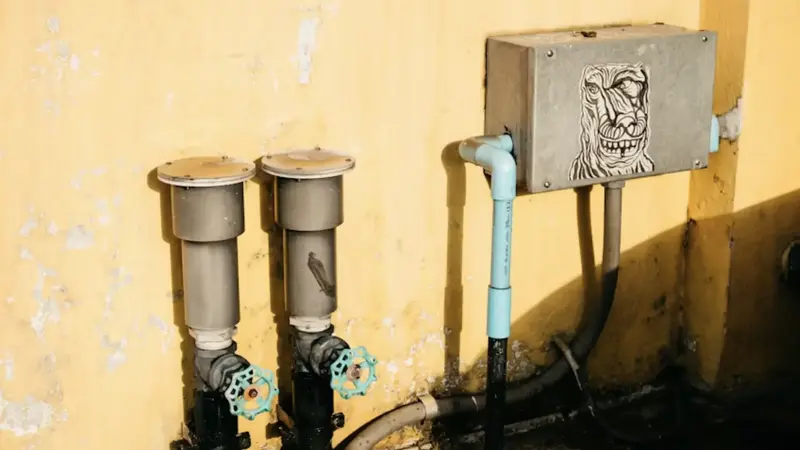
Rural homes may have extensive outdoor plumbing serving gardens, sheds, livestock areas, irrigation systems or additional buildings. These fixtures and connections are often exposed to sunlight, changing temperatures, ground movement and general wear. Over time, outdoor taps, hoses, valves and exposed pipes can deteriorate, particularly when they are not inspected regularly or are located in areas that are difficult to access.
Seasonal weather can also influence the condition of outdoor plumbing. Heavy rainfall may affect drainage systems, while prolonged dry conditions can contribute to soil movement that places stress on buried pipes. In areas experiencing low temperatures, exposed water pipes may require suitable protection against freezing. Regularly checking visible pipework, securing loose fittings and repairing damaged fixtures can help maintain reliable outdoor water access. Any modifications to fixed plumbing should be carried out by appropriately licensed professionals.
Older Rural Homes May Have Ageing Plumbing Infrastructure
Many established rural properties have undergone extensions, renovations or changes in use over several decades. As a result, their plumbing systems may include materials and components installed at different times. Older pipes, valves and fittings can deteriorate through corrosion, wear or repeated exposure to changing conditions. Previous alterations may also have created plumbing arrangements that are less efficient or more difficult to maintain than modern installations.
When purchasing or renovating an older rural home, it is worth arranging an assessment of the existing plumbing infrastructure. A licensed plumber can inspect accessible components, identify signs of deterioration and recommend further investigation where necessary. Particular attention may be needed when adding bathrooms, upgrading hot water systems or extending water services to additional buildings. Understanding the condition and capacity of the existing system can help homeowners plan improvements without placing unnecessary strain on ageing infrastructure.
Preventative Maintenance Can Reduce Unexpected Disruptions
Plumbing problems can be particularly inconvenient for rural households, especially when a property relies on its own water storage, pumps or wastewater treatment equipment. A failed pump or damaged supply pipe may interrupt water access until repairs are completed. Depending on the property’s location and the nature of the problem, obtaining replacement components or arranging specialist services may also require additional planning. Preventative maintenance can help identify components that need attention before they fail unexpectedly.
A practical maintenance routine may include checking visible pipes and fittings for leaks, monitoring water pressure, inspecting pump operation and arranging appropriate servicing for wastewater systems. Homeowners should also become familiar with the location of important shut-off valves and understand how to isolate the water supply during an emergency. Keeping records of previous repairs, equipment servicing and plumbing alterations can make future maintenance easier. These measures support more consistent system performance and help homeowners respond effectively when problems arise.
Conclusion
Rural homes can have plumbing maintenance requirements that differ considerably from those of suburban properties. Alternative water supplies, longer underground pipe networks, on-site wastewater systems and extensive outdoor plumbing can introduce additional components that need regular attention. The age of the property, local environmental conditions and existing infrastructure can also influence the type and frequency of maintenance required.
Taking a proactive approach to plumbing maintenance can help rural homeowners protect their water supply, maintain effective drainage and reduce unexpected interruptions. Understanding how the property’s plumbing systems operate is an important first step, followed by regular inspections and timely repairs when warning signs appear. With appropriate maintenance and professional assistance when required, rural households can keep their plumbing systems functioning reliably while reducing the risk of avoidable problems. See more.