
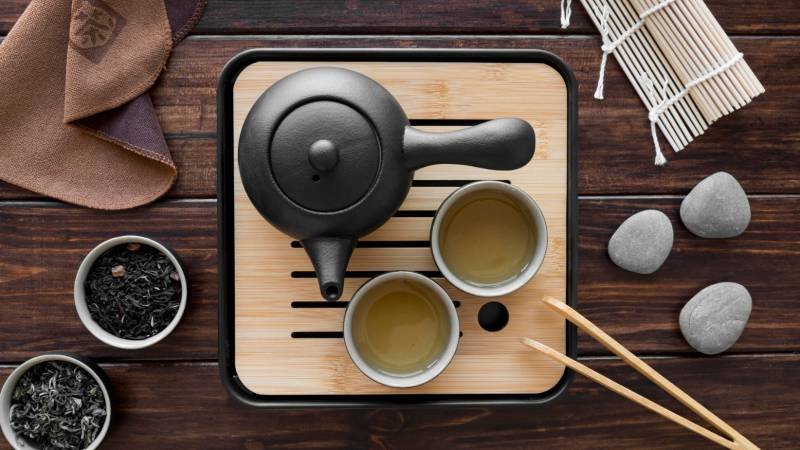
Japanese tea culture has a rich history that is closely connected to the unique teapots used in its preparation. Understanding the distinctions between various types of Japanese teapots is essential for enthusiasts who appreciate both the aesthetic and functional qualities of tea brewing. Among the most renowned teapots are the kyusu, shiboridashi, and houhin. This article offers a plain but comprehensive guide to these traditional vessels, clarifying their design, use, and cultural significance.
The IKKYU Tea artisan tea selection provides a remarkable variety of teas that pair excellently with these teapots, ensuring a refined tea experience. Exploring these teapots gives insight into how Japanese tea ceremonies and casual tea drinking alike benefit from thoughtfully crafted brewing ware.
Kyusu: The Traditional Side-Handle Teapot
The kyusu, often recognised by its distinct side handle, is perhaps the most iconic Japanese teapot. This design expedites pouring and offers better control, making it popular for everyday tea preparation. Kyusu teapots typically hold around 250 to 350 millilitres of tea, modestly sized to serve two to three cups.
The body of a kyusu is generally made of ceramic or porcelain, with some crafted from clay known as Tokoname-yaki, a famous production style from Aichi Prefecture. This type of clay enhances the flavour of green tea by absorbing excess bitterness.
A built-in strainer is often present at the spout of the kyusu, which filters tea leaves effectively, ensuring clarity in the brewed tea. The design layout of this teapot facilitates easy rinsing and maintenance, which is appreciated by those who frequently brew tea.
Shiboridashi: The Small Open-Top Teapot
Shiboridashi is a smaller, open-topped teapot style used predominantly for brewing delicate green teas such as gyokuro and sencha. This teapot lacks a handle; instead, it is designed to be held by the body while pouring with a gently curved spout.
The open top of the shiboridashi allows for loose tea leaves to be easily added and removed, which supports careful brewing and observation of tea leaves expansion. These teapots are usually made from glazed porcelain or clay and come in a variety of aesthetic finishes.
Shiboridashi teapots are excellent for brewing teas that require precise water temperature control and shorter steeping times. Their size generally accommodates 150 to 200 millilitres, tailored to single servings or small, intimate tea moments.
Houhin: The Handleless Teapot with a Lid
The houhin is a teapot variant that combines features of both the kyusu and shiboridashi. It has no handle but includes a lid and a spout, making it compact yet practical. Typically used for brewing high-quality green teas, the houhin accentuates precision in pouring and temperature control.
The houhin usually holds around 200 to 250 millilitres, similar in capacity to shiboridashi, and is crafted from ceramics or porcelain. It is particularly valued for its elegant simplicity and efficiency in tea preparation.
The absence of a handle encourages careful handling and appreciation of the tea brewing ritual itself. Pouring from a houhin requires steadiness and focus, which some tea drinkers find enhances their mindfulness during tea enjoyment.
Differences and Choosing the Right Teapot
The primary distinctions among kyusu, shiboridashi, and houhin lie in their shape, presence or absence of a handle, and typical usage scenarios. Kyusu’s side handle favours ease of pouring during casual tea consumption. Shiboridashi’s open top and lack of handle offer greater control over delicate teas. Houhin balances the two, providing a handleless pot with a lid for refined brewing.
When selecting a teapot, one must consider the type of tea intended for brewing. Delicate leaves like gyokuro and high-grade sencha respond well to the open design of a shiboridashi or the precision of a houhin. For everyday green teas, a kyusu is often ideal for its practicality and volume.
Tea Pairings with Japanese Teapots
Each teapot type complements specific teas that harmonise with their brewing characteristics. For instance, the kyusu is well-suited for a variety of green teas, including sencha and bancha. The shiboridashi shines when used for high-grade teas requiring careful brewing, such as gyokuro.
Also worthy of mention are roasted and aged teas, which have gained widespread popularity. Houjicha is a roasted green tea with a distinctive toasty flavour that is ideally brewed in a kyusu or houhin for a balanced extraction. Its lower caffeine content and warm aroma make it a comforting choice throughout the day.
Similarly, oolong tea offers a semi-oxidised flavour profile that can be appreciated when brewed in these teapots, particularly houhin and kyusu, which allow for optimal control over infusion time and temperature.
Caring for Japanese Teapots
Proper care extends the longevity and functionality of Japanese teapots. It is essential to avoid soaps or detergents that might affect the taste of future brews, especially when dealing with porous clay kyusu.
Rinsing the teapot thoroughly with warm water and leaving it to air dry in an upright position is recommended. For teapots with built-in strainers, careful cleaning with a soft brush prevents blockages without damaging the ceramic.
Storing teapots in a dry, well-ventilated space prevents mould and preserves the delicate craftsmanship. Regular use also showcases the beauty of ageing particularly in clay teapots, where a patina develops enhancing tea flavour over time.
Conclusion
Understanding the particularities of Japanese teapots like kyusu, shiboridashi, and houhin enriches the experience of tea appreciation. Each has been designed with specific intentions tied to the tea types and brewing rituals they support.
Choosing the right teapot involves considering the tea variety, personal preferences in brewing style, and desired volume. Integrating the expertise found in the IKKYU Tea artisan selection guarantees not only quality teas but also the appropriate teaware to heighten the sensory pleasures of tea drinking.
By exploring these three classic teapot types, tea enthusiasts can cultivate a deeper appreciation of Japan’s meticulous tea culture and enjoy their tea rituals with greater sophistication and mindfulness. See more.

