Introduction
Decorating a home is one of the most enjoyable ways to express your personality and create a comfortable living environment. A beautifully decorated house does not need expensive furniture, luxury accessories, or professional interior designers. With thoughtful planning, suitable colors, practical furniture arrangements, and simple decorative elements, anyone can transform an ordinary home into a welcoming space.
If you are searching for how to decorate my house decoradhouse, the first step is to understand your personal style and the needs of your home. Every room has a different purpose, and the right decorating choices can make your living space more attractive, organized, and functional.
This guide explores practical home decorating ideas, including color combinations, furniture placement, lighting, wall decoration, storage solutions, and room by room styling. Whether you live in a small apartment or a large family house, these ideas can help you create a home that reflects your taste and lifestyle.
Understanding the Decoradhouse Home Decorating Approach
Decoradhouse style can be understood as a practical approach to creating a beautiful and comfortable home through thoughtful design choices. It focuses on simplicity, organization, balanced colors, useful furniture, and decorative elements that make a space feel personal.
The goal is not to fill every corner with accessories. Instead, it is to create a balanced environment where each item has a purpose and contributes to the overall appearance of the room.
When exploring how to decorate my house decoradhouse, consider three important principles: comfort, functionality, and visual harmony. These principles help you make decorating decisions that look attractive while supporting everyday living.
Start With a Clear Decorating Plan
Before purchasing furniture or accessories, take time to plan your decorating project. A clear plan helps you understand what your home needs and prevents unnecessary spending.
Begin by walking through each room and identifying areas that need improvement. You may notice that a living room needs better lighting, a bedroom needs more storage, or a dining area feels crowded.
Write down your priorities and decide which changes should happen first.
Identify Your Decorating Goals
Think about what you want to achieve with your home decoration.
Some people want a modern and minimal appearance, while others prefer a warm, traditional, or colorful environment. Your decorating goals should reflect your lifestyle, personal preferences, and household needs.
Choose a few words that describe the atmosphere you want to create, such as cozy, elegant, bright, natural, or contemporary.
Set a Realistic Budget
A decorating budget helps you decide where to spend money and where simple improvements may be enough.
You do not need to replace everything at once. Repainting a wall, rearranging furniture, changing curtains, or adding a few decorative accessories can noticeably improve a room.
Prioritize essential furniture and functional improvements before purchasing items that serve only a decorative purpose.
Choose the Right Color Combination
Color plays an important role in home decoration because it influences the visual atmosphere of a room.
A coordinated color palette helps different elements work together and creates a sense of consistency throughout the house.
Use Neutral Colors as a Foundation
Neutral colors such as white, cream, beige, taupe, and light gray can create a calm and versatile background.
These shades work well for walls, larger furniture pieces, and other major surfaces. They also make it easier to introduce different accent colors through accessories.
Add Accent Colors for Personality
Accent colors bring character and visual interest to a room.
You can introduce shades such as sage green, navy blue, terracotta, mustard yellow, or muted pink through cushions, artwork, rugs, and decorative objects.
Choose one or two accent colors and repeat them naturally throughout the space.
Maintain Color Consistency
A home feels more connected when its rooms share a few colors or materials.
You do not need to paint every room the same shade. Instead, repeat related colors through curtains, furniture, decorative pieces, and textiles.
This approach helps create a coordinated appearance without making every room look identical.
Decorate Your Living Room for Comfort and Style
The living room is often one of the most frequently used areas of a home. It may serve as a place for family gatherings, relaxation, entertainment, and welcoming guests.
A comfortable living room should have a practical furniture arrangement, suitable lighting, and a balanced combination of decorative elements.
Arrange Furniture for Easy Movement
Start by identifying the main focal point of the living room. It may be a television, fireplace, large window, or attractive piece of artwork.
Arrange the sofa and chairs to support conversation and comfortable movement.
Avoid placing too much furniture in a small space. Leave clear pathways so people can move around without difficulty.
Add Comfortable Cushions and Throws
Soft furnishings can make a living room feel more welcoming.
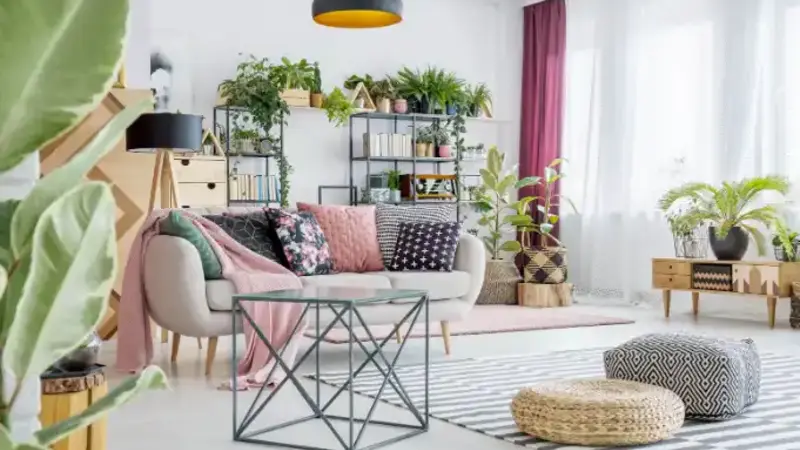
Decorative cushions, cozy throws, and textured blankets introduce color and softness without requiring major changes.
Choose fabrics that complement your furniture and suit the climate and everyday use of your home.
Use a Rug to Define the Seating Area
A rug can help visually connect the sofa, chairs, and coffee table.
Choose a size that suits the room and allows the furniture to feel connected rather than scattered.
Patterns and textures can also add character to a neutral living room.
Create a Relaxing Bedroom
A bedroom should feel comfortable, peaceful, and personal. Its decoration should support rest while providing enough space for everyday activities.
Choose Soft and Calming Colors
Soft neutral shades, muted greens, gentle blues, and warm earth tones can create a relaxing atmosphere.
You can introduce additional colors through bedding, cushions, curtains, and small decorative accessories.
Avoid combining too many competing patterns if you want a calm and balanced appearance.
Improve Bedding and Textures
Bedding is one of the most noticeable elements in a bedroom.
Clean sheets, comfortable blankets, and coordinated pillow covers can improve the appearance of the bed without requiring expensive furniture.
Layering different fabrics can add depth and make the bedroom feel more inviting.
Keep Bedroom Furniture Practical
Choose bedside tables, wardrobes, and storage furniture according to the size of the room.
Avoid placing unnecessary furniture around the bed because it can make the room feel crowded.
A simple layout with enough walking space can improve both comfort and appearance.
Decorate Your Kitchen With Practical Ideas
The kitchen should be organized, functional, and visually appealing.
Because it is used frequently, decorating choices should support cleanliness, accessibility, and efficient daily activities.
Keep Countertops Organized
Clear countertops create a cleaner and more spacious appearance.
Keep frequently used items accessible while storing less frequently used appliances in cabinets or designated storage areas.
A small tray can help organize everyday essentials without making the counter look cluttered.
Add Decorative Kitchen Accessories
Simple accessories can make a kitchen feel more personal.
Consider ceramic containers, attractive dish towels, wooden cutting boards, small plants, or coordinated storage jars.
Choose items that complement the kitchen’s existing colors and finishes.
Improve Kitchen Lighting
Good lighting helps make food preparation and cleaning more comfortable.
Under cabinet lighting can brighten work surfaces, while pendant lights can add decorative interest above a kitchen island or dining counter.
Choose lighting that supports both practical tasks and the overall design.
Make Your Dining Room More Inviting
The dining room should feel welcoming and comfortable for everyday meals and special occasions.
A thoughtfully arranged dining area can become an important gathering place for family and friends.
Choose the Right Dining Table
Select a dining table that fits the available space and the number of people who regularly use it.
Round tables can work well in certain smaller rooms, while rectangular tables may suit longer spaces.
Make sure chairs can be pulled out comfortably without blocking nearby pathways.
Add a Centerpiece
A centerpiece can give the dining table a finished appearance.
A vase of flowers, a simple bowl, a decorative tray, or a small arrangement of greenery can work well.
Keep the centerpiece low enough to allow comfortable conversation across the table.
Coordinate Chairs and Table Accessories
Matching colors and materials can create a cohesive dining area.
You can use coordinated placemats, table runners, chair cushions, or decorative lighting to connect the different elements.
Decorate Your Bathroom With Simple Details
Bathrooms can look fresh and organized with a few thoughtful decorating choices.
The main goal is to maintain a clean, functional environment while adding small details that improve the overall appearance.
Use Coordinated Towels and Accessories
Matching towels, soap dispensers, and storage containers can make a bathroom look more organized.
Choose colors that complement the tiles, walls, and existing fixtures.
Improve Storage
Storage baskets, shelves, and cabinet organizers can help keep toiletries and everyday essentials in their proper places.
Reducing visible clutter can make even a small bathroom feel more spacious.
Add Suitable Decorative Elements
Small plants that tolerate the bathroom environment, simple artwork, and attractive containers can add personality.
Choose materials that are appropriate for humidity and easy to maintain.
Transform Empty Walls With Creative Decoration
Walls provide an opportunity to introduce color, texture, and personal style.
Instead of leaving every wall empty or filling every available space, choose decorative elements that complement the room.
Create a Gallery Wall
A gallery wall can display family photographs, artwork, illustrations, or meaningful prints.
Choose frames that share a color or finish to create a coordinated appearance.
Before hanging anything, arrange the frames on the floor to experiment with spacing and layout.
Use Mirrors to Add Visual Space
Mirrors can reflect light and create a sense of openness.
A large mirror may work well in an entryway or living room, while smaller mirrors can add decorative interest to bedrooms and hallways.
Position mirrors carefully so they reflect an attractive view or useful source of light.
Add Shelves for Display and Storage
Wall shelves provide space for books, plants, framed photographs, and small decorative objects.
They can also help keep floors and tables clear.
Avoid overcrowding shelves. A balanced arrangement of objects in different heights and textures often looks more appealing.
Choose the Right Lighting for Every Room
Lighting affects how a room looks and how comfortably it can be used.
A thoughtful lighting plan combines general illumination with task lighting and decorative accents.
Use Ambient Lighting
Ambient lighting provides the main illumination for a room.
Ceiling lights, recessed lights, and other general fixtures can help create a comfortable level of brightness.
Choose lighting that suits the size and purpose of the room.
Add Task Lighting
Task lighting supports specific activities such as reading, cooking, working, or applying makeup.
Desk lamps, bedside lamps, and under cabinet lights can improve functionality.
Create Warmth With Accent Lighting
Accent lighting highlights decorative features and creates visual interest.
Table lamps, wall lights, and carefully positioned floor lamps can make living areas feel more inviting.
Use a consistent lighting style to help different rooms feel connected.
Use Curtains and Window Treatments Effectively
Curtains can improve privacy, control incoming light, and contribute to the overall style of a room.
The right window treatment depends on the room’s size, lighting needs, and existing color palette.
Choose Suitable Curtain Colors
Neutral curtains can blend naturally with the rest of the room, while patterned or colorful curtains can create a decorative focal point.
Consider how the fabric looks in both daylight and artificial lighting.
Select the Right Curtain Length
Long curtains can create a graceful appearance when appropriately fitted.
In rooms where practicality is important, choose a length that does not interfere with doors, radiators, or everyday movement.
Balance Privacy and Natural Light
Sheer curtains allow daylight to enter while providing some visual privacy.
Blackout curtains may be useful in bedrooms where controlling outside light is important.
Layering window treatments can provide greater flexibility.
Bring Nature Indoors With Plants
Indoor plants can introduce natural color and texture into a home.
They can also help create a connection between indoor spaces and the natural environment.
Choose Plants According to Lighting
Different plants require different levels of light, humidity, and care.
Consider the conditions in your room before choosing a plant.
Low light tolerant varieties may work better in rooms with limited sunlight, while sun loving plants need brighter locations.
Use Plants as Decorative Accents
Place plants on shelves, side tables, windowsills, or suitable floor spaces.
Larger plants can fill empty corners, while smaller plants can add detail to desks and tables.
Avoid overcrowding surfaces with too many pots.
Select Suitable Plant Containers
Planters made from ceramic, clay, metal, or woven materials can complement different decorating styles.
Choose containers that provide suitable drainage and match the needs of the plant.
Decorate Small Spaces With Smart Solutions
Small homes and apartments can still look stylish and comfortable when furniture and decorative elements are selected carefully.
The key is to make the most of available space without sacrificing functionality.
Choose Multifunctional Furniture
Furniture that serves more than one purpose can be useful in compact homes.
Examples include storage ottomans, beds with drawers, nesting tables, and desks that can be folded away when not needed.
These pieces can help reduce clutter while making the room more practical.
Use Vertical Space
Wall shelves, tall bookcases, and hooks can provide additional storage without taking up much floor space.
Vertical storage can also help organize items that would otherwise occupy tables or counters.
Keep the Color Palette Simple
A limited color palette can help a small room feel visually connected.
Light colors may make a space feel brighter, while carefully chosen darker accents can add depth.
The most important factor is creating a balanced arrangement that suits the room.
Decorate Your Entryway and Hallway
The entryway creates the first impression of your home.
Even a small entrance can look organized and attractive with a few practical details.
Add a Console Table or Small Bench
A narrow console table can provide a place for keys, mail, and decorative accessories.
A small bench can make it easier to put on shoes while providing a practical seating option.
Choose furniture that fits the available space without blocking the entrance.
Use a Mirror and Decorative Accessories
A mirror can brighten the entryway and provide a convenient place for a final appearance check before leaving home.
A small vase, framed photograph, or decorative bowl can add personality.
Keep the arrangement simple and functional.
Organize Shoes and Everyday Items
Shoe racks, baskets, and wall hooks can help prevent clutter near the entrance.
Designate a place for commonly used items so they remain easy to find.
Add Personal Touches to Your Home
A well decorated home should reflect the people who live in it.
Personal objects can make rooms feel meaningful and comfortable rather than overly staged.
Display Family Photographs
Family photographs can add warmth to living rooms, hallways, and bedrooms.
Choose frames that complement the surrounding furniture and colors.
Include Meaningful Artwork
Artwork can express your personality and create a focal point in a room.
Choose pieces that reflect your interests, memories, or preferred style.
Display Books and Collections
Books, travel souvenirs, handmade objects, and other meaningful possessions can add character to your home.
Display them thoughtfully so they enhance the space without creating unnecessary clutter.
Decoradhouse Home Decoration Ideas on a Budget
Decorating your home does not require a large financial investment.
Many attractive improvements can be achieved by making better use of the furniture and accessories you already own.
Rearrange Existing Furniture
Changing the position of a sofa, chair, table, or bookshelf can give a room a fresh appearance.
Experiment with different arrangements while keeping pathways clear and maintaining comfortable seating.
Refresh Old Furniture
A clean, repaired, or refinished piece of furniture can look noticeably different.
Changing cabinet handles, repainting suitable furniture, or adding new cushions can provide a simple update.
Shop Carefully for Decorative Accessories
Look for items that fit your existing color palette and serve a clear purpose.
Secondhand furniture, affordable textiles, and simple decorative accessories can help you create a personalized home without overspending.
Focus on One Room at a Time
Decorating the entire house at once can become expensive and overwhelming.
Choose one room, complete the most important improvements, and then move on to another space.
This approach makes it easier to manage your budget and evaluate the results.
Common Home Decorating Mistakes to Avoid
Even attractive furniture and accessories can look out of place when they are not selected carefully.
Understanding common mistakes can help you make more effective decorating decisions.
Buying Furniture Without Measuring
Furniture that is too large or too small can disrupt the balance of a room.
Measure the room, doorways, and available pathways before purchasing major pieces.
Using Too Many Colors and Patterns
Combining too many competing colors and patterns can make a room feel visually crowded.
Choose a coordinated palette and introduce variety through carefully selected textures and accents.
Ignoring Lighting
A room may feel uncomfortable if it is too dark or overly bright.
Consider how natural and artificial lighting affect the space throughout the day.
Over Decorating Surfaces
Filling every shelf, table, and countertop with accessories can make a room feel cluttered.
Leave some open space so important decorative pieces can stand out.
Following Trends Without Considering Personal Needs
Decorating trends can provide inspiration, but not every trend suits every home.
Choose furniture, colors, and accessories according to your lifestyle, comfort, and personal preferences.
How to Decorate My House Decoradhouse Step by Step
If you are unsure where to begin, follow a simple decorating process that makes each decision easier.
Step 1: Evaluate Your Home
Walk through each room and identify what works well and what needs improvement.
Consider furniture placement, lighting, storage, color, and everyday functionality.
Step 2: Select Your Style and Color Palette
Choose a general decorating direction and a small group of colors that complement one another.
This creates a foundation for selecting furniture and accessories.
Step 3: Organize and Declutter
Remove unnecessary items and organize belongings before adding new decorations.
A clean and organized space makes it easier to see what the room actually needs.
Step 4: Arrange Essential Furniture
Place the main furniture pieces first.
Make sure each room supports its intended activities and has enough space for comfortable movement.
Step 5: Add Lighting and Textiles
Introduce suitable lighting, curtains, rugs, cushions, and other textiles.
These elements can help create a comfortable atmosphere and connect the room’s different colors.
Step 6: Add Decorative Accessories
Finish with artwork, plants, photographs, books, and other personal items.
Choose accessories that complement the overall design instead of competing with it.
Step 7: Review and Adjust
Spend some time using the room before deciding whether additional changes are necessary.
You may discover that a different furniture arrangement or a few small adjustments make the space more comfortable.
Frequently Asked Questions
How to decorate my house decoradhouse on a small budget?
Start by organizing your home, rearranging existing furniture, and choosing a consistent color palette. Add affordable accessories such as cushions, plants, artwork, or curtains gradually.
What is the easiest way to make a house look beautiful?
Keeping rooms organized, using coordinated colors, arranging furniture carefully, improving lighting, and adding a few personal decorative elements can make a noticeable difference.
Which colors are suitable for home decoration?
Neutral shades such as cream, beige, white, and light gray provide a versatile foundation. Accent colors such as sage green, navy blue, or terracotta can add personality.
How can I decorate a small house?
Use appropriately sized furniture, multifunctional storage, vertical shelving, mirrors, and a coordinated color palette. Keep pathways clear and avoid unnecessary decorations.
How can I decorate my living room without buying new furniture?
Rearrange your existing furniture, change cushion covers, introduce a rug, improve lighting, and display artwork or plants. Small changes can refresh the room without replacing major items.
How do I make all the rooms in my house look connected?
Repeat a few colors, materials, finishes, or decorative details throughout the home. Each room can have its own personality while maintaining a consistent overall style.
How often should I update my home decoration?
There is no fixed schedule. You can update your home whenever your needs or preferences change. Small seasonal adjustments can refresh a space without requiring a complete redesign.
Conclusion
Learning how to decorate my house decoradhouse starts with understanding your space, defining your personal style, and making thoughtful decorating choices. A beautiful home does not depend on expensive furniture or an abundance of decorative accessories. It depends on creating a balanced environment that supports comfort, functionality, and personal expression.
From choosing suitable colors and arranging furniture to improving lighting, organizing storage, and adding meaningful decorative pieces, small improvements can transform the appearance of your home.
By working room by room, setting a realistic budget, and choosing elements that complement one another, you can create a welcoming and stylish living space that reflects your personality. The most successful home decoration is one that makes your house feel comfortable, practical, and truly yours. See more.