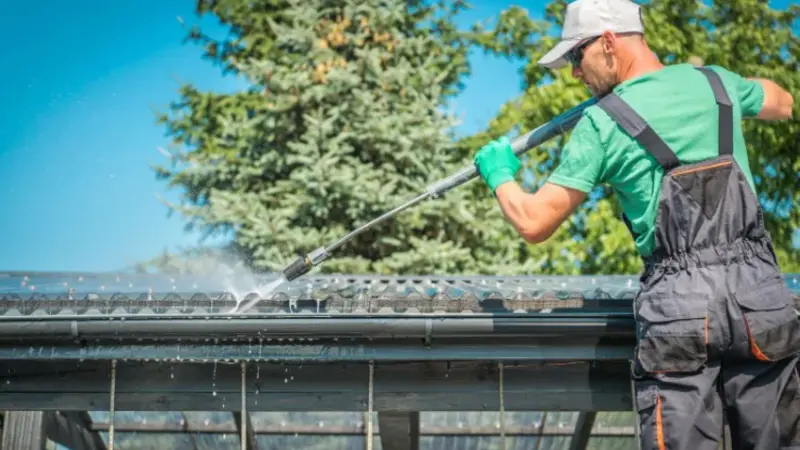
A slow or frequently clogged drain does not always mean you need major plumbing work. In many cases, the problem can be resolved with professional hydro jetting. But when blockages keep coming back or the sewer line itself is damaged, cleaning the pipe may only provide temporary relief.
Understanding the difference between a dirty sewer line and a damaged sewer line can help homeowners know when hydro jetting makes sense—and when sewer repiping may be the better long-term solution.
What Is Hydro Jetting?
Hydro jetting is a professional drain and sewer cleaning method that uses highly pressurized water to remove buildup from the inside of a pipe.
Unlike a basic drain snake, which may simply punch a hole through a blockage, hydro jetting can clean material from the pipe walls. Depending on the condition of the plumbing, it may be used to remove:
- Grease and soap buildup
- Sludge and debris
- Mineral deposits
- Hair and organic material
- Certain types of root intrusion
For sewer lines that are structurally sound but heavily clogged, hydro jetting can restore flow without replacing the pipe.
When Hydro Jetting Is a Good Solution
Hydro jetting is often recommended when a sewer line has recurring buildup but remains in relatively good physical condition.
Common warning signs include slow drains throughout the home, frequent backups, gurgling plumbing fixtures, unpleasant sewer odors, or clogs that return shortly after conventional drain cleaning.
Before hydro jetting, a plumber may perform a sewer camera inspection. The camera allows the technician to see what is happening inside the pipe and determine whether the problem is primarily buildup or physical damage.
This step is important because hydro jetting cannot repair a broken sewer line.
What happens when hydro jetting doesn’t work?
If hydro jetting does not solve the problem—or if the blockage returns quickly—the issue may be with the sewer pipe itself rather than what is inside it.
For example, an older sewer line may have cracks, collapsed sections, severe corrosion, separated joints, or areas where the pipe has shifted.
Tree roots can also become a recurring problem. Hydro jetting may remove some root growth from inside the line, but if roots are entering through cracks or failed joints, they may eventually grow back.
In these situations, repeatedly cleaning the sewer line can become an expensive cycle without addressing the underlying cause.
Signs Your Sewer Line May Need Repiping
Sewer repiping or sewer line replacement may be recommended when an inspection reveals significant structural problems.
Cracked or Broken Pipes
Ground movement, age, corrosion, and other conditions can cause sewer pipes to crack. Once the pipe is damaged, wastewater can escape and surrounding soil or roots may enter the line.
Collapsed Sewer Lines
A severely damaged sewer line can partially or completely collapse. Hydro jetting cannot restore the shape or structural integrity of a collapsed pipe.
Severe Corrosion
Older metal sewer pipes can deteriorate over time. Heavy corrosion can restrict flow and weaken the pipe walls, making replacement a more reliable option than repeated cleaning.
Recurring Root Intrusion
Tree roots naturally seek moisture and can enter sewer lines through small cracks or loose joints. If the pipe remains damaged, removing the roots does not eliminate the opening that allowed them inside.
Repeated Sewer Backups
One sewer backup may be caused by a blockage. Repeated backups, especially after professional cleaning, can indicate a deeper problem that should be investigated with a camera inspection.
Bellied or Misaligned Pipes
A sewer line can develop a low section, sometimes called a belly, where wastewater and debris collect. Pipes may also separate or shift out of alignment. Cleaning can remove accumulated debris, but it cannot correct the pipe’s position.
Hydro Jetting vs. Sewer Repiping
The main difference is simple: hydro jetting cleans the existing pipe, while sewer repiping repairs or replaces plumbing that is no longer performing reliably.
Hydro jetting may be the right choice when the pipe is structurally sound and the problem is caused by buildup or an obstruction.
Sewer repiping may be necessary when the pipe itself is cracked, collapsed, badly corroded, improperly aligned, or repeatedly allowing roots and debris to enter.
A professional sewer camera inspection can help determine which approach is appropriate.
Why It Makes Sense to Start With the Least Invasive Option?
Nobody wants to replace a sewer line unnecessarily. When the existing pipe is still in good condition, hydro jetting can be an effective way to restore proper drainage without excavation or major plumbing work.
However, continuing to clean a pipe that is severely damaged may only postpone the inevitable.
The goal should not simply be to get the water flowing again today. The goal is to identify why the sewer problem keeps happening and choose a solution that provides reliable performance over the long term.
What Does Sewer Repiping Involve?
The exact process depends on the location, material, and condition of the sewer line.
In some cases, damaged sections of pipe can be replaced individually. In others, a larger portion of the sewer system may need to be repiped.
Traditional sewer replacement may involve excavation to access the damaged line. Depending on the property and the type of damage, trenchless repair or replacement methods may also be available.
A sacramento repipe plumber can inspect the system and explain which options are practical for the property.
Don’t Ignore Recurring Sewer Problems
Recurring drain and sewer problems are often a warning that something more serious is happening below the surface. Hydro jetting can be an excellent solution when buildup is preventing wastewater from flowing properly. But if the sewer line is damaged, deteriorated, or repeatedly failing, cleaning alone may not be enough.
The best approach is to diagnose the condition of the pipe before investing in repeated temporary fixes.
A sewer camera inspection followed by professional cleaning can often determine whether your system simply needs hydro jetting or whether it is time to consider sewer repiping. If your drains continue to clog, your sewer line keeps backing up, or hydro jetting has not solved the problem, having the sewer system professionally inspected can help you identify the cause and choose the right long-term solution. See more.