Plumbing problems are an unavoidable part of homeownership. Some are little more than inconveniences, while others can cause significant water damage if they are not addressed quickly.
Knowing the difference matters.
A homeowner may be able to deal with a loose showerhead or simple drain obstruction. Hidden leaks, sewer problems, burst pipes, and changes to plumbing systems usually require a different level of expertise.
Recognizing common warning signs can help homeowners decide when a simple fix is appropriate and when professional plumbing assistance makes more sense.
Dripping Faucets
A dripping faucet may seem minor, particularly when the leak consists of only a few drops.
Over time, however, the wasted water can add up.
The cause may involve a worn washer, cartridge, seal, or another internal component.
Some faucet repairs are relatively straightforward for people comfortable with basic home maintenance.
However, older fixtures, corroded components, or leaks beneath the sink may make replacement or professional repair more appropriate.
Do not ignore moisture inside cabinets, since persistent leaks can damage surrounding materials.
Slow Drains
A slow drain often develops gradually.
Hair, soap residue, grease, food particles, and other material can accumulate inside pipes.
Simple blockages near the drain opening may sometimes be removable with basic maintenance.
Repeated blockages are different.
If the same drain continually slows after being cleared, there may be a problem farther into the system.
Multiple slow drains can also indicate a larger drainage issue.
Avoid repeatedly relying on aggressive chemical cleaners without understanding what is causing the problem.
Running Toilets
A toilet that continues running after flushing can waste significant amounts of water.
Problems may involve the flapper, fill valve, float, or other components inside the cistern.
Some of these parts are relatively inexpensive and straightforward to replace.
However, toilets can also leak around their bases or develop other problems that require more investigation.
If water appears on the floor, identify the source quickly.
Leaks around toilets can damage flooring and the structure underneath if allowed to continue.
Low Water Pressure
Low pressure can have many possible causes.
If only one faucet is affected, the issue may be as simple as a blocked aerator.
When pressure drops throughout the home, the cause may be more complicated.
Leaks, valves, supply problems, pipe conditions, or other plumbing issues can affect pressure.
Sudden changes deserve particular attention.
A significant unexplained drop in pressure could indicate a leak somewhere that is not immediately visible.
Hidden Water Leaks
Not every leak produces an obvious puddle.
Water can escape behind walls, beneath floors, or inside ceilings.
Warning signs can include unexplained damp patches, discoloration, peeling paint, musty odors, or unexpectedly increasing water consumption.
Hidden leaks should be investigated promptly.
The longer water remains inside building materials, the greater the potential for damage.
Locating the source can require specialist equipment, particularly when pipes are concealed.
Water Heater Problems
Hot-water problems can range from inconvenient to potentially hazardous.
A lack of hot water, inconsistent temperatures, unusual noises, leaking equipment, or changes in water appearance may indicate that the system needs attention.
Water heaters involve plumbing and, depending on the equipment, electricity or gas.
Repairs should therefore be approached cautiously.
Regular maintenance can also help identify developing problems before the system fails completely.
Plumbing During Renovations
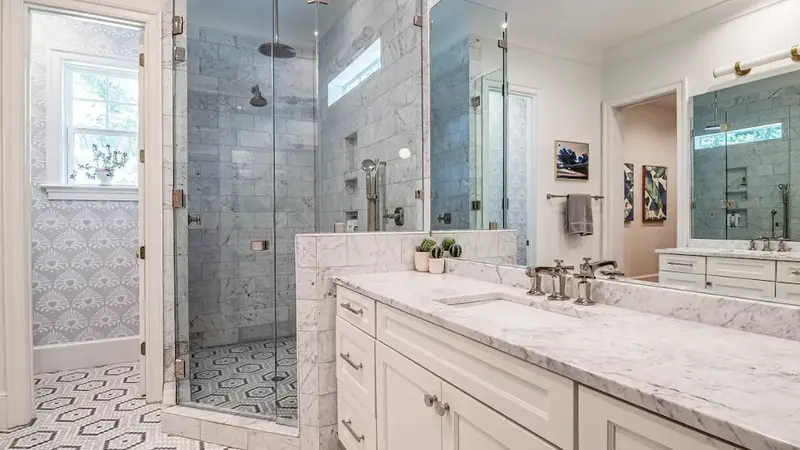
Kitchen and bathroom remodeling often involves more plumbing than homeowners initially expect.
Moving a sink, shower, toilet, dishwasher, or other fixture can require changes to water supply and drainage lines.
DecoradHouse notes that plumbing errors made during remodeling may remain hidden until tile, flooring, walls, or cabinets have already been installed.
This makes the rough-in stage particularly important.
Correcting plumbing before finished surfaces are installed is generally easier than opening a completed room later.
When Professional Plumbing Help Makes Sense
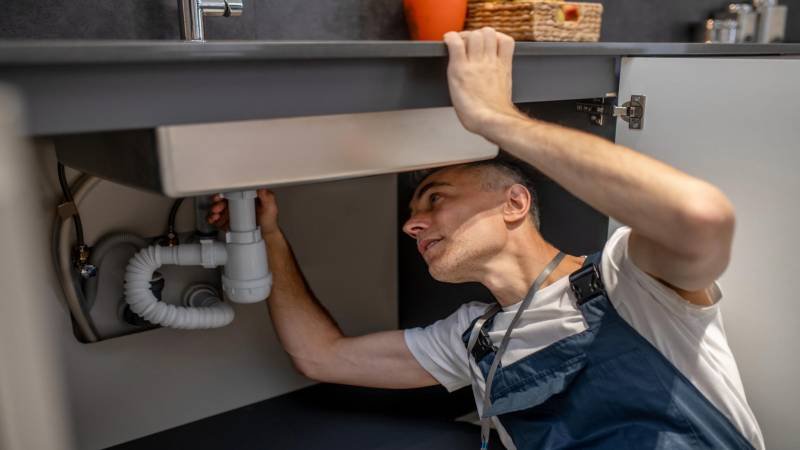
Homeowners can reasonably handle some minor maintenance tasks, but larger problems need appropriate expertise.
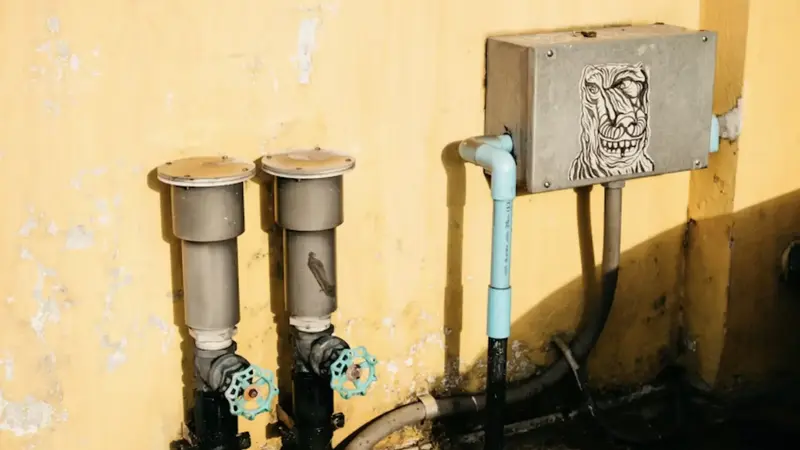
Hidden leaks, sewer issues, significant blockages, burst pipes, water heaters, and modifications to the plumbing system can become expensive when incorrectly handled. DecoradHouse similarly identifies these as situations where professional assistance is generally appropriate.
When a plumbing problem involves hidden pipework, recurring failures, or changes to the home’s water and drainage systems, professional diagnosis can help prevent a small issue from becoming more expensive. Homeowners in the area can contact Delafield Schoenwalder plumbers when they need experienced assistance with residential plumbing work.
A professional can also help determine whether the visible symptom is actually being caused by another part of the plumbing system.
Prevent Plumbing Problems Where Possible
Not every plumbing problem can be prevented, but routine attention can reduce unnecessary failures.
Avoid putting grease and inappropriate materials down drains.
Pay attention to changing water pressure, unusual sounds, slow drains, and unexplained moisture.
Know where the main water shutoff is located.
If a significant leak occurs, being able to stop the water quickly can substantially reduce damage while professional help is arranged.
Homeowners should also consider plumbing condition during major renovation projects rather than simply covering old systems with new finishes. See more.
Frequently Asked Questions
When should I call a plumber for a leak?
Professional help is sensible when the source cannot be identified, the leak is concealed, water cannot be stopped, or pipes need repair or replacement.
Can I fix a slow drain myself?
Simple blockages near the opening may be manageable. Recurring or multiple slow drains can indicate a deeper problem requiring professional diagnosis.
Why has my home’s water pressure suddenly dropped?
Possible causes include supply issues, valves, leaks, pipe problems, or fixture-specific blockages. A sudden whole-house change should be investigated.
Is a running toilet a serious problem?
It may not cause immediate damage, but it can waste considerable water and indicate worn or malfunctioning internal components.
Should a plumber be involved in a bathroom renovation?
Professional plumbing assistance is advisable when water or drainage lines need to be relocated or substantial plumbing changes are required.
How can I tell whether I have a hidden leak?
Look for damp patches, stains, peeling finishes, musty odors, unexplained water use, or changes in water pressure.
What should I do if a pipe bursts?
Shut off the water supply when it is safe to do so and arrange professional assistance. Move belongings away from the affected area where possible.
Can plumbing problems damage a renovated home?
Yes. Leaks behind finished walls, tile, cabinets, or flooring can cause substantial damage, which is why plumbing should be properly addressed during renovation work.