
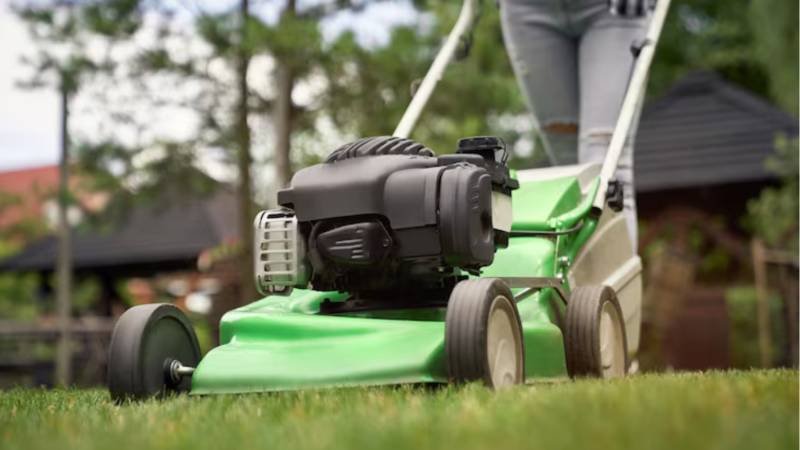
Mowing large lawns takes time, especially when using traditional walk-behind mowers or small ride-on models. If you are looking to reduce effort while increasing cutting precision, then zero-turn lawn mowers may offer the right balance of speed, comfort, and control.
Their unique steering system makes sharp turns feel effortless, even in tight corners or around obstacles. It is also essential to know what distinguishes them from regular mowers and what features are most critical before investing.
This guide takes you through the fundamentals, the types of mowers available, and the most important factors to help you make the right choice.
Why Choose a Zero Turn Lawn Mower?
Zero-turn lawn mowers are designed to be as manoeuvrable as possible. These machines have two hydrostatic transmissions that operate the rear wheels separately, unlike the front wheels in traditional models that pivot. This allows the mower to rotate in its own tracks, reducing the turnaround time.
They are ideal for properties with winding paths, landscaped features, or tree clusters. If you frequently need to navigate complex patterns, the ease of steering alone can be a deciding factor.
Types of Zero Turn Lawn Mowers
Choosing the right mower depends on your yard size, terrain and how often you plan to mow. Each type suits a different kind of use.
● Residential Zero Turn Mowers
These are built for standard home use. They feature smaller cutting decks and modest horsepower engines. Most models are fitted with padded high-back seats, ergonomic controls, and smooth steering levers.
Residential models are ideal for flat lawns or small slopes. If your yard is under two acres, this type usually offers the right blend of affordability and performance.
● Semi-Commercial Zero Turn Mowers
A step up in durability, these mowers have reinforced frames, better suspension and longer-lasting blades. Many include upgraded deck materials, such as fabricated steel, along with faster mowing speeds. They are suited for homeowners who mow frequently or for small landscaping businesses.
● Commercial Zero Turn Mowers
These are designed for daily use in large-scale spaces such as golf courses, commercial properties, or estate grounds. They have expansive cutting decks that exceed 60 inches and engines with high torque output. Safety features such as rollover protection systems and vibration-dampening seats are usually standard.
Their speed, fuel capacity and blade sharpness deliver clean results even in harsh mowing conditions.
What to Look for in Zero Turn Mowers?
Buying a mower is not just about the deck size or the price. The performance depends on how well the design fits your specific needs.
● Cutting Deck Width
Deck width determines how much grass the mower cuts in one pass. For lawns under one acre, a 42-inch deck may suffice. For larger properties, consider models with 50-inch or 60-inch decks.
More expansive decks finish the job faster, but may be harder to store or manoeuvre through gates and narrow spaces.
● Engine Power
The more powerful engine is measured in horsepower, which implies it can handle thick grass and hilly terrain more effectively. Residential mowers usually have engines ranging from 15 to 25 horsepower. Business ones are far better than those for achieving the same results under pressure.
● Comfort and Ergonomics
Spending 30 minutes or more on a mower means your seating and controls should feel comfortable. Look for suspension seats, padded armrests and vibration control features. Adjustable levers and intuitive layouts make mowing less tiring and more efficient.
● Ease of Maintenance
There are also zero-turn mowers with convenient access to lubricate the oil, sharpen the blade, or clean the deck beneath the blade. Select models that have tool-free access to essential components. The long-term performance is based on the ability to sustain the lawn mower parts over the years.
Additional Features That May Help
Certain mowers come with upgrades that may enhance usability or reduce effort.
● Mulching Kits
These allow grass clippings to be re-cut into fine pieces and redistributed onto the lawn. This helps in nourishing the soil naturally.
● Bagging Systems
Some mowers also permit grass to be bagged as you cut, so that you can have a clean lawn. This saves the raking up afterwards.
● Headlights and Hour Meters
Other models have front lights installed to improve their visibility during late mowing. Hour meters record time of use,which is used in maintenance schedules.
Conclusion
Zero-turn lawn mowers provide accurate steering, a wide range of deck options, and time efficiency across all types of outdoor landscapes. No matter how small your backyard is, or how large your estate is, the appropriate mower can transform your lawn maintenance routine.
Before choosing one, focus on terrain type, engine size, and maintenance access. Make sure your decision balances function with comfort and long-term support for your lawn mower parts. When selected carefully, a zero-turn mower adds lasting value to your outdoor routine. See more.

